

Space Power Beaming: A New Era in Joint Force Operations
The days when military operations depended solely on fuel convoys and bulky batteries are fading fast. Wireless power beaming, especially the Space Power Beaming technology from PowerLight Technologies, changes how joint force operations receive energy in the field. This breakthrough reduces logistical challenges and boosts how military assets perform in remote areas. Keep reading to see how this military technology could reshape the battlefield and strengthen national security.
Advancements in Space Power Beaming
Power beaming technology has moved from science fiction to battlefield reality in just a few years. These systems now deliver practical energy solutions that military planners can count on.
PowerLight Technologies’ Breakthrough
PowerLight Technologies has created a game-changing system that sends power across long distances without wires. The company was recently selected by CENTCOM to deliver a prototype wireless power beaming system for Group 2 UAS (unmanned aircraft systems) in 2025.
This selection marks a turning point for battlefield power supply. The technology allows drones and other systems to stay powered without landing for battery changes or refueling.
PowerLight’s system can beam power to equipment up to 1 kilometer away in its current form. The company has shown this works in real-world conditions, not just lab settings.
Their breakthrough came after years of testing with military partners. The system passed rigorous field tests that proved it could work in dust, rain, and challenging battlefield conditions.
How Space Power Beaming Works
Space Power Beaming uses focused light energy to transfer power over distance. A laser “transmitter” creates a high-intensity light beam that travels to a receiver on the target device.
The process starts with electricity generation at a base station. This power runs through the laser system, creating a concentrated beam of light. When this beam hits a specialized receiver on the target device, it converts back to electricity.
Think of it like invisible power cables stretching through the air. The beam can pass through most weather conditions with minimal power loss. The system includes safety features that shut down the beam if anything crosses its path.
PowerLight’s laser power beaming technology works with existing military equipment after minor modifications. This compatibility makes adoption simpler for military units already in the field.
Benefits of Wireless Power Transfer
Wireless power transfer cuts the cord on energy limitations in the field. Military units gain freedom from heavy batteries and fuel transport, allowing them to move faster and stay longer in position.
The most immediate benefit is extended mission time. Drones that once needed to return for charging every 30 minutes can now operate for hours or even days. This continuous operation creates new tactical possibilities for reconnaissance and communications.
Power beaming also reduces the weight soldiers carry. A single wireless power transmitter can support multiple devices, eliminating pounds of spare batteries from each soldier’s pack.
Field testing shows up to 80% reduction in battery-related logistics. This means fewer supply convoys, which are often targets for enemy attacks. The DARPA program supporting this technology has already set distance records for power beaming.
Strategic Implications for Joint Force Operations

These power systems create new options for military planners. The ability to deliver energy anywhere changes basic assumptions about what forces can do and where they can operate.
Enhancing Military Asset Capabilities
Military assets gain dramatic performance improvements with constant power access. Drones can stay airborne for days instead of hours, changing how commanders use these tools.
Small reconnaissance teams can deploy sensors that run indefinitely. This persistent surveillance creates better battlefield awareness without risking personnel. Teams can monitor larger areas with fewer people.
Communication systems benefit greatly too. Radio repeaters powered by wireless beams can create networks in areas without infrastructure. These networks stay online longer and cover more ground than traditional battery-powered systems.
The most exciting changes come for frontline units. They can carry less weight and move faster while maintaining full electronic capabilities. A squad with access to wireless power can bring tools that would otherwise be too power-hungry for field use.
Overcoming Logistical Challenges
Fuel and power create massive logistical burdens in military operations. Studies show up to 70% of convoy weight in recent conflicts was fuel-related.
Wireless power beaming slashes this burden dramatically. A single power station can support multiple units across a wide area. This means fewer trucks, fewer vulnerable supply lines, and less risk to personnel.
Remote bases gain particular advantages. Places that once required constant resupply can now operate with minimal logistics support. This independence creates new strategic options in contested areas.
The technology also works with existing power generation. Military bases can use their current generators or solar arrays as the power source for beaming systems, making adoption straightforward.
Strengthening National Security
National security improves when forces can operate independently for longer periods. Wireless power creates this independence by reducing the need for constant resupply.
The technology makes forces less predictable to adversaries. When units don’t need regular fuel or battery deliveries, their movements become harder to track. This unpredictability is a powerful tactical advantage.
Critical infrastructure gains protection too. Power beaming can provide emergency power to essential systems during crises. This capability helps maintain communications and defensive systems even when normal power is compromised.
The diplomatic benefits are also significant. Forces that need less logistical support can deploy faster to crisis zones. This rapid response capability strengthens deterrence and shows commitment to allies.
Future of Military Technology
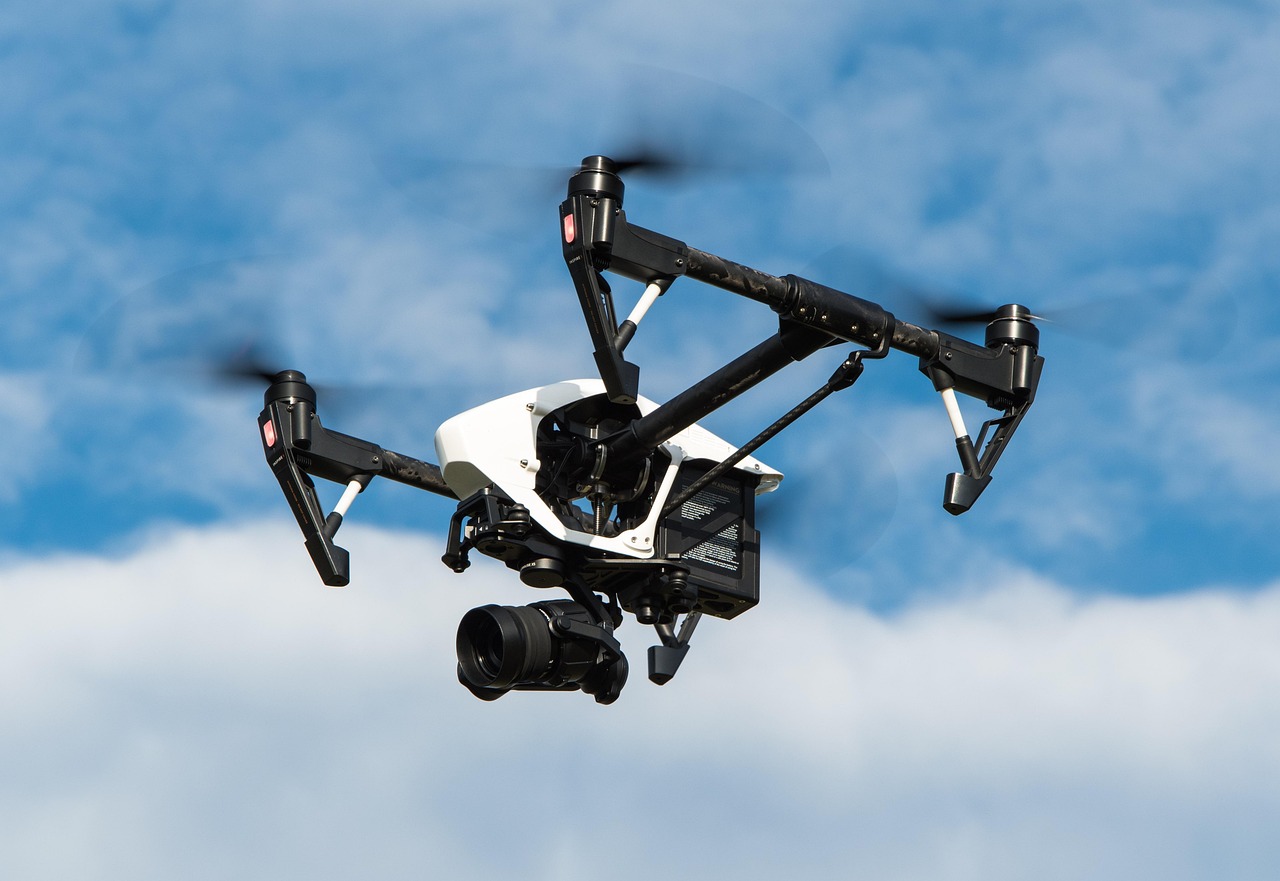
The next five years will see wireless power beaming move from prototype to standard equipment. This shift will change basic assumptions about military operations and capabilities.
Potential Battlefield Advancements
Battlefield tools will change as designers build with wireless power in mind. Expect smaller, lighter equipment that assumes constant power availability.
Swarm technologies become much more practical. Dozens or hundreds of small drones could operate continuously, powered by beams from a central source. These swarms could provide unprecedented surveillance or communication coverage.
Soldier equipment will shrink and gain capabilities. Troops might carry advanced sensors, communication tools, and electronic countermeasures that current batteries can’t support for long missions.
Medical evacuation could improve through powered stretchers and monitoring equipment that works throughout transport. This continuous care could save lives that would be lost during power gaps.
The most profound changes might come in autonomous systems. Robots and unmanned vehicles could operate for weeks without returning to base, creating persistent presence in dangerous areas.
Policy and Strategy Considerations
Military planners must update doctrine to account for these new capabilities. Units with wireless power have different operational limits than traditional forces.
Safety protocols need careful development. While the technology includes automatic shutoffs when the beam is interrupted, comprehensive safety standards must be established before widespread deployment.
Training programs will need updates to teach personnel how to best use these systems. The tactical possibilities are different enough to require new thinking at all levels.
International agreements might need review as well. Some existing treaties didn’t anticipate wireless power technology and might create unintended restrictions.
The greatest strategic question is how to maintain the advantage. As with any military technology, competitors will develop similar systems. The U.S. must continue advancing the technology to stay ahead in this crucial area.
BriTech Group, Inc.
BriTech Group is instrumental in connecting skilled engineers with leading companies in the field of advanced technology innovations. Our expertise effectively bridges the gap between technical talent supply and demand, fostering an environment rich in growth and creativity. For more about our focus on pioneering technology and innovation, check out this article. To explore our services further, visit Britech Group