

Telemedicine and Virtual Hospitals: The Future of Personalized Healthcare at Home
Telemedicine used to mean simple video chats with your doctor. Now, it’s evolving into virtual hospitals that monitor your health around the clock using wearable technology and AI in healthcare. This shift means your care can be fully personalized and managed right from home, improving chronic disease management while making healthcare more accessible. Let’s explore how remote patient monitoring and patient care integration are changing the way we stay healthy. For more information on the evolution of telehealth services, see this comprehensive research article.
The Evolution of Telemedicine
Beyond Video Consultations
AI-powered tools now analyze health data continuously, allowing for early intervention before conditions worsen. Remote patient monitoring systems connect directly to electronic health records, creating a comprehensive view of patient health that was impossible just a few years ago.
Virtual Hospitals: A New Healthcare Model
24/7 Clinical Oversight
Virtual hospitals represent a complete shift in how healthcare is delivered. Unlike traditional telemedicine that focuses on occasional consultations, these digital care centers provide constant clinical oversight through a combination of:
Continuous data collection via wearable health technology
Real-time analysis of vital signs and symptoms
Proactive interventions based on predictive analytics
Regular virtual check-ins with specialized care teams
The Technology Infrastructure
The foundation of virtual hospitals relies on several key technological components:
Advanced biosensors that track multiple health parameters
Secure cloud platforms that store and process patient data
AI in healthcare algorithms that detect subtle changes in condition
Integrated communication systems connecting patients with care teams
Benefits for Chronic Disease Management
Patients with ongoing health conditions benefit substantially from virtual hospital models. The continuous monitoring allows for:
Medication adjustments based on real-time physiological responses
Early detection of complications or deterioration
Personalized treatment plans that adapt to changing health status
Reduced need for emergency room visits and hospitalizations
Research shows that remote monitoring programs for conditions like heart failure, diabetes, and COPD can reduce hospital readmissions by up to 50% while improving quality of life for patients.
Improving Healthcare Accessibility
Virtual hospitals break down traditional barriers to quality healthcare:
Geographic limitations become irrelevant as specialists can monitor patients anywhere
Transportation challenges no longer prevent consistent care
Rural communities gain access to expertise typically found only in major medical centers
Patients with mobility issues receive comprehensive care without leaving home
Challenges and Considerations
Despite the promise, several hurdles remain:
Digital literacy varies among patient populations
Insurance coverage and reimbursement policies are still catching up
Data security and privacy concerns require robust safeguards
The digital divide may create new healthcare disparities if not addressed
Patient Care Integration: Bridging Virtual and Physical Care
The most effective virtual hospital models don’t exist in isolation. They function as part of an integrated care ecosystem that includes:
Seamless transitions between virtual and in-person care when needed
Coordination with local healthcare providers for physical examinations
Emergency response protocols for situations requiring immediate intervention
Home-based diagnostic capabilities that complement remote monitoring
The Future Outlook
As technology advances, we can expect virtual hospitals to become increasingly sophisticated:
AI capabilities will improve predictive accuracy for patient outcomes
Wearable health technology will become more comfortable and unobtrusive
Remote diagnostic tools will expand the range of conditions that can be managed virtually
Patient care integration will become more fluid between virtual and traditional settings
Preparing for a Virtual Healthcare Future
Healthcare professionals, patients, and policy makers all have roles to play in this transition:
Clinicians need training in remote monitoring interpretation and virtual care delivery
Patients benefit from education about using health technologies effectively
Policy makers must address regulatory frameworks to ensure quality and accessibility
Health systems should invest in technology infrastructure that supports virtual care models
The shift toward virtual hospitals represents not just a technological advancement but a fundamental rethinking of healthcare delivery. By bringing comprehensive care into the home through remote patient monitoring and AI-enhanced oversight, these models promise to make healthcare more personalized, accessible, and effective than ever before.
For more information on the future of virtual health, visit Deloitte’s insights on virtual health or HIMSS resources on telemedicine.
Evolution of Telemedicine
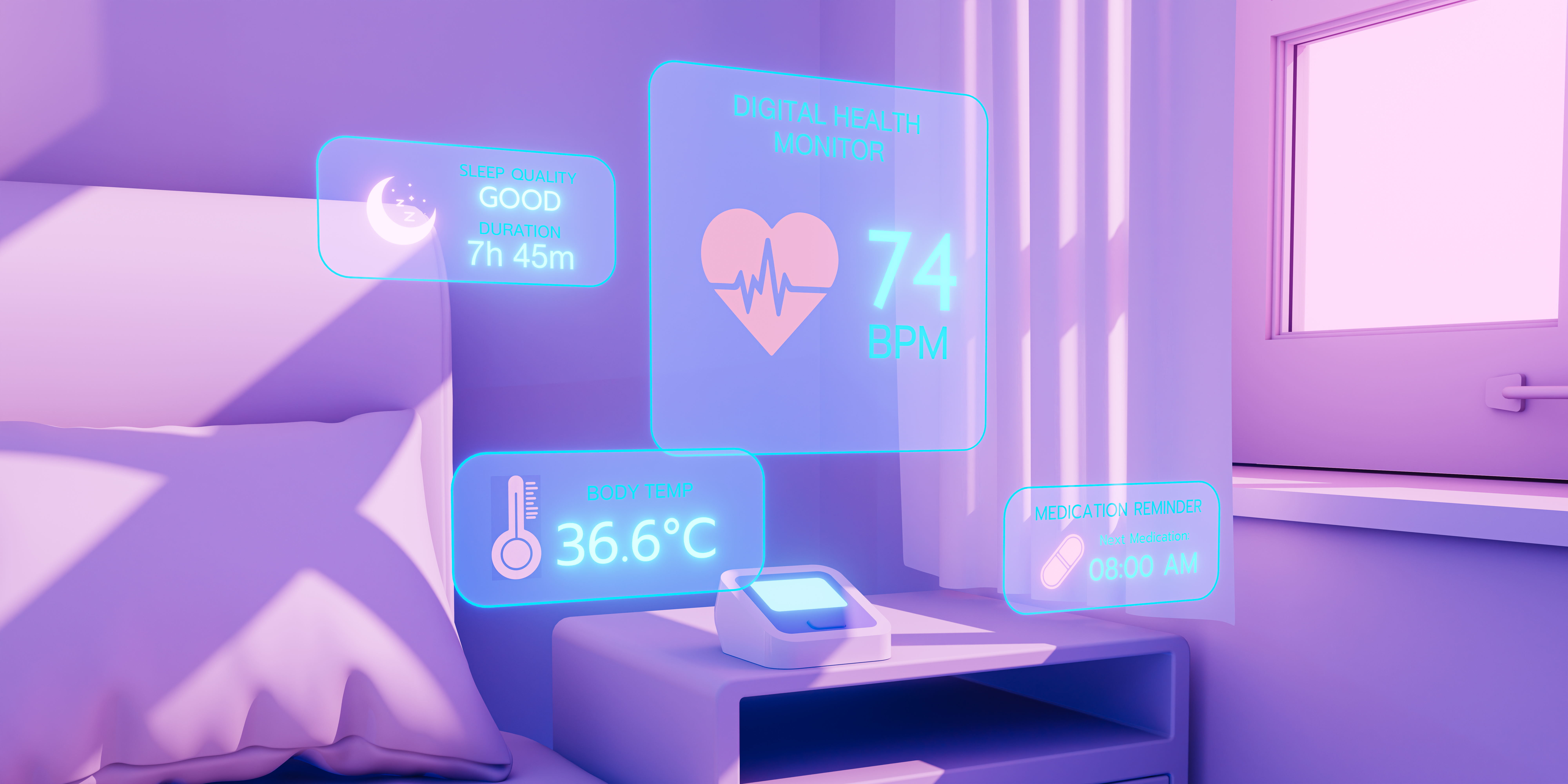
What began as simple video calls with doctors has grown into a complete care system that follows you everywhere. This shift marks just the beginning of how telemedicine is reshaping healthcare delivery for millions.
Beyond Video Calls
The first wave of telemedicine focused on basic video consultations. Today’s systems go much deeper into your health management.
Modern telemedicine platforms connect with your smart devices, track your health patterns, and spot potential issues before they become serious. Your doctor can now see not just your face during a scheduled call, but also review weeks of sleep data, heart rate patterns, and activity levels.
This expanded view gives medical teams a more complete picture of your health than occasional office visits ever could. For patients with ongoing health concerns, this means fewer surprises and more personalized care based on your actual daily life.
The impact goes beyond convenience. According to research in Nature Digital Medicine, expanded telemedicine services lead to earlier interventions and better health outcomes across multiple conditions.
AI-Driven Care Coordination
Smart systems now work behind the scenes to connect all parts of your healthcare experience. This marks a major improvement over fragmented care.
AI tools analyze your health data from multiple sources—appointment notes, lab results, medication lists, and home monitoring devices. These systems flag potential medication interactions, track treatment progress, and even predict when you might need additional support.
For example, an AI system might notice that your blood pressure readings are gradually rising while your activity levels are dropping. It alerts your care team before these subtle changes become a crisis.
The real magic happens when these systems learn your personal health patterns. What’s normal for you might be different from standard medical ranges. AI in healthcare recognizes these individual differences and customizes alerts based on your unique baseline.
This personalized approach helps avoid false alarms while catching truly concerning changes that might be missed in traditional care models.
Continuous Remote Monitoring
Your health doesn’t operate on a 9-to-5 schedule, and now your healthcare doesn’t have to either. Round-the-clock monitoring creates a safety net that travels with you.
Remote patient monitoring systems track vital signs, movement patterns, sleep quality, and even environmental factors that might affect your health. This constant stream of information helps identify problems early—often before you notice symptoms.
For people managing chronic conditions, this continuous oversight provides peace of mind. If your heart rhythm changes or your glucose levels spike, your care team knows immediately.
The technology works quietly in the background of your life. Most patients report forgetting they’re being monitored after the first few days. Yet this invisible safety net can mean the difference between a minor adjustment to your care plan and a hospital admission.
Medical teams can set personalized alert thresholds based on your specific health needs, ensuring you get attention when you need it without unnecessary interruptions.
Virtual Hospitals at Home
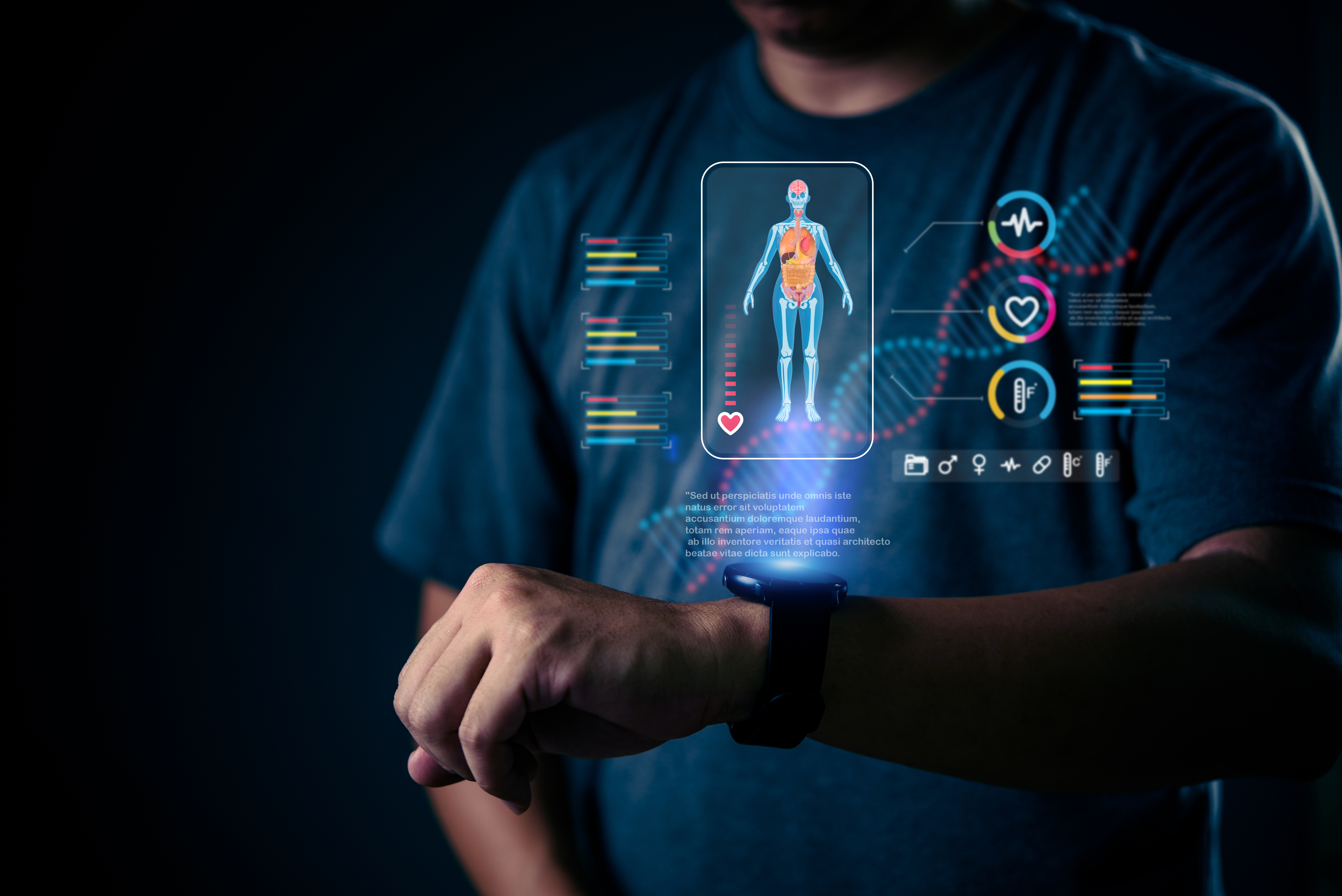
The walls of hospitals are expanding beyond brick and mortar into your living room. This new model brings clinical expertise directly to you through technology.
Comprehensive Clinical Ecosystems
Virtual hospitals create complete care environments that surround you with medical expertise without requiring you to leave home.
These systems combine multiple technologies into a single coordinated care experience. Your vital signs, medication schedule, symptom reports, and communication with your care team all flow through one central hub.
The virtual hospital doesn’t replace physical facilities but extends their reach. A nurse monitoring your data from a central location can spot concerning trends and connect you with the right specialist within minutes.
For patients recovering from surgery or managing complex conditions, this approach offers hospital-level oversight without the disruption and risks of facility stays. Your bedroom becomes a monitored care space, yet you maintain your normal routine and comfort.
The psychological benefits are significant too. Patients heal better in familiar surroundings with family nearby. Virtual hospitals make this possible even for conditions that once required extended inpatient stays.
Real-Time Data Analytics
Your health information becomes immediately useful when smart systems process it as it happens. This speed transforms how quickly your care can adapt to your needs.
Modern analytics platforms don’t just collect your health data—they interpret it instantly. These systems compare your current readings against your personal history, similar patient outcomes, and medical guidelines to spot meaningful patterns.
When your oxygen levels dip slightly during sleep, the system checks if this matches your usual pattern. If it represents a change, your care team receives an alert with context about other related measurements.
This real-time processing means your treatment plan can be adjusted promptly based on how your body responds. If a medication isn’t working as expected, your doctor knows within days rather than waiting for your next appointment.
The power of these analytics grows over time as they learn more about your specific health patterns. What might trigger an alert for another patient might be normal for you—and the system adapts accordingly.
Wearable Health Technology
Small, comfortable devices now track complex health metrics around the clock. These tools bring medical-grade monitoring into everyday life.
Today’s wearable health technology goes far beyond counting steps. Advanced sensors track heart rhythms, blood oxygen, sleep patterns, body temperature, and even stress indicators through skin conductance.
The latest devices are designed to be forgotten once placed. Adhesive patches, smart clothing, and unobtrusive wristbands collect data without disrupting your daily activities. Many patients report they stop noticing them after the first day.
For people managing heart conditions, diabetes, or respiratory issues, these devices offer an extra layer of security. Your medical team can spot subtle changes that might indicate a flare-up or complication before symptoms become obvious.
The integration between devices creates a comprehensive picture. Your smart scale, blood pressure cuff, and activity tracker all feed data into the same system, giving your care team a complete view of your health status.
Enhancing Patient Outcomes
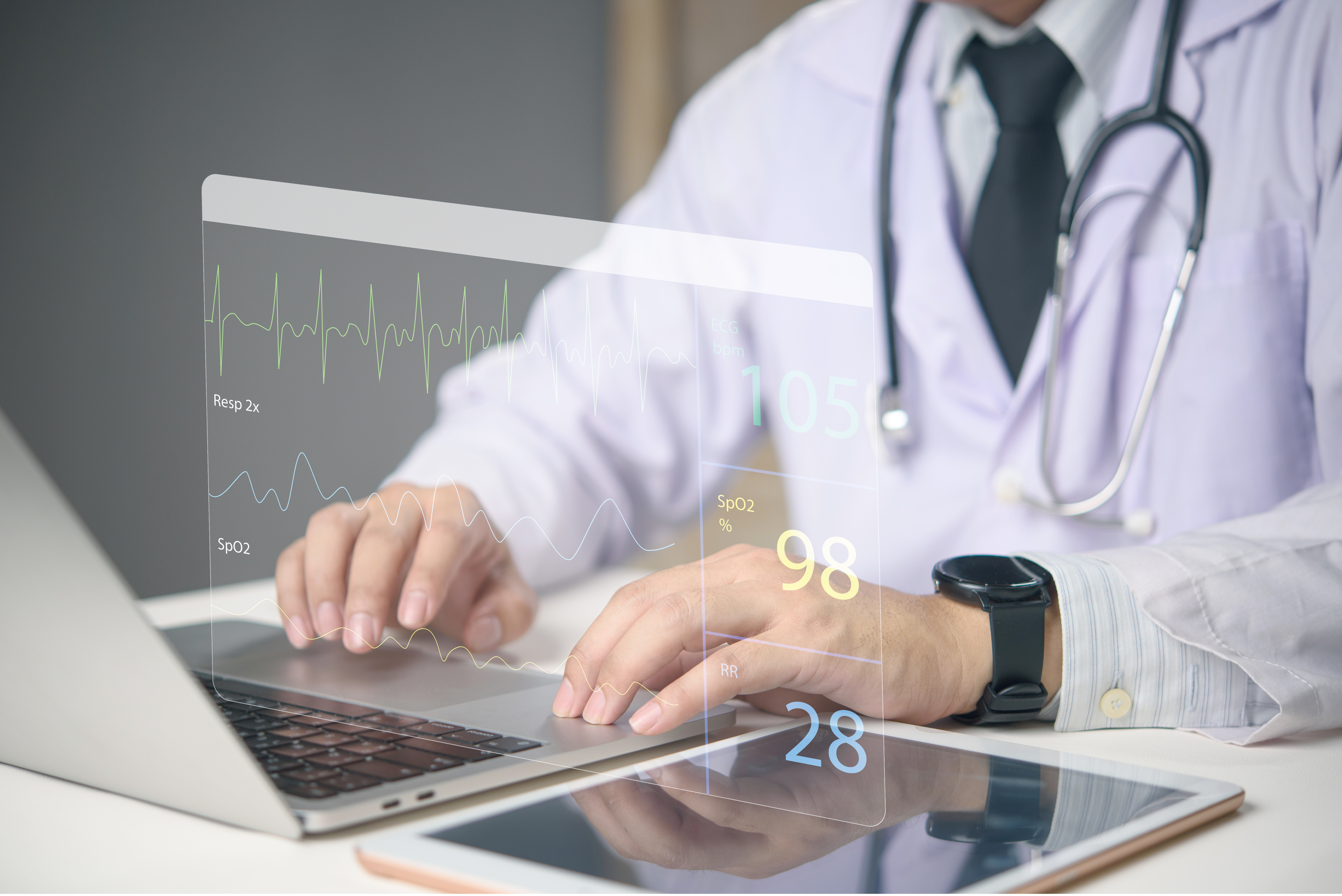
The ultimate goal of these technological advances is simple: helping you stay healthier. The results show this approach works for many common health challenges.
Chronic Disease Management
Managing ongoing health conditions becomes more precise and less disruptive with virtual care models that adapt to your daily life.
For diabetes patients, continuous glucose monitors paired with virtual care teams help maintain steadier blood sugar levels. The system learns individual patterns—how your body responds to specific foods, activities, and stressors—allowing for personalized guidance rather than generic advice.
Heart failure management shows similar benefits. Daily weight and blood pressure measurements, combined with symptom reporting, help detect fluid retention early. This early warning often prevents hospital admissions through prompt medication adjustments.
COPD patients benefit from oxygen saturation monitoring and activity tracking. When breathing becomes more difficult, the system notices changes in movement patterns and oxygen levels before the patient might recognize the gradual shift.
The psychological impact is significant too. Knowing a care team is watching your health data provides reassurance that small changes won’t become major problems. This confidence often leads to better self-management and reduced anxiety.
Healthcare Accessibility
Breaking down barriers to quality care stands as one of the greatest achievements of virtual hospital models. Good healthcare now reaches more people.
Geographic limitations disappear when specialized care comes to you digitally. Patients in rural areas can access experts who might be hundreds of miles away. The cardiologist monitoring your heart rhythm or the neurologist tracking your Parkinson’s symptoms can be based anywhere while providing consistent care.
Physical mobility challenges no longer prevent regular medical oversight. For elderly patients or those with disabilities, virtual hospitals eliminate the exhausting process of traveling to appointments. Care comes to them instead.
Economic barriers shrink too. Virtual models often cost less than traditional care while reducing transportation expenses and time off work. This makes consistent healthcare more feasible for people across income levels.
Language and cultural barriers can be addressed more effectively. Virtual platforms can match patients with providers who speak their language or understand their cultural context, regardless of location.
Proactive Patient Care
Waiting until you’re sick to seek treatment becomes outdated when systems can spot problems before symptoms appear. This shift from reactive to proactive care saves lives.
Predictive analytics identify subtle patterns that precede health events. For example, slight changes in heart rate variability, sleep patterns, and activity levels often occur days before a cardiac event. Virtual hospitals can detect these warning signs and intervene.
Medication management becomes more precise through continuous monitoring. If your blood pressure medication isn’t working as expected, your doctor knows within days rather than waiting for your next scheduled appointment.
Seasonal and environmental triggers can be anticipated and addressed. The system might notice that your asthma symptoms worsen when pollen counts rise or when you sleep with the window open. This allows for preventive adjustments before you experience breathing difficulties.
Behavioral health support becomes more timely too. Changes in sleep patterns, activity levels, or communication can signal depression or anxiety flares. Early intervention often prevents serious episodes.
This proactive approach represents a fundamental shift in healthcare delivery—from treating illness to maintaining wellness. The goal becomes keeping you healthy rather than just responding when you’re sick.
BriTech Group, Inc.
BriTech Group excels in connecting skilled engineers, management, and C-level executives with leading companies at the forefront of cutting-edge technology and innovation. Our expertise bridges the gap between the demand and supply of high-caliber technical personnel, promoting a dynamic environment for growth and advancement. To learn more about our focus on pioneering technology and innovation, check out this article. For more information about our services, visit Britech Group