

Exploring the Depths: The Rise of Underground Data Centers for Secure and Efficient Storage
In an era where data is as valuable as gold, the quest for secure and efficient data storage solutions has led to an intriguing innovation: underground data centers. These expansive subterranean facilities, often transformed from abandoned mines or military bunkers, offer a unique blend of data security and energy efficiency. By harnessing the natural insulation and protection against natural disasters provided by their underground locations, these data centers are fast becoming the preferred choice for organizations worldwide. This article will explore how these secure, energy-efficient data centers are shaping the future of data storage, offering insights for IT professionals, tech enthusiasts, and organizations looking to enhance their data management strategies. For more information on the benefits and challenges of underground data centers, you can visit this comprehensive guide.
Unique Characteristics of Underground Data Centers
Underground data centers possess distinct features that set them apart from traditional above-ground facilities. These unique characteristics contribute to their growing popularity and effectiveness in the data storage industry.
Repurposed Mines and Bunkers
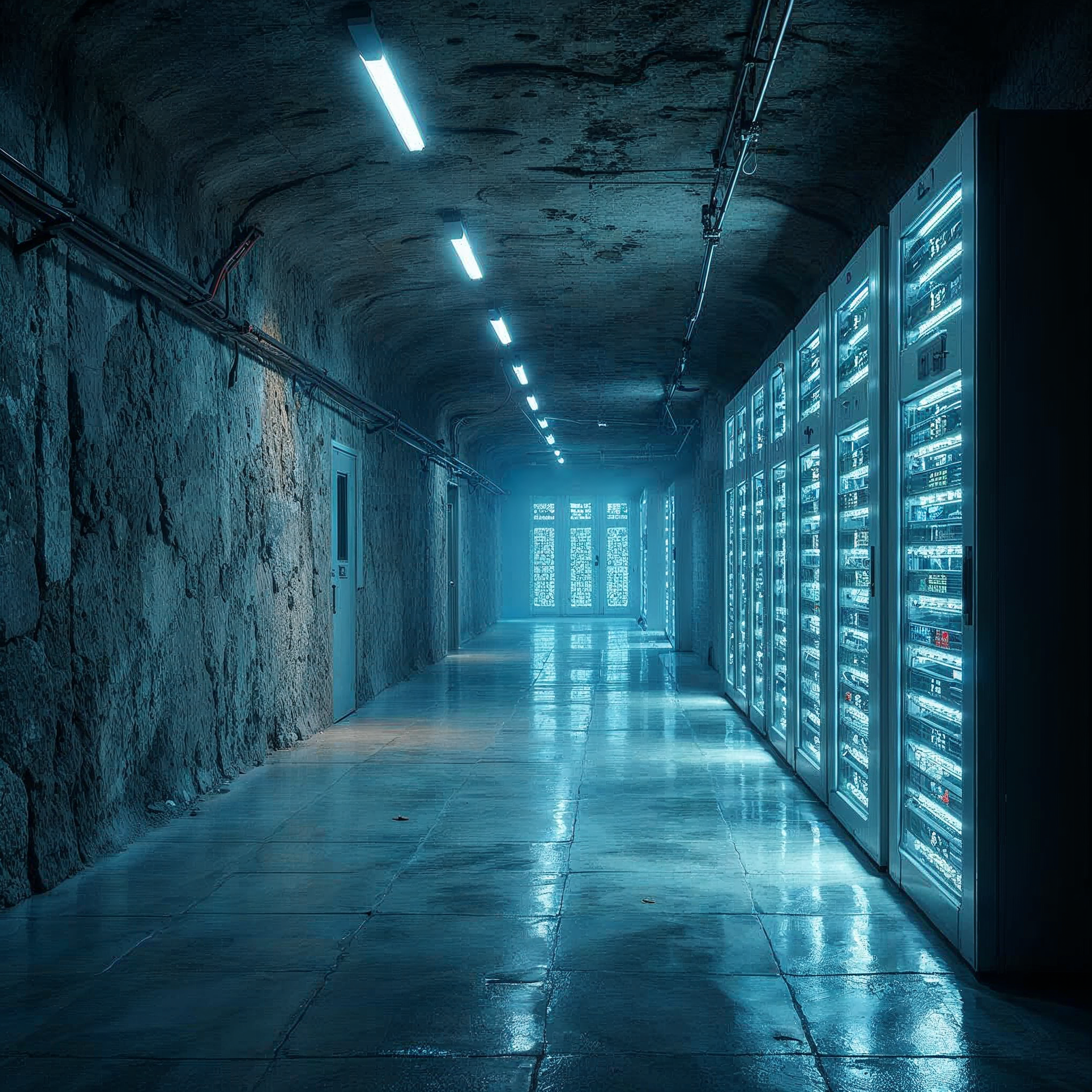
Underground data centers often find their homes in repurposed mines and military bunkers. These structures provide a ready-made foundation for secure data storage facilities.
Former mines, with their vast underground spaces, offer an ideal environment for data center conversion. The existing infrastructure can be adapted to house servers and cooling systems efficiently.
Military bunkers, designed to withstand attacks, provide robust security features. Their thick walls and reinforced structures offer natural protection for sensitive data and equipment.
Subterranean Spaces Global reports that these repurposed facilities can significantly reduce construction costs and time compared to building new underground structures.
Size and Scale of Facilities
Underground data centers can reach impressive dimensions, rivaling the size of major cities in terms of floor space. This vast scale allows for extensive data storage capabilities.
Some underground facilities boast floor areas comparable to multiple football fields. This immense space enables the installation of numerous server racks and supporting infrastructure.
The vertical nature of many underground spaces, such as mine shafts, allows for efficient use of space. Multi-level designs can maximize storage capacity within a smaller footprint.
Large-scale underground data centers can house millions of servers, providing ample room for future expansion as data storage needs grow.
Subterranean Location Benefits
The underground location of these data centers offers several inherent advantages that contribute to their effectiveness and efficiency.
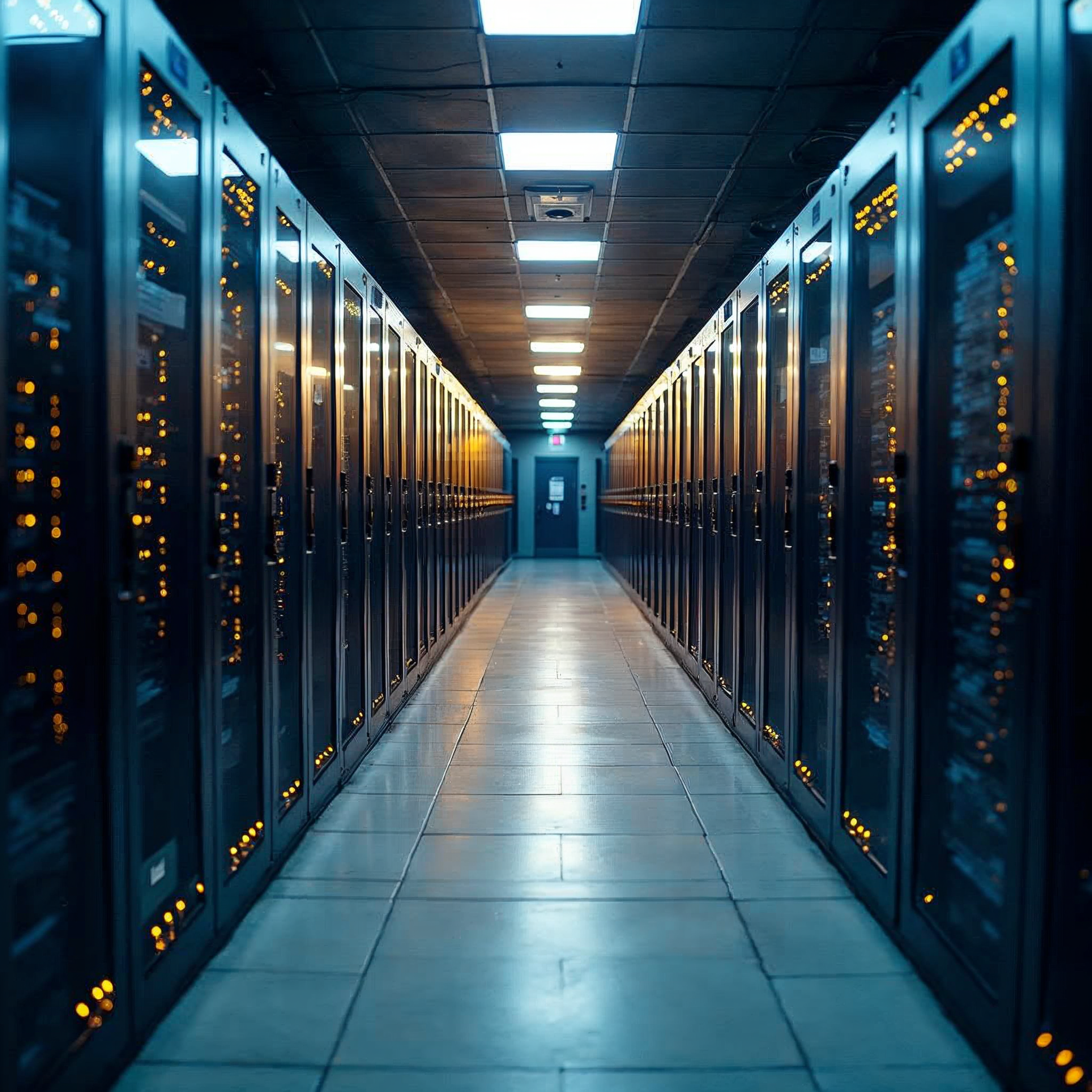
Natural temperature regulation is a key benefit. The earth’s constant temperature helps maintain optimal conditions for servers, reducing cooling costs.
Underground facilities are less susceptible to external environmental factors. This isolation can lead to more stable and predictable operating conditions.
The concealed nature of these facilities provides an added layer of physical security. Their locations are often less conspicuous than traditional above-ground data centers.
Data Center Knowledge highlights that subterranean locations can also offer protection from electromagnetic pulses (EMPs) and other potential threats.
Advantages of Subterranean Facilities
Underground data centers offer a range of benefits that make them increasingly attractive for organizations seeking secure and efficient data storage solutions. These advantages span from enhanced security to cost savings.
Enhanced Data Security
Underground data centers provide superior physical security compared to their above-ground counterparts. This enhanced protection is crucial in an era of increasing cyber threats and data breaches.
The natural barriers of rock and earth surrounding these facilities create a formidable defense against unauthorized access. This physical isolation makes it challenging for potential intruders to gain entry.
Many underground data centers incorporate advanced security measures. These may include biometric access controls, surveillance systems, and secure airlock entrances.
The discrete nature of underground facilities adds another layer of security. Their locations are often less publicized and harder to identify than traditional data centers.
Security protocols in these facilities often exceed industry standards, providing peace of mind for organizations storing sensitive data.
Natural Disaster Protection
Underground data centers offer superior protection against natural disasters, a critical factor in ensuring data continuity and reliability.
Subterranean locations provide inherent protection against severe weather events such as hurricanes, tornadoes, and floods. The earth’s natural shielding minimizes the impact of these disasters.
Seismic stability is another advantage of many underground facilities. Proper engineering can make these data centers more resilient to earthquakes than surface structures.
The risk of fire damage is often reduced in underground environments. The lack of oxygen and use of inert gas fire suppression systems can quickly contain potential fires.
Government Technology reports that this natural disaster protection is a key factor driving the adoption of underground data centers by government agencies and critical infrastructure providers.
Energy Efficiency and Cost Savings
Underground data centers can achieve significant energy efficiency, leading to substantial cost savings for operators and clients.
The constant temperature of the earth reduces the need for artificial cooling. This natural temperature regulation can lead to energy savings of up to 50% compared to above-ground facilities.
Geothermal cooling systems are often employed in these facilities. These systems use the earth’s stable temperature to cool servers more efficiently than traditional air conditioning.
The reduced reliance on artificial cooling also leads to lower maintenance costs. Fewer mechanical systems mean less wear and tear and reduced maintenance requirements.
Some underground data centers utilize renewable energy sources more effectively. Their locations can facilitate the use of hydroelectric power or other sustainable energy options.
Future of Underground Data Storage
The future of underground data storage looks promising, with increasing adoption and ongoing technological advancements. This section explores the trends shaping the future of these subterranean facilities.
Growing Popularity and Demand
Underground data centers are experiencing a surge in popularity as organizations recognize their unique benefits. This growing demand is reshaping the data storage landscape.
Major tech companies are investing in underground facilities. Their endorsement is driving wider acceptance and adoption of this storage solution.
Government agencies are increasingly turning to underground data centers. The enhanced security and disaster protection align with their stringent data storage requirements.
Financial institutions and healthcare providers are also showing increased interest. These sectors value the added security and reliability offered by underground facilities.
Industry analysts predict continued growth in the underground data center market. This trend is expected to accelerate as data storage needs continue to expand globally.
Technological Advancements and Trends
The field of underground data storage is witnessing rapid technological advancements. These innovations are enhancing the capabilities and efficiency of subterranean facilities.
Artificial Intelligence (AI) is being integrated into underground data center management. AI systems can optimize cooling, power usage, and overall facility operations.
Edge computing is finding a natural home in underground facilities. Their distributed nature aligns well with the requirements of edge computing networks.
Advanced cooling technologies are being developed specifically for underground environments. These systems leverage natural geological features to enhance efficiency.
Modular design concepts are being applied to underground data centers. This approach allows for scalable and flexible expansion of storage capabilities.
Environmental Impact and Sustainability
Underground data centers are playing a crucial role in the push for more sustainable IT infrastructure. Their unique characteristics contribute to reduced environmental impact.
The energy efficiency of underground facilities translates to a smaller carbon footprint. Reduced power consumption for cooling leads to lower greenhouse gas emissions.
Some underground data centers are pioneering the use of renewable energy sources. Their locations often provide opportunities for hydroelectric or geothermal power generation.
Water conservation is another environmental benefit. Many underground facilities use closed-loop cooling systems that minimize water consumption.
The repurposing of existing underground structures reduces the need for new construction. This approach minimizes the environmental impact associated with building new facilities.
Industry leaders are setting ambitious sustainability goals for underground data centers. These initiatives aim to further reduce the environmental footprint of data storage operations.
Bridging the Gap with BriTech Group
With a track record of over 20 years in technical recruiting, BriTech Group connects top-tier engineering talent with leading companies. Our commitment to excellence and deep industry insights have positioned us as a trusted partner in the fast-evolving tech landscape. Whether you’re looking to hire or seeking new career opportunities, we are here to assist you in navigating the complexities of the tech job market. For more information about our services, visit Britech Group and check out our latest Tech Spotlight blog to stay updated on industry trends and insights.