Harnessing Saltwater Energy: Exploring the Future of Osmotic Power Systems
Forget everything you know about renewable energy sources. Generating clean electricity from the natural difference in saltiness between two water bodies could change how we power our world. Osmotic power systems, using methods like Pressure Retarded Osmosis and Reverse Electrodialysis, tap into this saltwater energy to create sustainable energy with low environmental impact. Let’s explore how this approach turns a simple natural process into a powerful energy solution.
Understanding Osmotic Power
Water wants to balance itself. When fresh water meets salt water, nature creates energy we can capture. This natural balancing act forms the basis of osmotic power—a renewable energy source that works day and night.
Basics of Saltwater Energy
Saltwater energy works because of a simple fact: water moves from areas with less salt to areas with more salt. This movement happens through a process called osmosis.
When fresh water and salt water are separated by a special membrane, water molecules move toward the saltier side. This creates pressure—real, physical force that can spin turbines and make electricity.
The best part? This process happens without adding pollution to our air. Osmotic power works wherever fresh water meets salt water—like where rivers flow into oceans. These meeting points exist all over the world.
Think of it as nature’s battery that never stops charging. Unlike solar panels that need sun or wind turbines that need breeze, osmotic power keeps working 24 hours a day, 365 days a year.
History and Development
The story of osmotic power began in 1975 when scientist Sidney Loeb first suggested we could make electricity from the salt difference in water. His idea was brilliant but ahead of its time—the materials needed simply didn’t exist yet.
For decades, osmotic power remained mostly a theory. Early attempts faced major hurdles: membranes clogged easily, costs ran too high, and systems produced too little power to be worthwhile.
The real breakthrough came in the early 2000s. New materials science gave birth to better membranes that could withstand the pressures involved while allowing more water to pass through. Norway built the world’s first osmotic power plant in 2009 to test these ideas in real-world conditions.
Progress since then has been steady but challenging. Companies and research teams have tested different designs and materials, gradually making osmotic power systems more practical. While still not widely used, today’s technology shows genuine promise for becoming part of our clean energy mix.
Key Technologies in Osmotic Systems
Two main methods stand out in the field of saltwater energy. Each takes a different approach to capturing the power that comes from mixing fresh and salt water.
Pressure Retarded Osmosis Explained
Pressure Retarded Osmosis (PRO) works like a water-driven battery. Fresh water and salt water stay on opposite sides of a semi-permeable membrane—a thin material with tiny holes that let water through but block salt.
The fresh water naturally flows toward the salt water side, building up pressure. This pressure can reach up to 30 bars—that’s like the water pressure 300 meters under the ocean! Engineers can use this pressure to spin turbines, much like in traditional hydropower plants.
The key to PRO is finding the right balance. Apply too much counter-pressure, and water stops flowing. Apply too little, and you waste energy potential. The sweet spot creates maximum power output.
PRO systems work best where large amounts of fresh water meet the ocean—river mouths or estuaries make ideal locations. A good PRO plant needs clean water inputs to prevent membrane damage, which remains one of the biggest practical challenges.
Reverse Electrodialysis Mechanics
Reverse Electrodialysis (RED) takes a completely different approach. Instead of using water pressure, RED captures electricity directly from the movement of salt ions.
The system uses alternating membranes that allow either positive or negative ions to pass through. When salt water and fresh water flow on opposite sides of these membranes, the salt ions move from the saltier side toward the fresher side.
This movement of charged particles creates an electrical current—similar to how batteries work. The more membrane pairs stacked together, the more electricity generated.
RED works well even with water that has particles or impurities, making it more flexible than PRO in some settings. The system can operate with smaller water volumes while still producing useful power.
Research shows RED systems perform particularly well in places with extremely salty water, like where industrial salt processing occurs. The greater the salt difference between the two water sources, the more electricity RED can produce.
Future Potential and Challenges
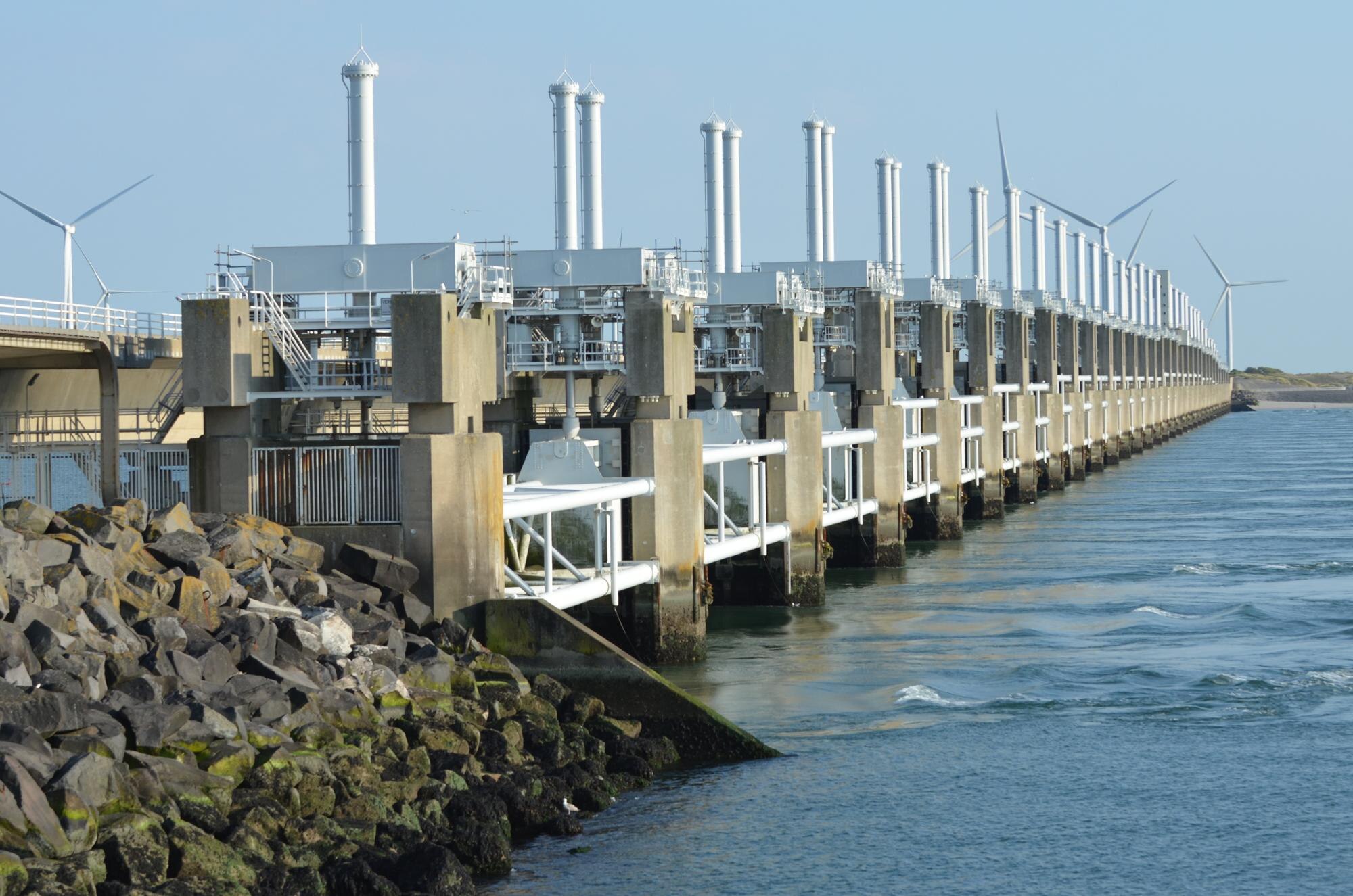
Saltwater energy stands at a crossroads. The science proves it works, but practical hurdles remain before widespread adoption becomes possible.
Environmental Impact and Sustainability
Osmotic power ranks among the cleanest energy sources available today. The process creates no direct air pollution and releases no greenhouse gases during operation.
The physical footprint stays relatively small compared to other renewable energy plants. A medium-sized osmotic power facility needs less land than equivalent solar arrays while producing power consistently regardless of weather conditions.
Water returns to natural systems after use, with minimal changes to its composition. This makes osmotic power particularly attractive for coastal communities concerned about environmental protection.
Fish and marine life face little risk from properly designed systems. Unlike hydroelectric dams that block entire rivers, osmotic power plants can be built with fish-friendly water intakes and careful discharge systems.
The biggest environmental question involves membrane manufacturing and disposal. Current membranes require specialized materials and eventually wear out. Better recycling methods and more sustainable materials could make osmotic power even greener in coming years.
Technological and Economic Barriers
Cost remains the biggest hurdle for saltwater energy. Current membrane technology drives prices up, making electricity from osmotic power more expensive than from wind or solar sources.
Membranes face constant challenges from biofouling—tiny organisms that grow on surfaces and block water flow. Better materials and cleaning systems would dramatically improve performance and reduce maintenance costs.
Energy density presents another challenge. Today’s systems extract only a fraction of the theoretical energy available when fresh and salt water mix. More efficient designs could double or triple power output without using more water.
The right locations matter enormously. Ideal sites need reliable fresh water, access to salt water, and proximity to power grids. Finding places that check all these boxes limits deployment options.
Despite these challenges, research continues at a steady pace. Several promising breakthroughs in membrane technology suggest costs could drop significantly in the next decade. If these advances continue, osmotic power might finally take its place alongside wind, solar, and other mainstream renewable energy sources.
BriTech Group, Inc.
BriTech Group plays a crucial role in linking skilled engineers with top companies at the forefront of cutting-edge technology advancements and other leading innovations. Our expertise bridges the gap between the demand for and supply of skilled technical personnel, creating a dynamic environment for growth and innovation. To learn more about our highlights on pioneering technology and innovation, check out this article. For additional details about our services, visit Britech Group