

Is Technology Reading Our Minds? Exploring the Future of Brain-Computer Interfaces
In an era where technology is advancing at a rapid pace, the concept of technology reading our minds is no longer confined to the realms of science fiction. Recent strides in neuroscience and artificial intelligence have paved the way for brain-computer interfaces (BCIs), offering promising methods to interpret neural signals and translate them into digital commands. This blog post aims to explore how BCI technology could soon enable us to control devices using only our thoughts, highlighting the profound potential it holds for the future of communication and human-computer interaction. Additionally, we will navigate the ethical implications of BCIs, considering the balance between innovation and privacy in this fascinating field. Whether you’re a tech enthusiast or a professional in the industry, join us as we examine the cutting-edge developments at the intersection of AI and neuroscience. For more information on recent advancements in BCI technology, you can refer to this comprehensive study.
Understanding Brain-Computer Interfaces
Brain-Computer Interfaces (BCIs) represent a groundbreaking field where neuroscience meets technology. This section explores the fundamentals of BCI technology, the intricacies of neural signal interpretation, and the reality behind the concept of technology reading minds.
The Basics of BCI Technology
Brain-Computer Interfaces are systems that create a direct communication pathway between the brain and external devices. These interfaces capture brain signals, interpret them, and translate them into commands for computers or other devices.
The core components of a BCI system include signal acquisition, signal processing, and output devices. Signal acquisition involves recording brain activity through various methods such as electroencephalography (EEG) or functional magnetic resonance imaging (fMRI).
Signal processing algorithms then analyze and interpret these signals, extracting relevant features and translating them into meaningful commands. Finally, output devices execute these commands, allowing users to control external systems or communicate through thought alone.
How Neural Signals Interpretation Works
Neural signal interpretation is a complex process that involves decoding the electrical activity of the brain. This process relies on advanced algorithms and machine learning techniques to identify patterns in brain signals.
The first step in neural signal interpretation is preprocessing, where raw brain signals are cleaned and filtered to remove noise and artifacts. Next, feature extraction techniques are applied to identify key characteristics of the signals that correspond to specific thoughts or intentions.
Machine learning models are then trained on these features to recognize patterns associated with different mental states or commands. As research progresses, these models become increasingly sophisticated, allowing for more accurate and nuanced interpretation of neural signals.
Technology Reading Minds: Myth or Reality?
The concept of technology “reading minds” often conjures images from science fiction, but the reality is both more nuanced and grounded in scientific principles. While current BCI technology cannot literally read thoughts, it can interpret certain types of brain activity.
BCIs can detect patterns associated with specific mental tasks or intentions, such as imagining movement or focusing on a particular object. This allows for basic communication and control through thought, but it’s far from true mind reading.
The future may bring more advanced capabilities, but ethical and technological challenges remain. As discussed in this article, the line between myth and reality in mind-reading technology continues to evolve with ongoing research and development.
Ethical Considerations and Implications
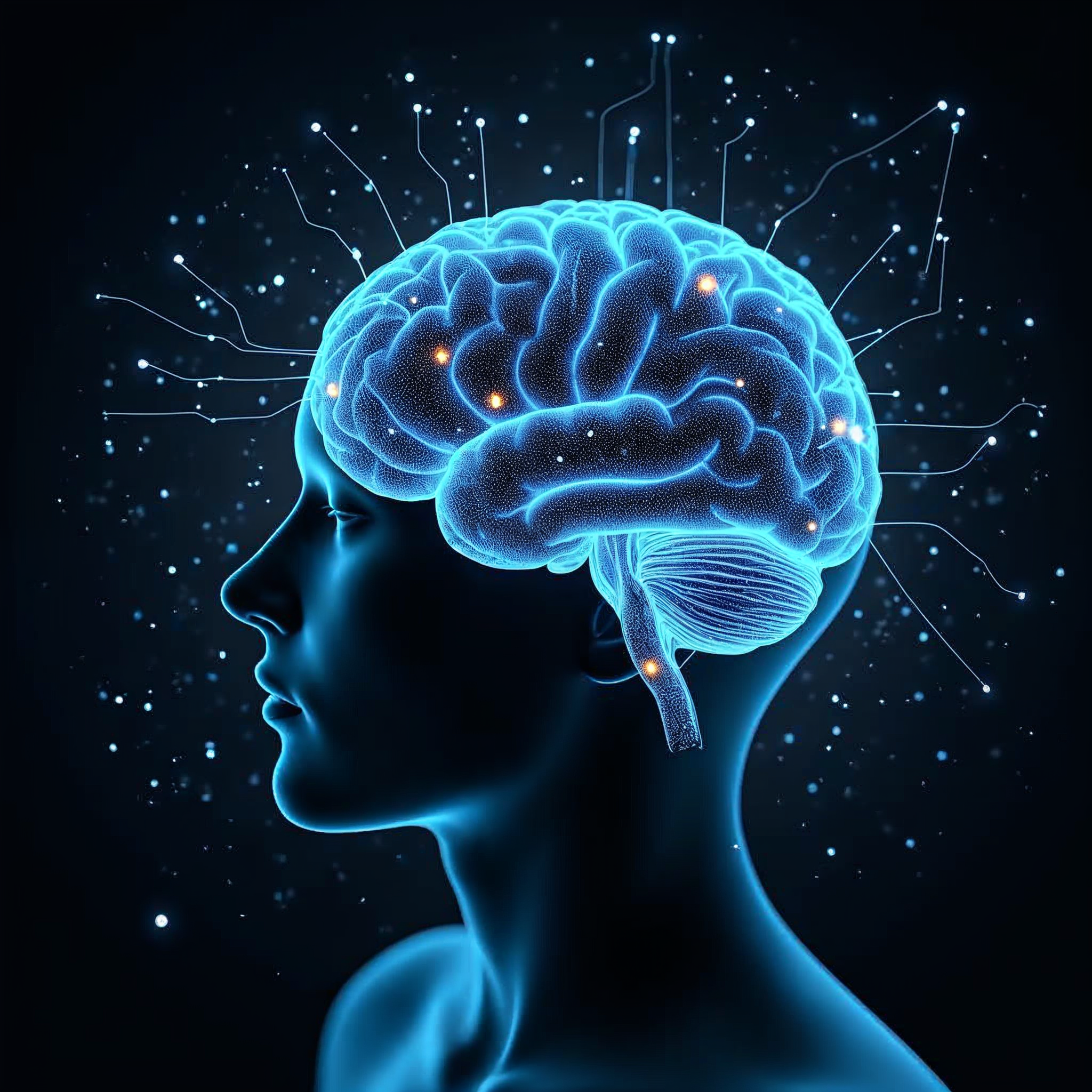
As BCI technology advances, it brings with it a host of ethical considerations. This section examines the privacy concerns, societal implications, and the delicate balance between the benefits and risks of this transformative technology.
Privacy Concerns and Data Security
The intimate nature of brain-computer interfaces raises significant privacy concerns. BCIs have the potential to access and interpret highly personal neural data, which could be vulnerable to misuse or unauthorized access.
Data security in BCI systems is paramount. Protecting neural data requires robust encryption methods and secure storage protocols. There’s also the question of who owns and controls this data – the individual, the device manufacturer, or third parties?
Regulatory frameworks are still catching up to these technologies. As highlighted in this study, there’s a pressing need for comprehensive guidelines to ensure the ethical handling and protection of neural data.
Ethical Implications of BCIs in Society
The integration of BCIs into society raises profound ethical questions. These technologies have the potential to enhance human capabilities, but they also risk exacerbating existing social inequalities.
One key concern is the potential for coercion or manipulation. If BCIs become widespread, there may be pressure to use them in certain contexts, such as the workplace or education, raising questions about autonomy and free will.
There are also concerns about the long-term effects of BCIs on human cognition and identity. As these technologies become more integrated into our lives, they may fundamentally alter how we think and interact with the world around us.
Balancing Benefits and Risks
The development of BCI technology presents both exciting opportunities and significant risks. Balancing these factors is crucial for responsible innovation in this field.
On the benefits side, BCIs offer hope for individuals with disabilities, potentially restoring communication or mobility. They also promise to enhance human cognitive abilities and revolutionize how we interact with technology.
However, the risks are equally significant. These include potential negative effects on brain function, the risk of hacking or unauthorized access to neural data, and broader societal impacts on privacy and autonomy.
Striking the right balance requires ongoing dialogue between scientists, ethicists, policymakers, and the public. As this Nature article suggests, a multidisciplinary approach is essential to navigate the complex landscape of BCI ethics.
Future Prospects and Human Interaction
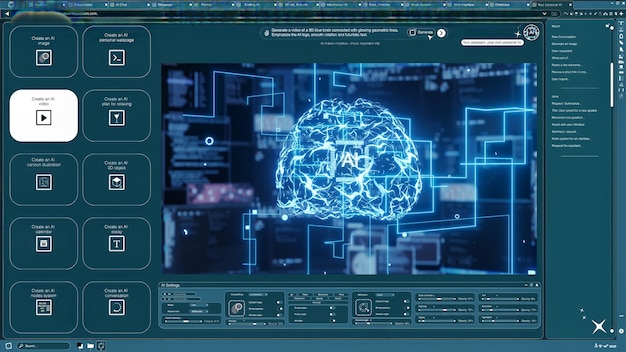
The future of brain-computer interfaces holds immense potential for transforming communication and human-computer interaction. This section explores the exciting possibilities that lie ahead as AI and neuroscience continue to converge.
The Future of Communication with BCIs
Brain-computer interfaces promise to revolutionize communication, offering new ways for humans to interact with each other and with technology. These advancements could be particularly transformative for individuals with communication disabilities.
BCIs may enable direct brain-to-brain communication, allowing thoughts and emotions to be transmitted without the need for speech or text. This could lead to more efficient and nuanced forms of communication, transcending language barriers.
In the realm of human-computer interaction, BCIs could allow for seamless control of digital devices, potentially replacing traditional input methods like keyboards and mice. This could lead to more intuitive and efficient ways of interacting with technology.
AI and Neuroscience Collaboration
The collaboration between AI and neuroscience is driving rapid advancements in BCI technology. AI algorithms are becoming increasingly sophisticated at interpreting neural signals, while insights from neuroscience are informing the development of more effective BCI systems.
Machine learning techniques, particularly deep learning, are playing a crucial role in improving the accuracy and speed of neural signal interpretation. These algorithms can identify complex patterns in brain activity that were previously undetectable.
As our understanding of the brain grows, we can expect BCIs to become more precise and capable. This synergy between AI and neuroscience holds the potential to unlock new frontiers in human-computer interaction and cognitive enhancement.
Impact on Human-Computer Interaction
The integration of BCIs into everyday technology could fundamentally change how we interact with computers and digital devices. This shift promises to make technology more intuitive and responsive to our thoughts and intentions.
Imagine controlling your smartphone or computer with just your thoughts, or navigating virtual and augmented reality environments through mental commands. These scenarios are becoming increasingly plausible as BCI technology advances.
However, this level of integration also raises questions about the nature of human cognition and our relationship with technology. As BCIs become more prevalent, we may need to reconsider our concepts of privacy, agency, and even consciousness itself.
Bridging the Gap with BriTech Group
With a track record of over 20 years in technical recruiting, BriTech Group connects top-tier engineering talent with leading companies. Our commitment to excellence and deep industry insights have positioned us as a trusted partner in the fast-evolving tech landscape. Whether you’re looking to hire or seeking new career opportunities, we are here to assist you in navigating the complexities of the tech job market. For more information about our services, visit Britech Group and check out our latest Tech Spotlight blog to stay updated on industry trends and insights.