

Harnessing Marine Technology: Leading Ocean Cleanup Strategies to Combat Pollution
As ocean pollution continues to threaten marine ecosystems, the integration of advanced marine technology has become crucial in developing effective ocean cleanup strategies. Autonomous drones and floating barriers now play a pivotal role in plastic waste removal, offering innovative solutions to clear our oceans of debris. These technologies, alongside advanced filtering systems, represent a significant step forward in sustainable ocean initiatives, aiming to protect aquatic life for future generations. By examining these strategies, we gain insight into how cutting-edge ocean pollution solutions are being harnessed to address one of the planet’s most pressing environmental challenges. Join us as we explore the forefront of marine technology, where environmentalists and innovators are working together to safeguard our seas.## Emerging Ocean Cleanup Technologies
The fight against ocean pollution has entered a new era with the advent of cutting-edge marine technology. This section explores three groundbreaking approaches that are reshaping our ability to clean and protect our oceans.
Autonomous Drones for Ocean Cleanup
Autonomous drones are revolutionizing ocean cleanup efforts by providing an efficient and scalable solution to plastic waste removal. These unmanned vehicles are equipped with advanced sensors and AI-powered systems, allowing them to navigate vast ocean areas independently.
Autonomous drones can cover large distances, identify and collect floating debris, and return to designated collection points. This technology reduces the need for human intervention in remote or dangerous areas.
The drones’ ability to operate continuously and in challenging conditions makes them a valuable asset in the ongoing battle against ocean pollution. As the technology improves, we can expect to see more widespread deployment of these robotic cleaners in our oceans.
Floating Barriers and Their Impact
Floating barriers represent a passive yet effective approach to ocean cleanup. These structures are designed to intercept and collect plastic waste as it moves through ocean currents.
The most notable example of this technology is The Ocean Cleanup project, which has deployed large-scale floating barriers in the Great Pacific Garbage Patch. These barriers use the ocean’s natural forces to concentrate and collect plastic waste.
While floating barriers face challenges such as durability in harsh ocean conditions, they have shown promise in capturing large quantities of plastic debris. Ongoing research and development aim to improve their design and efficiency, making them a key component of long-term ocean cleanup strategies.
Advanced Filtering Systems in Action
Advanced filtering systems are playing a crucial role in removing microplastics and other pollutants from ocean waters. These systems use a combination of physical and chemical processes to separate contaminants from seawater.
One innovative approach involves the use of membrane filtration technology, which can remove particles as small as microplastics from large volumes of water. This technology is particularly valuable in coastal areas and river mouths, where much of the plastic enters the ocean.
Research into new filtering materials and methods continues to improve the efficiency and scalability of these systems. As these technologies advance, they offer hope for cleaner, healthier oceans in the future.
Sustainable Strategies for Plastic Waste Removal
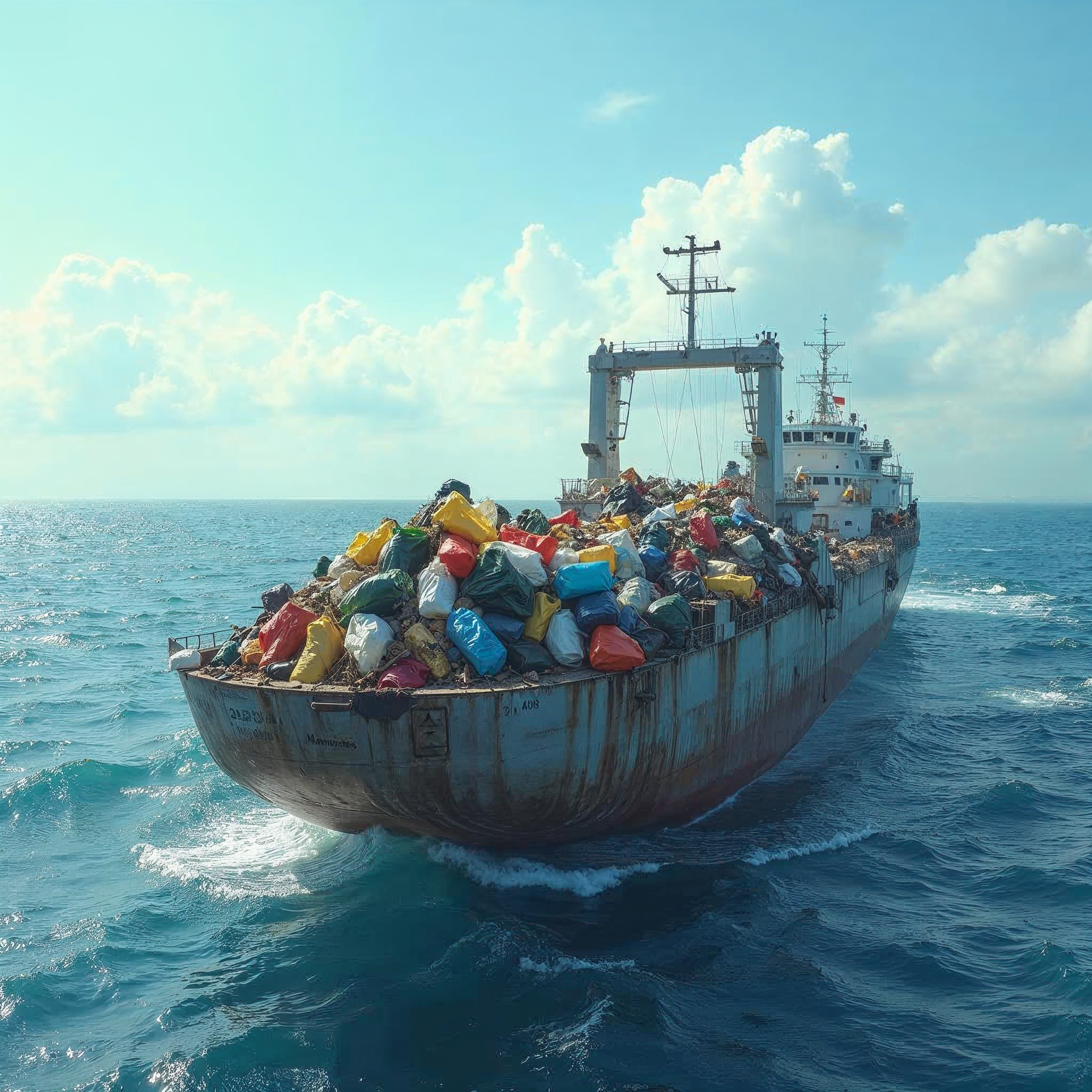
Addressing ocean pollution requires more than just reactive cleanup efforts. This section examines sustainable strategies that aim to prevent plastic waste from entering our oceans in the first place.
Collaborative Efforts in Ocean Pollution Solutions
Tackling ocean pollution demands a unified approach, bringing together governments, NGOs, businesses, and communities. These collaborative efforts focus on developing comprehensive solutions to reduce plastic waste at its source.
International agreements, such as the United Nations Clean Seas campaign, have mobilized countries to commit to reducing plastic pollution. These initiatives promote policy changes, public awareness, and investment in sustainable alternatives to single-use plastics.
Partnerships between technology companies and environmental organizations have led to innovative solutions. For example, collaborations have resulted in the development of biodegradable plastics and improved recycling technologies.
Community-led cleanup initiatives, supported by larger organizations, play a vital role in local plastic waste removal and raising awareness. These grassroots efforts often serve as catalysts for broader policy changes and corporate responsibility.
Innovative Approaches to Marine Technology
Innovation in marine technology is driving new approaches to ocean cleanup and pollution prevention. These advancements are changing how we monitor, collect, and process ocean waste.
Satellite imaging and AI-powered analysis are improving our ability to track and predict the movement of plastic waste in the oceans. This technology enables more targeted and efficient cleanup efforts.
Biodegradable materials are being developed as alternatives to traditional plastics. These materials break down naturally in marine environments, reducing long-term pollution.
New recycling technologies are making it possible to process a wider range of plastic types, including those previously considered non-recyclable. This innovation is crucial in creating a circular economy for plastics.
Protecting Marine Ecosystems for Future Generations
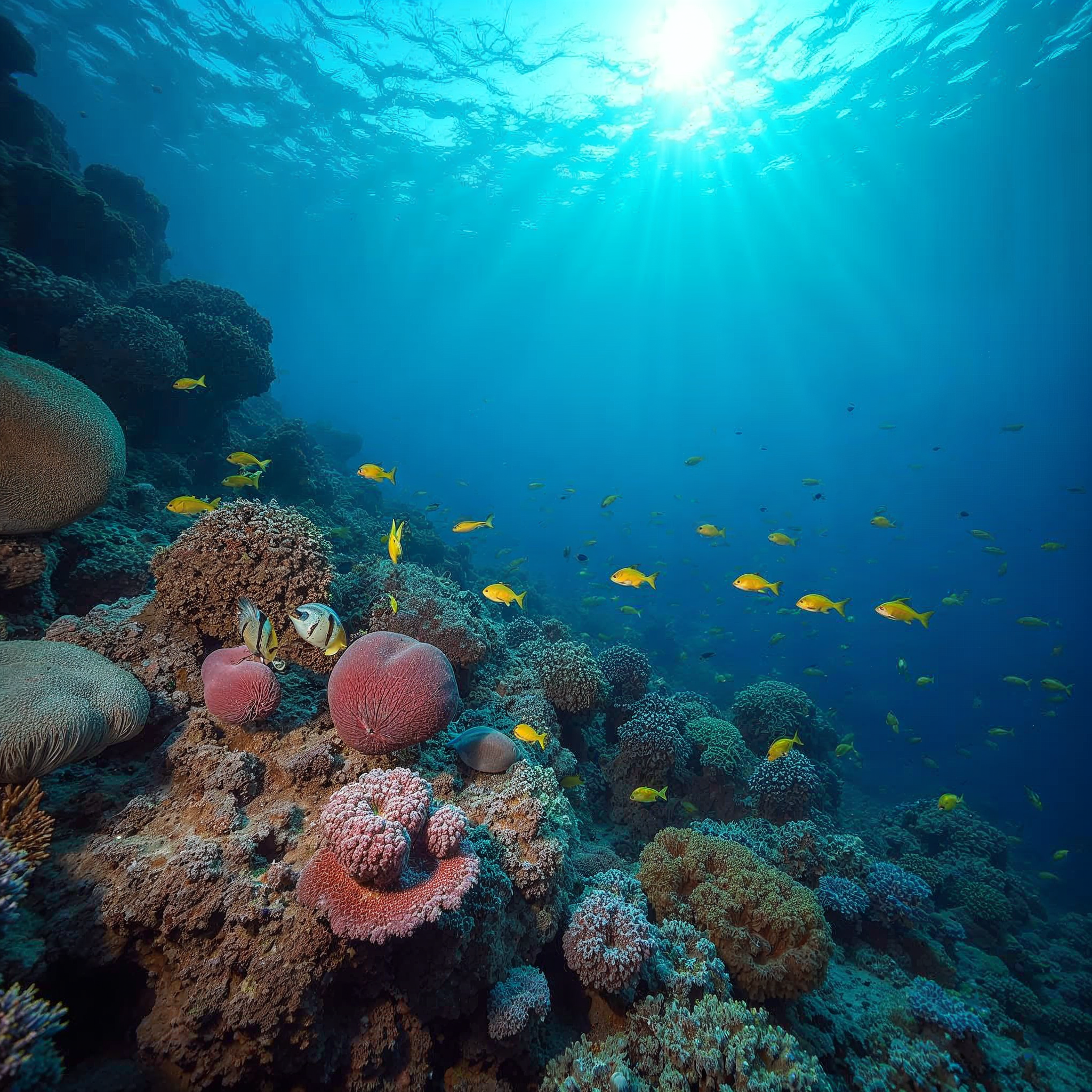
The ultimate goal of ocean cleanup efforts is to preserve marine ecosystems for future generations. This section explores the long-term impact of sustainable ocean initiatives and the role of technology in maintaining ocean health.
Importance of Sustainable Ocean Initiatives
Sustainable ocean initiatives are critical for maintaining the health and biodiversity of marine ecosystems. These initiatives go beyond cleanup efforts to address the root causes of ocean pollution.
Education and awareness programs play a key role in changing public attitudes towards plastic use and disposal. By fostering a sense of responsibility for ocean health, these initiatives can lead to lasting behavioral changes.
Policy measures, such as bans on single-use plastics and incentives for sustainable practices, are essential components of long-term ocean protection strategies. These measures help create a supportive environment for sustainable ocean initiatives.
Investment in research and development of eco-friendly materials and technologies is crucial for finding sustainable alternatives to harmful plastics. This ongoing innovation is vital for reducing the flow of pollutants into our oceans.
Role of Technology in Ocean Health Preservation
Technology plays a multifaceted role in preserving ocean health, from monitoring and cleanup to prevention and research. The integration of various technologies is creating a more comprehensive approach to ocean conservation.
Advanced sensors and monitoring systems provide real-time data on ocean health, allowing for rapid response to pollution events. This technology enables more proactive management of marine ecosystems.
Artificial intelligence and machine learning are being used to analyze vast amounts of ocean data, helping scientists better understand the impact of pollution and climate change on marine life. These insights inform conservation strategies and policy decisions.
Emerging technologies, such as ocean-based renewable energy systems, offer the potential to reduce our reliance on fossil fuels and decrease pollution from land-based sources. As these technologies mature, they could play a significant role in overall ocean health preservation.
Hire with confidence with BriTech Group
With a track record of over 20 years in technical recruiting, BriTech Group connects top-tier engineering talent with leading companies. Our commitment to excellence and deep industry insights have positioned us as a trusted partner in the fast-evolving tech landscape. Whether you’re looking to hire or seeking new career opportunities, we are here to assist you in navigating the complexities of the tech job market. For more information about our services, visit Britech Group and check out our latest Tech Spotlight blog to stay updated on industry trends and insights.