

Exploring the Future of Marine Energy Technology: Zero-Emission Ships and Their Impact
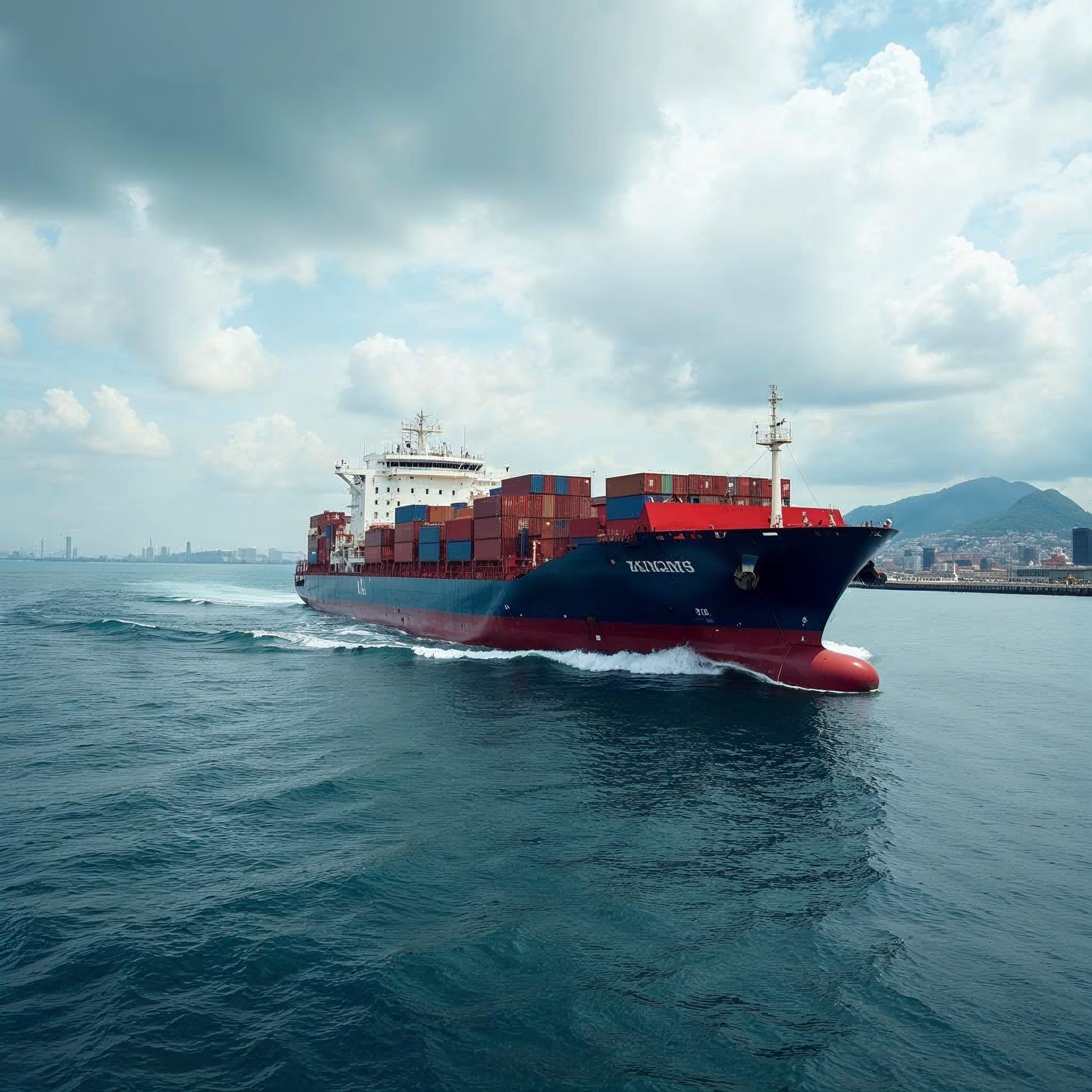
Forget everything you know about shipping’s carbon footprint. The era of zero-emission ships is no longer a distant idea—it’s arriving now with autonomous electric container ships like Yara Birkeland. Launching this year, Yara Birkeland will set a new standard in marine energy technology by cutting emissions dramatically. Let’s explore how this breakthrough is reshaping sustainable shipping and reducing shipping emissions on a global scale.
The Evolution of Marine Energy Technology
The maritime sector stands at a critical juncture. Traditional fuel-powered vessels have dominated ocean transport for over a century, but the environmental cost has become unsustainable. Marine energy technology is now advancing rapidly to address these challenges through battery-operated ships and hydrogen-powered ships.
The shift toward zero-emission ships represents more than an environmental initiative. It signals a fundamental redesign of how we approach global trade and cargo transport. Companies investing in these technologies are positioning themselves at the forefront of shipping industry innovation.
Yara Birkeland: A Case Study in Sustainable Shipping
The Yara Birkeland project demonstrates what becomes possible when commitment meets technology. This vessel represents the world’s first fully autonomous and battery-operated container ship, designed to eliminate approximately 40,000 diesel truck journeys annually along Norway’s coastline.
Key Features of the Yara Birkeland
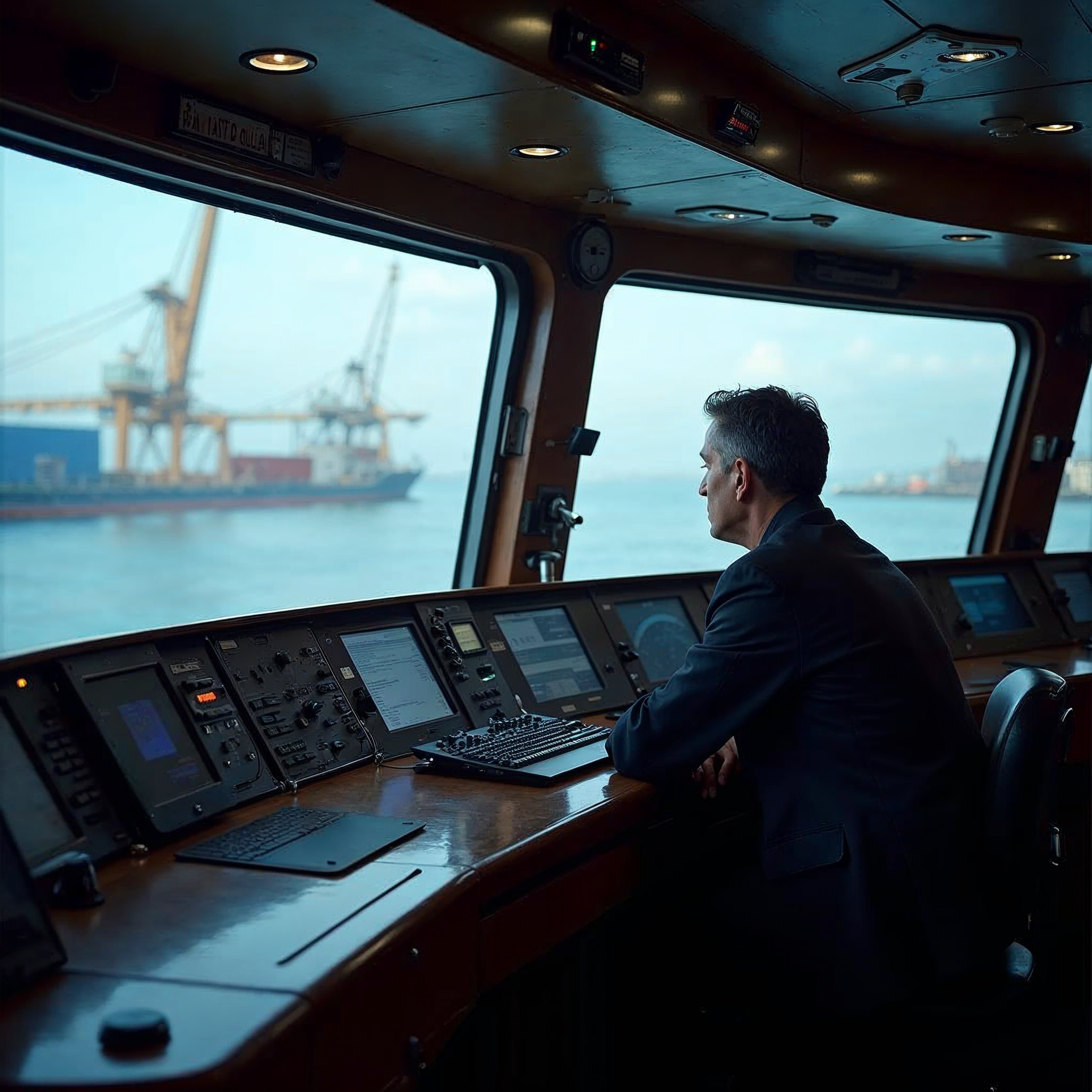
Fully autonomous navigation system
Battery-powered propulsion with zero direct emissions
120 TEU cargo capacity
Short-range coastal operations
Advanced sensor technology for collision avoidance
The vessel operates on a fixed route between Yara’s production facility and nearby ports, demonstrating that autonomous electric container ships can function reliably in real-world commercial conditions. This operational model provides a blueprint for other companies considering similar emission reduction technology.
Reducing Shipping Emissions Through Technology
The shipping industry contributes approximately 3% of global greenhouse gas emissions. Addressing this requires multiple approaches, and battery-operated ships offer a proven solution for short-range routes.
Benefits of Zero-Emission Ships
Elimination of direct carbon emissions on operational routes
Reduced air pollution in port areas
Lower noise pollution affecting marine ecosystems
Decreased operational costs over the vessel’s lifetime
Compliance with increasingly strict environmental regulations
Marine energy technology extends beyond batteries. Hydrogen-powered ships are entering development phases, offering longer range capabilities while maintaining zero-emission status. These vessels convert hydrogen into electricity through fuel cells, producing only water as a byproduct.
Challenges Facing Sustainable Shipping
While the progress is encouraging, several obstacles remain:
Limited battery range restricts operational scope
Charging infrastructure requires significant port investment
Higher upfront capital costs compared to conventional vessels
Regulatory frameworks still developing for autonomous operations
Energy grid capacity must support charging demands
Addressing these challenges requires collaboration between shipbuilders, port authorities, energy providers, and regulatory bodies. The solutions developed today will determine how quickly the industry can scale these technologies.
The Role of Automation in Emission Reduction
Autonomous electric container ships like Yara Birkeland combine two technological advances: electric propulsion and autonomous navigation. This pairing creates multiple benefits.
Autonomous systems optimize routes, speeds, and energy consumption with precision impossible for human crews. They maintain consistent operational efficiency, reducing energy waste. The removal of crew accommodations also reduces vessel weight and power requirements.
Hydrogen-Powered Ships: The Next Frontier
While battery technology serves short-range applications well, hydrogen-powered ships may address longer voyages. Several pilot projects are currently underway:
Passenger ferries in European waters
Offshore support vessels
Mid-range cargo ships
These projects test different hydrogen storage methods, fuel cell configurations, and safety protocols. The lessons learned will inform the next generation of zero-emission ships.
Industry Implications for Maritime Professionals
The transition to sustainable shipping creates new opportunities and requirements for maritime professionals. Engineers with expertise in electrical systems, battery management, and autonomous navigation systems will find growing demand for their skills.
Traditional maritime roles are evolving. Port operations staff need training in charging infrastructure. Naval architects must master new design principles for battery-operated ships. Safety officers require knowledge of hydrogen handling and storage.
Companies planning to recruit talent for these positions should look for professionals who combine traditional maritime knowledge with expertise in emerging technologies. The industry needs people who can bridge conventional shipping practices with cutting-edge marine energy technology.
Looking Forward: The Path to Industry-Wide Adoption
Yara Birkeland and similar projects prove that zero-emission ships can work. The question now is how quickly the industry can scale these solutions.
Short-range coastal shipping offers the most immediate opportunities. These routes align well with current battery capabilities and can build the operational experience needed for larger deployments. As battery technology improves and charging infrastructure expands, longer routes become feasible.
The shipping industry stands on the edge of substantial change. Marine energy technology, particularly autonomous electric container ships and hydrogen-powered ships, offers a clear path toward reducing shipping emissions. Organizations that invest now in these technologies and the talent to operate them will lead the sustainable shipping era ahead.
For maritime companies, the time to act is now. Building expertise, forming partnerships, and planning infrastructure investments will determine competitive position in the coming decade. The future of global trade depends on making zero-emission ships the standard rather than the exception.
BriTech Group, Inc.
BriTech Group excels in connecting skilled engineers, management, and C-level executives with leading companies at the forefront of cutting-edge technology and innovation. Our expertise bridges the gap between the demand and supply of high-caliber technical personnel, promoting a dynamic environment for growth and advancement. To learn more about our focus on pioneering technology and innovation, check out this article. For more information about our services, visit BriTech Group.