

From Carbon Fibre to Epoxy Resin: The Future of Energy Storage Solutions
Forget everything you know about traditional lithium-ion batteries. Structural battery composites (SBC technology) combine weight-bearing materials like carbon fibre and epoxy resin with energy storage solutions, cutting down the bulk in electric vehicles. If safety standards catch up, this shift could reshape aerospace applications and reduce the environmental impact of batteries in ways you haven’t seen before. Let’s explore how SBCs could change the future of electric vehicles.
Understanding Structural Battery Composites
The energy storage world is changing fast. What if the very materials that make up your car or airplane could store energy? This is the game-changing concept behind structural battery composites.
What are SBCs?
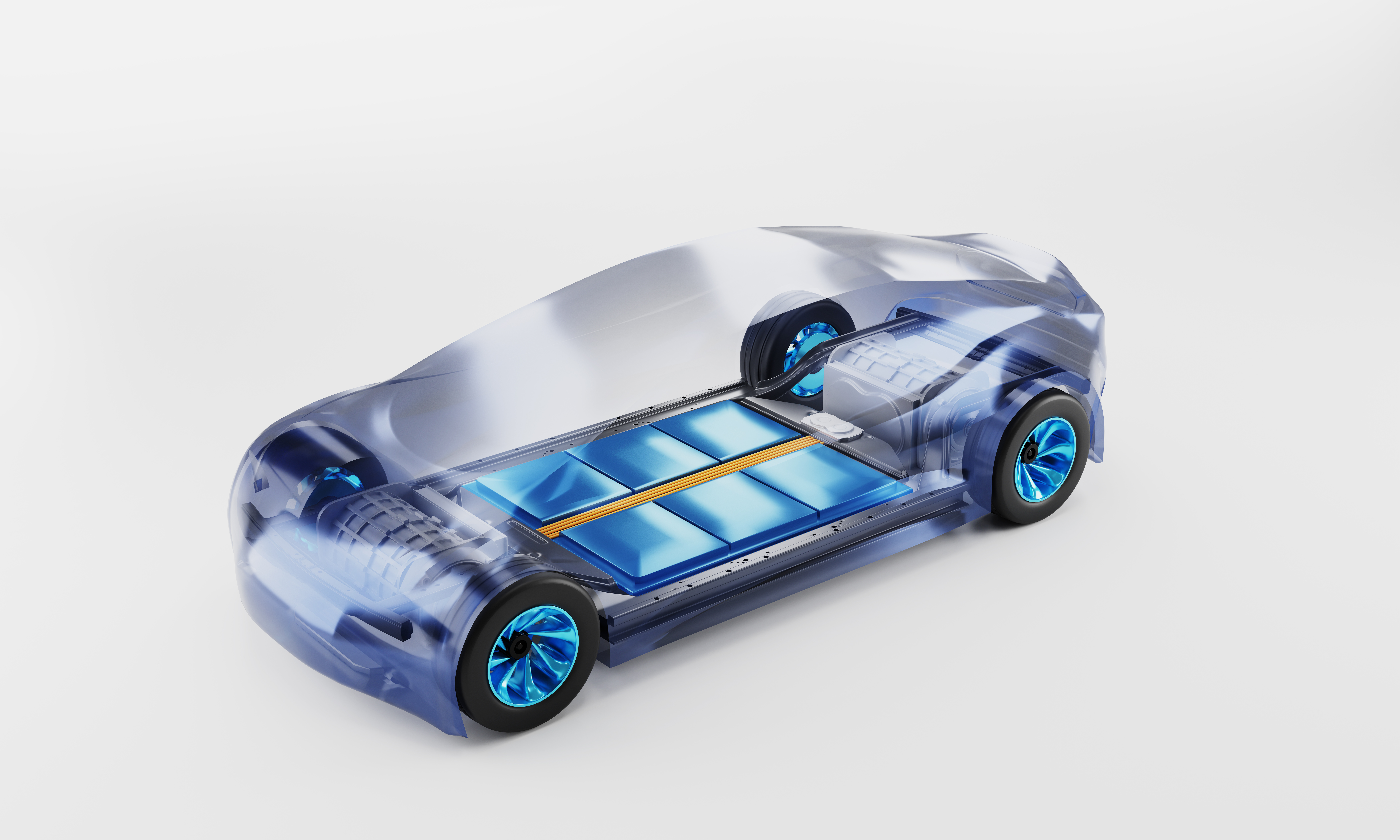
Structural battery composites (SBCs) break the rules of conventional energy storage. Unlike typical batteries that sit as dead weight in your vehicle, SBCs serve dual purposes – they hold your vehicle together while storing electricity.
Think of them as super-materials with split personalities. The same carbon fiber panel that forms your car’s body can now power its motor. This dual-function approach marks a complete shift from traditional design thinking where batteries and structural components exist as separate systems.
SBCs work through special layering techniques that combine structural strength with electrochemical properties. The result? Materials that can both withstand physical stress and store electrical charge simultaneously.
Your next electric car might not have a battery pack at all – the car itself could be the battery.
Materials Used in SBC Technology
Carbon fiber sits at the heart of most SBC designs, playing a crucial role as both structural reinforcement and electrode material. Its incredible strength-to-weight ratio makes it perfect for this dual role.
The magic happens when carbon fiber meets specialized polymers. Researchers are developing epoxy resins that conduct ions while maintaining structural integrity. These aren’t your standard glues – they’re engineered at the molecular level to move charged particles while keeping everything bonded tight.
Between these layers, scientists place solid electrolytes – materials that allow ions to flow but prevent electrical shorts. Unlike liquid electrolytes in traditional batteries, these solid versions won’t leak or catch fire easily.
The manufacturing process combines precision layering with careful curing. Each layer must bond perfectly with the next while maintaining its electrical properties. It’s like building a sandwich where each ingredient must both taste good and hold the whole thing together.
Advantages Over Conventional Batteries
Weight reduction stands out as the most obvious benefit of structural battery composites. By making the battery part of the structure, you eliminate redundant materials – cutting vehicle weight by up to 15%.
This weight loss translates directly into performance gains. Lighter vehicles need less energy to move, creating a positive feedback loop: less weight means smaller batteries, which means even less weight. Your electric vehicle range could jump significantly without adding a single extra battery cell.
Space savings offer another major advantage. Traditional battery packs eat up valuable room in vehicles. With SBCs, that space becomes available for passengers, cargo, or other systems. Your electric car suddenly has trunk space again!
Damage resistance improves too. Unlike concentrated battery packs that create single points of failure, SBC technology spreads energy storage throughout the vehicle. A small impact won’t disable your entire power system.
Applications in Vehicles and Aircraft

These revolutionary materials aren’t just theoretical – they’re being developed for real-world use in transportation. The impact could reshape how we build and power vehicles of all types.
Enhancing Electric Vehicles
Electric cars built with structural battery composites could shed hundreds of pounds. This weight reduction directly boosts range – the holy grail of EV design. Your next electric vehicle might travel 20-30% farther on the same charge simply by switching to SBC construction.
Body panels, floor sections, and even seat frames could double as energy storage. Imagine your car’s roof collecting solar energy, storing it in its own structure, then powering your drive. This distributed approach also improves weight balance and handling by spreading mass evenly throughout the vehicle.
Research shows that SBC-equipped vehicles could reduce total vehicle weight by up to 15% compared to conventional designs. That weight reduction cascades through all systems – smaller motors, lighter suspension components, and reduced structural requirements.
The cost benefits become clear when you look at total vehicle design. While SBC materials cost more per pound than standard composites, they eliminate entire battery systems, potentially lowering overall manufacturing costs.
Aerospace Applications of SBCs
Aircraft stand to gain even more from structural battery technology. In planes, every pound matters enormously. SBCs could form parts of wings, fuselages, or interior panels while storing power for electrical systems.
Drones and small aircraft represent the likely first adopters. These vehicles operate on tight energy budgets where weight directly impacts flight time and range. SBC technology could double flight durations for some electric aircraft designs by cutting their weight so dramatically.
Commercial aviation faces stricter safety requirements, but studies indicate that SBC technology could still find applications in non-critical structures. Cabin dividers, overhead bins, and galley components could all store energy while performing their primary functions.
The military has shown particular interest in this technology. Battlefield energy needs make SBCs attractive for everything from portable shelters to unmanned aircraft. When every battery must be carried by troops or transported to remote locations, dual-purpose materials become invaluable.
Environmental Impact of Batteries
Traditional lithium-ion battery production creates significant carbon emissions. SBC technology can reduce this impact by decreasing the total amount of battery material needed in each vehicle.
Mining impacts shrink proportionally when less raw material is required. Your electric vehicle might need 20-30% less lithium, cobalt, and nickel if built with structural battery composites. These reductions matter because battery material extraction often occurs in ecologically sensitive areas.
End-of-life recycling becomes more straightforward with SBCs in some ways. Since the battery materials are integrated into the structure, entire vehicle sections can be processed together. This approach could simplify the recycling stream compared to disassembling complex battery packs.
The total carbon footprint of transportation drops when vehicles weigh less. Less energy used in manufacturing, less power needed for propulsion, and potentially longer vehicle lifespans all contribute to a greener transportation future. Your next car might not just run clean – it might be built clean too.
Challenges and Future Prospects
Despite their promise, structural battery composites face real obstacles before they can transform our vehicles. The path from laboratory to highway involves solving complex problems.
Safety and Regulatory Concerns
Fire safety tops the list of concerns with any battery technology. SBCs must prove they can contain thermal runaway events as effectively as conventional battery systems. Your safety depends on these materials performing predictably under extreme conditions.
Crash testing presents unique challenges for SBC-equipped vehicles. When the battery is part of the structure, damage assessment becomes more complex. Regulators need clear ways to determine if a damaged panel poses electrical risks after an accident.
Current automotive safety standards weren’t written with structural batteries in mind. New testing protocols must be developed to address the specific behaviors of these materials. This regulatory catch-up process could slow adoption even if the technology proves viable.
Recent studies suggest that properly designed SBCs might actually offer safety advantages in some scenarios. By spreading energy storage throughout the vehicle rather than concentrating it in a single pack, catastrophic failures become less likely.
Potential Economic Benefits
Manufacturing costs will initially exceed those of conventional systems, but the economics improve at scale. Early adopters will pay premium prices, but as production volumes increase, SBC costs should fall dramatically.
The supply chain simplification offers hidden savings. When battery and body components merge, you eliminate separate manufacturing processes, shipping requirements, and assembly steps. Your vehicle might contain fewer total parts, reducing both cost and complexity.
Job creation will follow SBC adoption, particularly in advanced manufacturing. New skills will be needed to produce, maintain, and repair these integrated systems. The workforce that builds today’s cars will need training to handle tomorrow’s SBC vehicles.
Long-term ownership costs could drop significantly. Lighter vehicles mean less wear on tires, brakes, and suspension components. Your maintenance bills might shrink along with your carbon footprint.
The Future of Electric Vehicles
SBC technology promises to break through current electric vehicle limitations. Range anxiety fades when structural batteries make cars lighter and more energy-dense. Your future electric car might drive 500+ miles on a single charge.
Design freedom expands when batteries don’t demand dedicated space. Car shapes can evolve beyond today’s compromises, with more interior room and better aerodynamics. The boxy battery pack underneath current EVs could disappear entirely.
Market adoption will likely start with premium vehicles where higher costs are acceptable. Just as carbon fiber began in race cars before reaching family sedans, SBCs will trickle down from high-end to mainstream models.
The timeline for widespread adoption depends on solving current technical challenges. You might see the first production vehicles with limited SBC components within 5 years, but full integration could take a decade or more. The wait will be worth it – these materials could redefine what we expect from electric transportation.
BriTech Group plays an essential role in connecting skilled engineers with leading companies at the cutting edge of technological advancements and other innovative developments. Our expertise bridges the gap between the demand for and supply of talented technical personnel, fostering a dynamic setting for growth and innovation. To explore our insights on pioneering technology and innovation, check out this article. For further information about our services, visit Britech Group