

Harnessing the Power of the Sun: The Suncatcher Project and Solar-Powered Data Centers
Forget everything you know about data centers being stuck on Earth. Starcloud just launched a refrigerator-size Nvidia GPU satellite with SpaceX, aiming to build orbital data centers that handle heavy compute tasks above the atmosphere. Meanwhile, Google’s Suncatcher project tests solar-powered data centers in space, pushing green computing to new heights. If you care about energy-efficient computing and the future of distributed compute models, this shift could change everything.
The Suncatcher Project Overview
Space tech is taking a giant leap forward as companies move computing power beyond Earth’s atmosphere. Google’s Suncatcher project represents a bold vision for the future of data processing.
Origins and Objectives
Google’s Suncatcher project began as a response to the growing energy demands of artificial intelligence systems. The tech giant recognized that Earth-bound data centers face significant constraints—limited power resources, cooling challenges, and environmental impacts.
The project’s primary goal? To create solar-powered data centers in space that can process massive AI workloads without straining Earth’s resources. Google’s research team designed these orbital facilities to capture solar energy directly, without atmospheric interference that reduces efficiency on Earth.
What makes this approach different is the constant access to sunlight. Unlike ground-based solar farms that go dark at night, space-based solar collectors can gather energy 24/7, creating a near-perfect environment for power-hungry computing tasks.
The name “Suncatcher” itself reveals the core mission—to capture and use the sun’s energy in ways impossible on Earth. This isn’t just an incremental improvement but a complete rethinking of how and where computing happens.
Impact on Space Tech
The ripple effects of the Suncatcher project extend across the entire space technology sector. This shift toward orbital computing has sparked new interest in satellite design, space-based solar power, and radiation-hardened computing hardware.
For space launch providers like SpaceX, these projects create steady demand for regular launches. Each new orbital data center requires multiple trips to space, from initial module placement to regular maintenance missions. This consistent business helps bring down launch costs for everyone.
The project has also pushed forward miniaturization technology. To make space-based computing practical, engineers had to shrink components while making them more durable and energy-efficient. These advances now benefit everything from satellites to Mars rovers.
Perhaps most significant is how Suncatcher changes our view of space itself. Space is no longer just a place for scientific research or telecommunications—it’s becoming an extension of our computing infrastructure. This mental shift opens doors to other commercial applications that weren’t considered viable before.
Solar-Powered Data Centers in Space
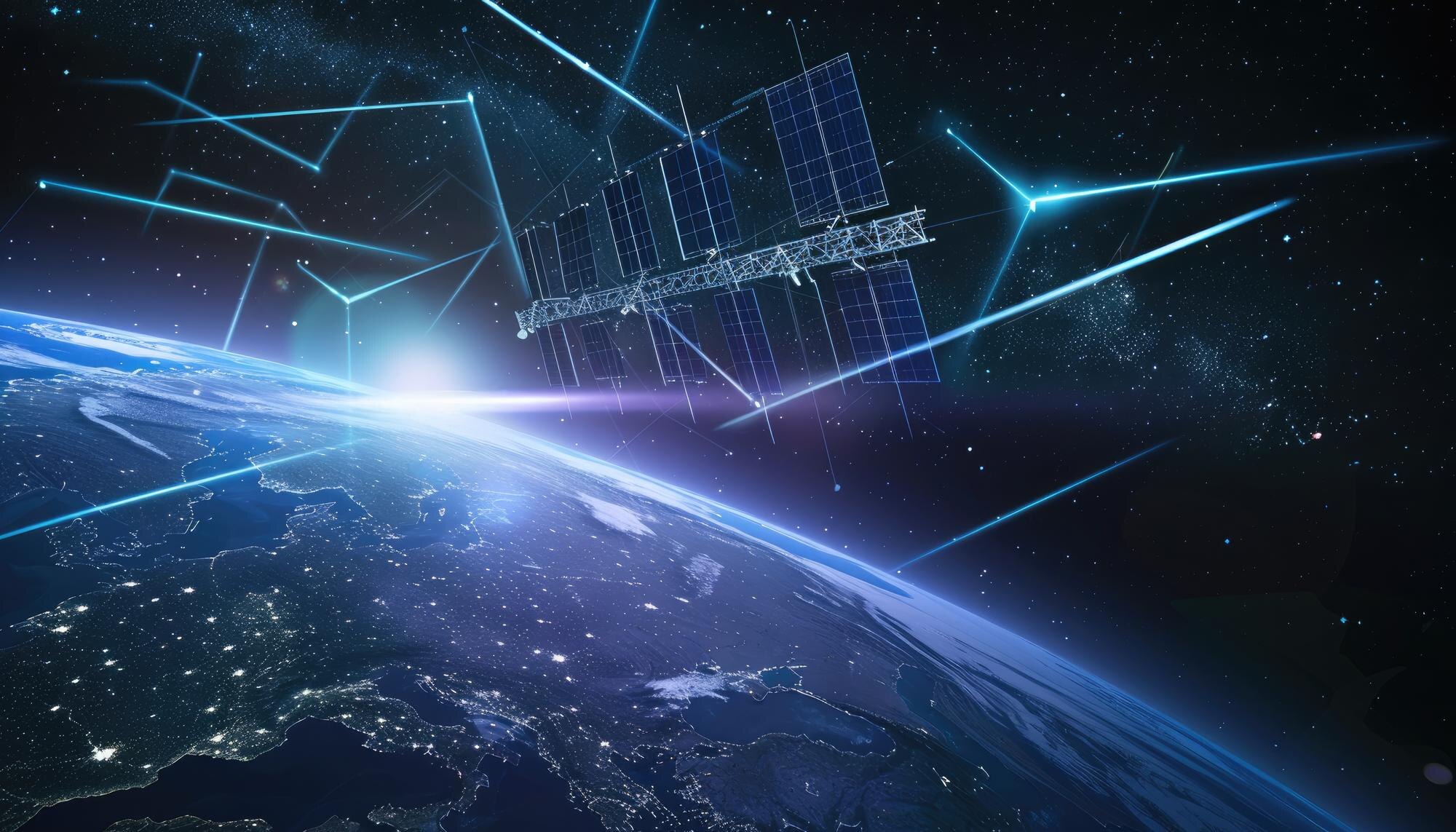
The concept of putting computing power in orbit marks a fundamental shift in how we think about digital infrastructure. These orbital platforms tap into the most abundant energy source in our solar system.
Energy-Efficient Computing Benefits
Space-based data centers offer dramatic energy advantages over their Earth-bound counterparts. In orbit, solar panels operate at peak efficiency without weather interference, atmospheric filtering, or nighttime darkness.
A single square meter of solar panels in Earth orbit can collect up to 2.3 kilowatt-hours of energy daily—about four times more than the same panel on Earth. This energy bounty means computing can happen without the constraints that limit terrestrial operations.
The cooling benefits are equally impressive. On Earth, data centers spend enormous amounts of energy just staying cool. In space, the cold vacuum provides natural cooling on the dark side of structures. This setup creates a perfect heat exchange system that requires almost no energy to maintain.
For businesses running AI training or complex simulations, these benefits translate to real cost savings. When computing moves to space, you’re no longer paying premium rates for peak electricity or building expensive cooling systems. The math becomes compelling as launch costs continue to fall.
The latency question often comes up—won’t space-based computing be slower? The answer might surprise you. While there is a slight delay (about 20 milliseconds from low Earth orbit), this is offset by the ability to position computing resources strategically around the globe, reducing overall network travel time for many applications.
Green Computing and Sustainability
The environmental case for space-based computing grows stronger as AI workloads increase. Current estimates show that data centers already consume 1-2% of global electricity—a figure projected to rise sharply with AI growth.
Moving these energy-intensive workloads to space can help break the cycle of building more power plants on Earth. Instead of clearing land for new energy facilities, companies can tap the unlimited solar resources available just above our atmosphere.
The waste heat from computing—a major problem on Earth—becomes a non-issue in space. There’s no local warming effect, no thermal pollution of water bodies, and no impact on local ecosystems. This clean operation represents a new model for sustainable computing.
Forbes reports that each orbital data center could offset the carbon footprint equivalent to removing thousands of cars from the road. While the initial launch does create emissions, the lifetime operation of these facilities produces zero direct carbon output.
The materials used in these systems are also designed for longevity. Without weather or oxygen exposure, components last much longer, reducing the replacement cycle and associated manufacturing impacts that come with building new data centers every few years.
Nvidia GPU Satellite Innovations
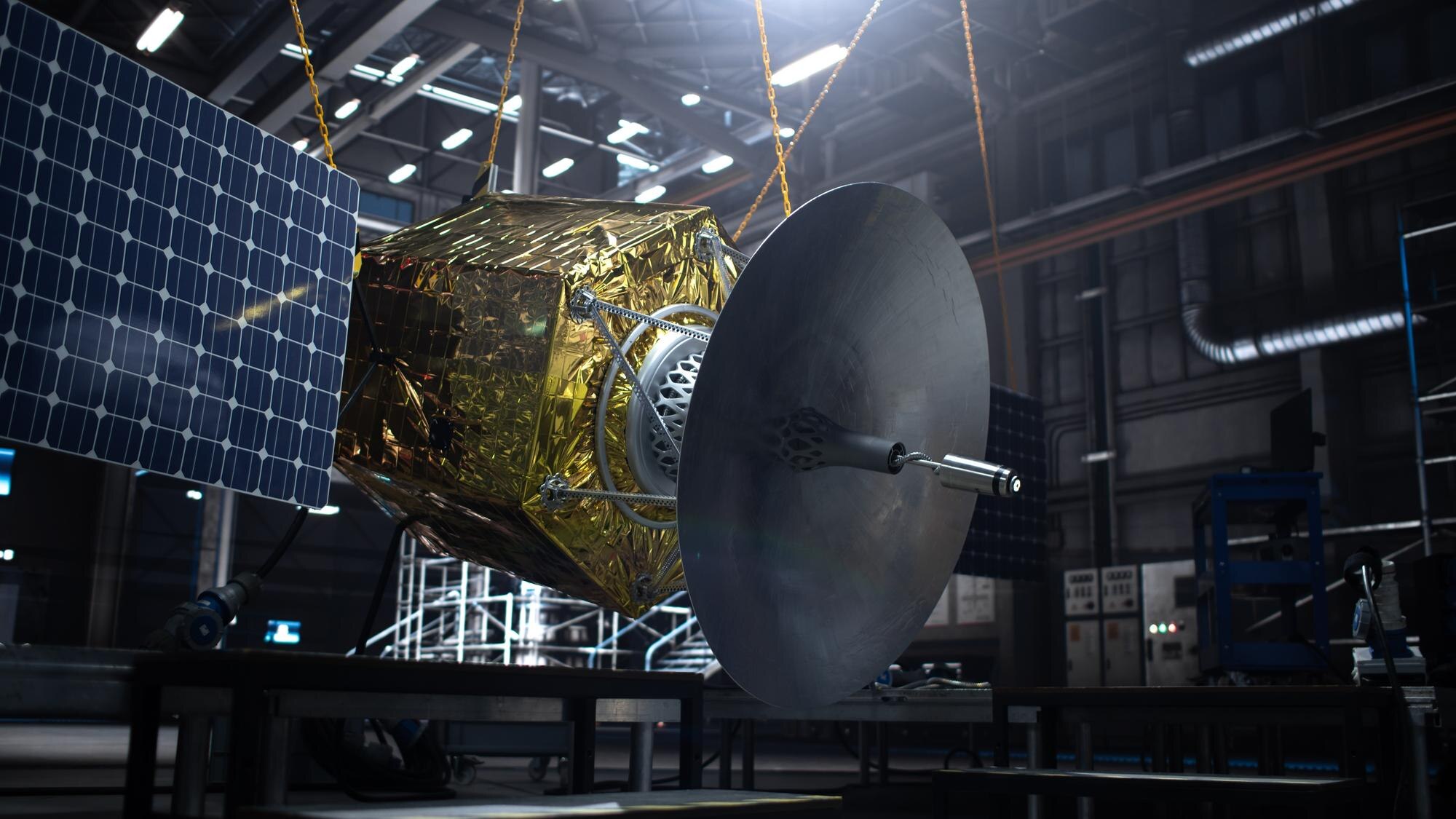
The hardware making space computing possible deserves special attention. Nvidia’s specialized GPU satellites represent a breakthrough in compact, high-performance orbital computing.
Role in Orbital Data Centers
Nvidia’s GPU satellites serve as the processing backbone for space-based data centers. These refrigerator-sized units pack tremendous computing power into radiation-hardened packages designed to withstand the harsh conditions of space.
Each satellite contains multiple graphics processing units optimized for AI workloads. These specialized chips excel at the parallel processing tasks that drive today’s machine learning algorithms. What makes them perfect for space is their ability to handle massive calculations while maintaining reasonable power requirements.
The design breaks from traditional satellite architecture. Instead of building single-purpose systems, Nvidia created modular platforms that can be updated with new software remotely. This flexibility means the hardware can adapt to changing computing needs without requiring physical replacement.
Thermal management presented a unique challenge for these units. Engineers developed innovative heat pipe systems that transfer waste heat from processors to radiator panels. These panels then release the heat as infrared radiation into space—a perfect example of working with the space environment rather than fighting against it.
The communication systems linking these GPU satellites form another critical innovation. High-speed laser links create a mesh network between units, allowing them to function as a single distributed supercomputer when needed or operate independently for redundancy.
Future of Distributed Compute Models
The move to space-based computing signals a major shift in how we’ll structure computing resources in the coming decades. This distributed model places processing power closer to where it’s needed most.
Looking ahead, we’ll likely see hybrid systems where critical, energy-intensive tasks happen in orbit while consumer-facing applications remain Earth-bound. This division plays to the strengths of each environment—space for raw computing power, Earth for low-latency user interactions.
New programming frameworks are already emerging to handle this split architecture. Developers can tag functions for orbital execution without rewriting entire applications, making the transition smoother for existing software.
The economic models are changing too. Studies show that as launch costs drop below $1,000 per kilogram to orbit, space-based data centers become cost-competitive with building new facilities in high-energy-cost regions. This tipping point may arrive sooner than expected.
For small and medium businesses, this shift means potential access to supercomputing resources that were previously available only to large corporations. The pay-as-you-go model that works for cloud computing today will extend to orbital resources, democratizing access to high-performance computing.
What’s most exciting is how these changes will spark new types of applications we haven’t even imagined yet. When computing power becomes nearly unlimited and energy constraints disappear, developers can build tools that would be impractical or impossible in today’s earth-bound infrastructure.
BriTech Group, Inc.
BriTech Group is instrumental in connecting skilled engineers with top companies leading advancements in cutting-edge technology and innovation. We specialize in both contract and direct hire positions, bridging the gap between the demand for and supply of skilled technical personnel. This dual expertise fosters a dynamic environment for growth and innovation. To learn more about our highlights on pioneering technology and innovation, check out this article. For additional details about our services, visit Britech Group