

Beyond Lithium: Exploring Sodium-Ion as the Sustainable Battery Choice for Tomorrow
Forget everything you know about energy storage solutions. Sodium-ion batteries are stepping into the spotlight as a cost-effective energy option that challenges the dominance of lithium-ion. With abundant sodium resources ready to power electric vehicles and renewable energy systems, this lithium-ion alternative promises to reshape the battery market innovation you thought was set in stone. Here’s why your next battery choice might be sodium-based.
The Rise of Sodium-Ion Technology
The energy storage sector is experiencing a significant shift as sodium-ion batteries enter commercial markets. This technology represents a practical response to the challenges facing lithium-ion systems, particularly concerning resource availability and cost pressures. For energy industry professionals and sustainability advocates, understanding this emerging technology is essential for strategic planning and investment decisions.
Sodium-ion batteries offer several compelling advantages that position them as a credible lithium-ion alternative:
Abundant raw materials available globally
Lower material costs compared to lithium-based systems
Reduced supply chain vulnerabilities
Comparable performance metrics for many applications
Enhanced safety characteristics in certain configurations
Understanding the Technology Behind Sustainable Batteries
Sodium-ion batteries operate on similar electrochemical principles as their lithium counterparts. The key difference lies in the charge carrier: sodium ions replace lithium ions in the battery’s operation. This substitution brings both opportunities and technical considerations that manufacturers and end users must evaluate.
Performance Characteristics
Current sodium-ion batteries demonstrate energy density ranging from 100 to 160 Wh/kg, which positions them favorably for stationary energy storage solutions and specific electric vehicles applications. While this represents lower energy density than premium lithium-ion systems, the gap continues to narrow as research advances.
The cycle life of sodium-ion batteries has reached commercially viable levels, with many systems achieving 3,000 to 5,000 charge-discharge cycles. This durability makes them particularly suitable for renewable energy systems where long-term reliability matters more than maximum energy density.
Safety and Environmental Considerations
Safety represents a critical advantage for sodium-ion technology. These sustainable batteries demonstrate lower thermal runaway risk and can be safely discharged to zero volts for transportation and storage. This characteristic simplifies logistics and reduces handling costs throughout the supply chain.
From an environmental perspective, sodium extraction carries a smaller ecological footprint than lithium mining. Sodium can be derived from seawater or abundant mineral deposits, reducing the environmental impact associated with battery production.
Commercial Applications and Market Opportunities
Stationary Energy Storage Solutions
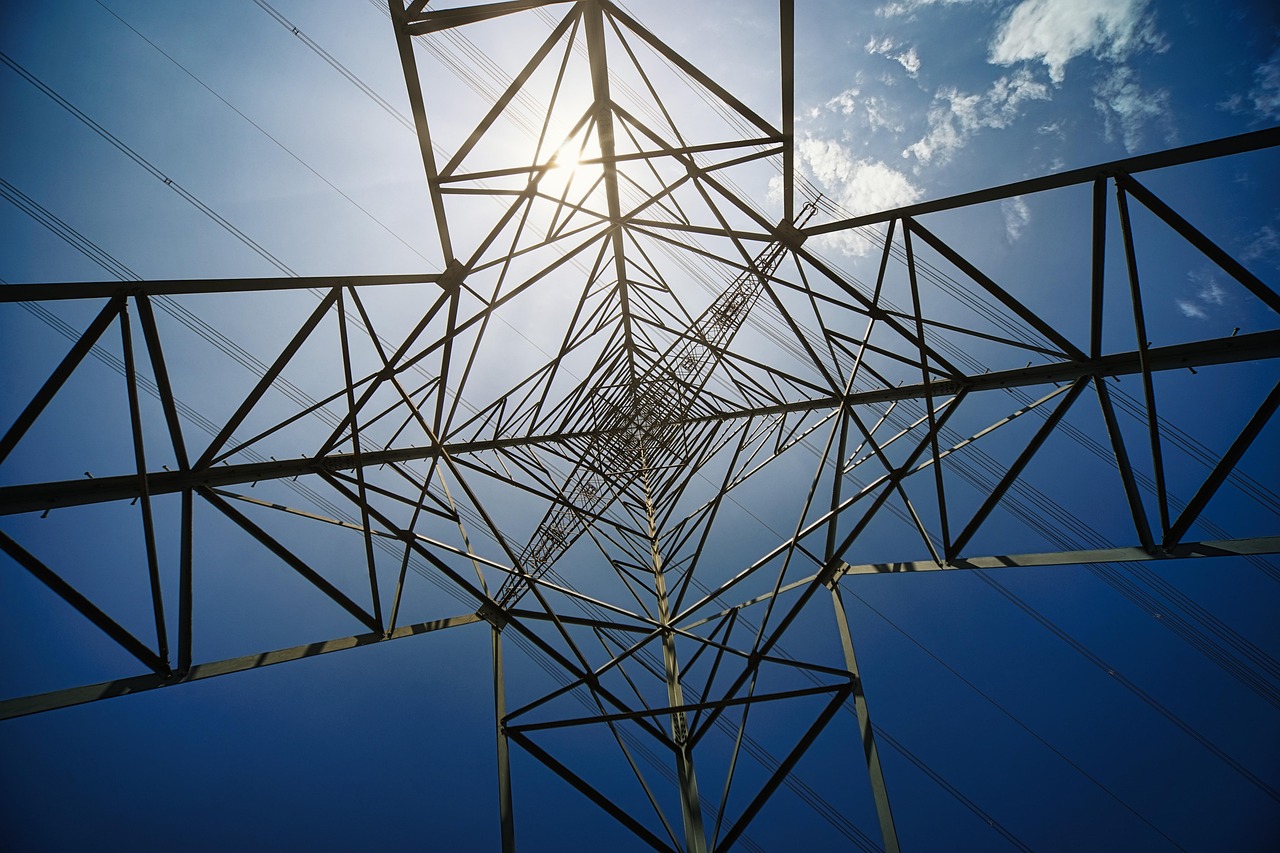
Grid-scale storage represents the most immediate opportunity for sodium-ion batteries. These systems support renewable energy systems by storing excess solar and wind power for later use. The cost-effective energy profile of sodium-ion technology aligns well with the economics of utility-scale projects where space constraints are minimal.
Key applications include:
Peak shaving and load balancing
Backup power systems
Microgrid support
Renewable energy integration
Electric Vehicles and Transportation
While premium electric vehicles will likely continue using high-energy-density lithium systems, sodium-ion batteries are finding applications in entry-level EVs, electric bicycles, and urban delivery vehicles. The lower cost structure enables manufacturers to offer more affordable electric transportation options.
Chinese manufacturers have already begun integrating sodium-ion batteries into production vehicles, demonstrating the technology’s commercial readiness. This real-world deployment provides valuable performance data and accelerates technology refinement.
Battery Market Innovation and Industry Trends
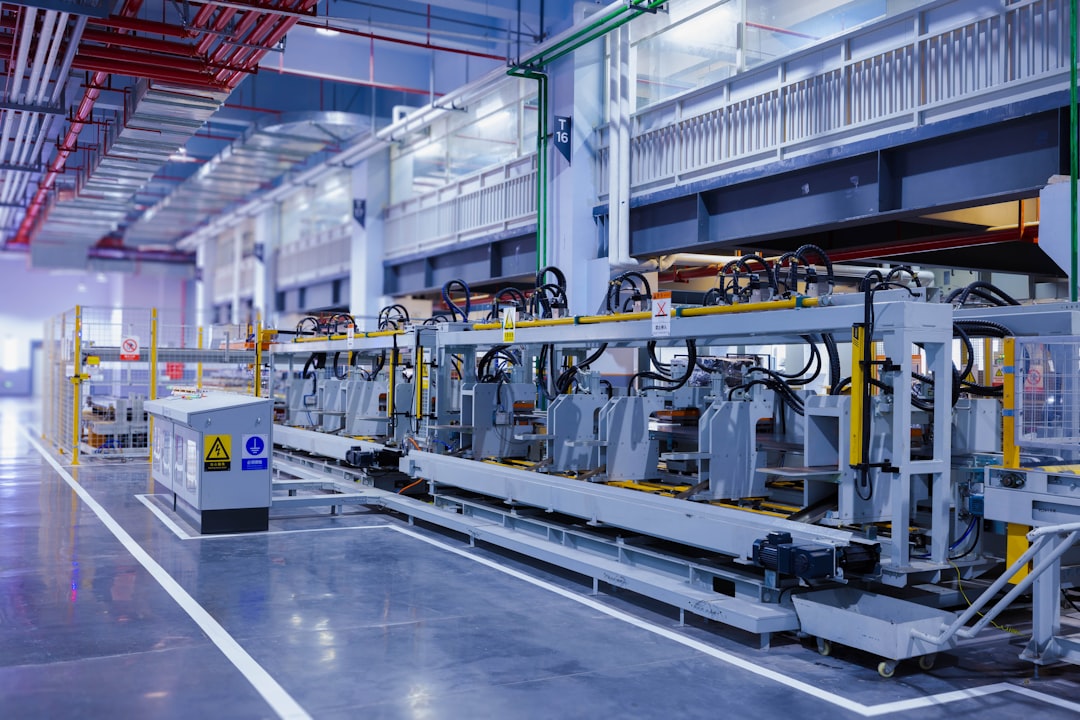
The battery market is responding positively to sodium-ion technology. Major battery manufacturers are establishing production facilities and forming strategic partnerships to scale production capacity. This industrial commitment signals confidence in the technology’s commercial viability.
Investment in research and development continues to push performance boundaries. Advances in electrode materials, electrolyte formulations, and manufacturing processes are steadily improving energy density, cycle life, and production economics.
Strategic Considerations for Stakeholders
Energy industry professionals should evaluate sodium-ion batteries within their specific use cases. The technology excels in applications where cost, safety, and sustainability take priority over maximum energy density. Organizations focused on renewable energy systems integration will find particular value in this technology.
For researchers and technology enthusiasts, sodium-ion batteries represent an active field with substantial room for advancement. Material science breakthroughs and manufacturing process improvements continue to emerge from academic and industrial laboratories worldwide.
Looking Forward
Sodium-ion batteries are transitioning from laboratory curiosity to commercial reality. This lithium-ion alternative addresses real market needs for cost-effective energy storage while supporting sustainability objectives. The technology will not replace lithium-ion systems entirely but will instead serve complementary market segments where its characteristics provide optimal value.
As production scales and technology matures, sodium-ion batteries will play an increasingly important role in the global energy transition. Organizations that understand this technology’s capabilities and limitations can position themselves to benefit from its continued development and deployment.
The path forward requires continued investment in research, manufacturing infrastructure, and application development. For those willing to engage with this emerging technology, sodium-ion batteries offer meaningful opportunities to contribute to a more sustainable and economically accessible energy future.
Learn more about sodium-ion battery technology:
Frequently Asked Questions
What are the main advantages of sodium-ion batteries over lithium-ion?
Sodium-ion batteries offer several key benefits: lower material costs due to abundant sodium resources, reduced supply chain risks, safer operation with lower thermal runaway potential, and a smaller environmental footprint. While they currently have lower energy density than premium lithium-ion systems, they excel in applications where cost and safety are priorities.
How long do sodium-ion batteries last?
Modern sodium-ion batteries achieve 3,000 to 5,000 charge-discharge cycles in typical applications, which translates to 8 to 10 years of service life in most energy storage systems. This durability makes them suitable for both stationary storage and transportation applications where long-term reliability is essential.
Are sodium-ion batteries currently available for commercial use?
Yes, sodium-ion batteries have entered commercial production and are being deployed in real-world applications. Chinese manufacturers have integrated them into electric vehicles, and multiple companies are producing systems for stationary energy storage. The technology has moved beyond the prototype stage into active market deployment.
What applications are best suited for sodium-ion battery technology?
Sodium-ion batteries perform best in grid-scale energy storage, renewable energy integration, backup power systems, entry-level electric vehicles, and applications where cost matters more than maximum energy density. They are particularly well-suited for stationary installations where space is not a limiting factor.
Will sodium-ion batteries replace lithium-ion technology?
Sodium-ion batteries will complement rather than replace lithium-ion technology. Each serves different market segments based on specific performance requirements and cost considerations. Lithium-ion will likely continue dominating applications requiring maximum energy density, while sodium-ion will capture markets prioritizing cost, safety, and sustainability.
BriTech Group, Inc.
BriTech Group plays a pivotal role in connecting talented engineers with leading companies at the forefront of cutting edge technology advancements and other leading innovations. Our expertise helps bridge the gap between demand and supply of skilled technical personnel, fostering a dynamic environment for growth and innovation. To explore more about our spotlights on pioneering technology and innovation, check out this article. For more information about our services, visit BriTech Group.