

Delving into how IoT is Advancing Smart Manufacturing
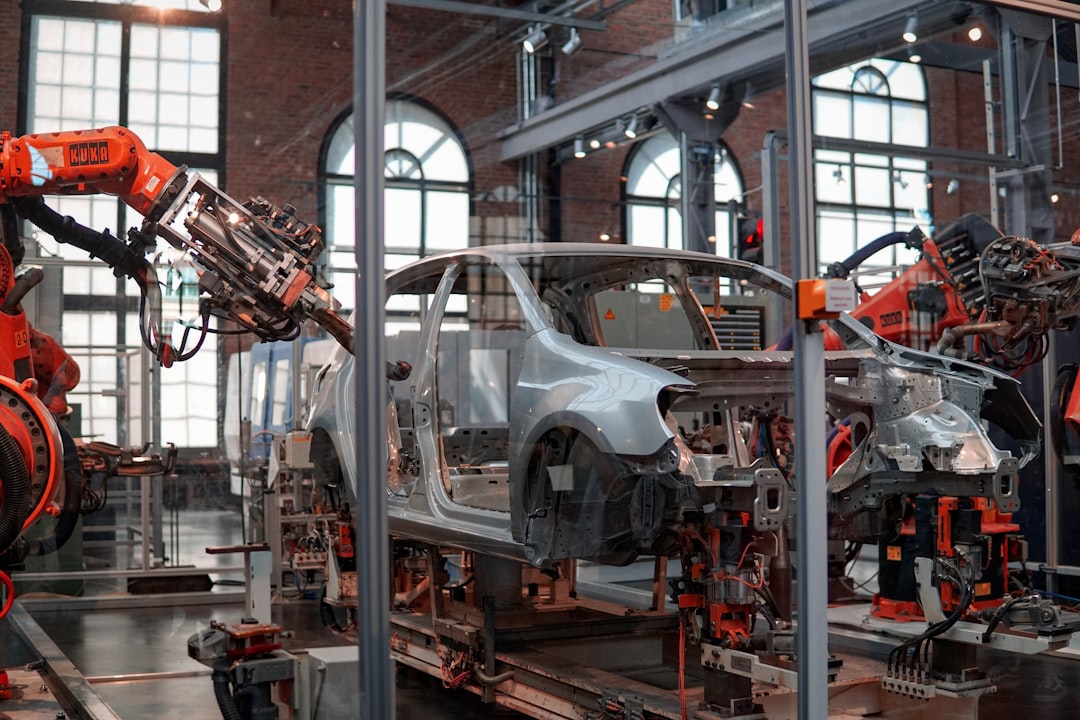
Smart factories are no longer a distant vision—they are reshaping how manufacturing works right now. If you’re still relying on outdated processes, you’re missing out on how IoT in manufacturing drives real-time monitoring, predictive maintenance, and data-driven decision-making. This post breaks down the technologies powering this shift and shows you how interconnected devices cut downtime and costs. Keep reading to see how your factory can join the manufacturing transformation.
Understanding IoT in Manufacturing
The Internet of Things has become a cornerstone of modern production facilities. IoT in manufacturing refers to the network of physical devices, sensors, and equipment connected through the internet to collect and exchange data. These interconnected devices communicate with each other and central systems to create a responsive, intelligent production environment.
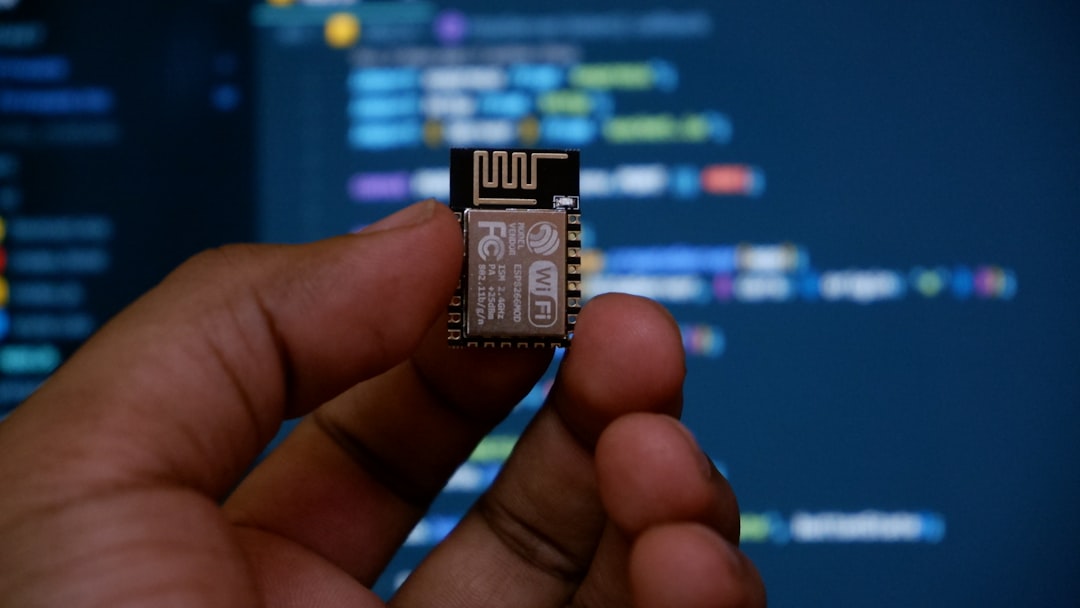
Manufacturing professionals are seeing firsthand how this technology changes daily operations. Sensors embedded in machinery track performance metrics, environmental conditions, and product quality in ways that were impossible just a few years ago. This connectivity forms the foundation of smart factories, where every piece of equipment contributes to a larger intelligence network.
Core Technologies Enabling Smart Factories
Sensor Networks and Data Collection
At the heart of smart factories lie sophisticated sensor networks that monitor every aspect of production. These devices track:
Temperature and humidity levels
Machine vibration and performance metrics
Energy consumption patterns
Product quality indicators
Supply chain movements
The data collected flows continuously to centralized platforms where it can be analyzed and acted upon. This real-time monitoring capability gives you visibility into operations that traditional methods simply cannot match.
Cloud Computing and Edge Processing
Modern manufacturing operations rely on both cloud-based systems and edge computing to process the massive amounts of data generated by IoT devices. Cloud platforms provide scalable storage and processing power, while edge computing allows for immediate analysis at the device level. This combination ensures that critical decisions can be made instantly when needed, while long-term trends are captured for strategic planning.

Operational Benefits of IoT Implementation
Predictive Maintenance Strategies
One of the most significant advantages of IoT in manufacturing is the shift from reactive to predictive maintenance. Traditional maintenance schedules either perform unnecessary service or miss critical issues. Predictive maintenance uses data from interconnected devices to identify potential failures before they occur.
Your maintenance teams can now focus their efforts where they are truly needed. Sensors detect anomalies in equipment behavior, such as unusual vibrations or temperature spikes, and alert staff to investigate. This approach reduces unexpected downtime by up to 50% in many facilities and extends equipment lifespan significantly.
Enhanced Operational Efficiency
Smart factories achieve higher operational efficiency through several mechanisms:
Automated quality control systems that catch defects immediately
Optimized production schedules based on real-time demand
Reduced waste through precise resource allocation
Improved energy management across facilities
Streamlined inventory management with automatic reordering
These improvements translate directly to your bottom line. Manufacturers implementing IoT solutions typically see production increases of 10-30% while reducing operational costs by similar margins.
Data-Driven Decision-Making in Practice
The true power of IoT in manufacturing lies in enabling data-driven decision-making at every level of your organization. Floor managers can adjust production schedules based on current machine performance. Quality teams can identify trends that indicate process drift before defects occur. Executives can make strategic investments based on comprehensive operational data rather than intuition alone.
This approach removes guesswork from manufacturing operations. When you have accurate, real-time data about every aspect of production, you can make informed decisions that improve outcomes. The manufacturing transformation happening across industries is fundamentally about moving from experience-based to evidence-based management.
Implementation Considerations
Building Your IoT Infrastructure
Starting your smart factory journey requires careful planning. Begin by identifying the areas where real-time monitoring would provide the most value. Focus on:
High-value equipment prone to costly failures
Bottleneck processes that limit overall production
Quality-critical operations where defects are expensive
Energy-intensive systems with optimization potential
A phased approach allows you to demonstrate value quickly while building expertise within your team. Start with pilot projects that address specific pain points before expanding to facility-wide implementation.
Workforce Development
Your team needs the skills to work effectively with IoT systems. Invest in training that covers:
Basic sensor technology and data interpretation
System monitoring and alert response
Predictive maintenance principles
Data analysis fundamentals
The most successful smart factories pair technology with skilled professionals who understand both manufacturing processes and digital tools. Your existing workforce brings valuable process knowledge that, when combined with IoT capabilities, creates a powerful competitive advantage.
Looking Forward
The evolution of smart factories continues at a rapid pace. Artificial intelligence and machine learning are being integrated with IoT systems to create even more sophisticated predictive capabilities. Digital twins allow manufacturers to simulate and test changes before implementing them on the factory floor. 5G connectivity enables faster data transmission and more responsive systems.
For manufacturing professionals, the message is clear: IoT in manufacturing is not a future trend but a current reality that is reshaping the industry. The interconnected devices that enable real-time monitoring, predictive maintenance, and data-driven decision-making are accessible and proven. The question is not whether to adopt these technologies but how quickly you can implement them to maintain competitiveness.
Your path to operational efficiency through smart factory technologies starts with understanding what is possible and taking the first steps toward implementation. The manufacturing transformation is underway, and the tools to participate are available now.
Frequently Asked Questions
What is IoT in manufacturing and how does it work?
IoT in manufacturing refers to a network of connected sensors, devices, and equipment that collect and exchange data to improve production processes. These interconnected devices communicate through the internet to provide real-time insights into operations, enabling automated responses and informed decision-making across your facility.
How does predictive maintenance differ from traditional maintenance schedules?
Predictive maintenance uses data from sensors to identify potential equipment failures before they occur, rather than following fixed time-based schedules. This approach reduces unnecessary maintenance, prevents unexpected breakdowns, and can cut downtime by up to 50% while extending equipment life.
What are the first steps to implementing IoT in a manufacturing facility?
Start by identifying high-value areas where real-time monitoring would have the greatest impact, such as expensive equipment or bottleneck processes. Implement a pilot project to demonstrate value and build team expertise before expanding to facility-wide systems. This phased approach minimizes risk while delivering measurable results.
How much can manufacturers save by implementing IoT solutions?
Manufacturers typically see production increases of 10-30% while reducing operational costs by similar margins through IoT implementation. Specific savings vary based on facility size, current processes, and implementation scope, but most organizations achieve positive ROI within 12-24 months.
Do existing employees need special training to work with IoT systems?
Yes, your team will need training in sensor technology, data interpretation, system monitoring, and predictive maintenance principles. The good news is that your existing workforce already understands your manufacturing processes, so they can quickly learn to combine that knowledge with IoT tools to create significant value.
BriTech Group, Inc.
BriTech Group plays a pivotal role in connecting talented engineers and leaders with growing companies at the forefront of cutting edge technology advancements and other leading innovations. Our expertise helps bridge the gap between demand and supply of skilled technical personnel, fostering a dynamic environment for growth and innovation. To explore more about our spotlights on pioneering technology and innovation, check out this article. For more information about our services, visit BriTech Group.