

Understanding the Ethical Responsibility of Wearable Technology: A Look at Smart Glasses Implications
Meta Ray-Ban smart glasses are reshaping how we capture moments, but they also bring serious privacy concerns for you and those around you. With cameras and voice controls always on, questions about consent and surveillance can’t be ignored. This post breaks down the ethical responsibility tied to wearable technology and reveals what you need to know about protecting user privacy in a more connected world. Learn more about smart glasses privacy risks.
The Rise of Smart Glasses and Privacy Concerns
Wearable technology has entered a new phase with devices like Meta Ray-Ban smart glasses becoming more accessible to everyday consumers. These devices blend fashion with function, allowing users to record video, take photos, and interact with digital assistants through voice commands. While the technology offers convenience, it raises significant questions about camera surveillance and the boundaries of acceptable use in public spaces.
The core issue centers on one fundamental question: when does personal convenience cross the line into invasion of privacy? Unlike smartphones that require visible action to record, smart glasses can capture footage discreetly, making it difficult for bystanders to know when they’re being recorded.
Smart Glasses Implications for Bystander Privacy
The Consent Challenge
Public consent becomes complicated when wearable technology can record continuously without clear indicators. Traditional photography and video recording provide visual cues that allow people to object or move away. Smart glasses eliminate many of these signals, creating an environment where individuals may be recorded without their knowledge or agreement.
Key concerns include:
Lack of visible recording indicators that bystanders can easily identify
Potential for recording in sensitive locations such as gyms, medical facilities, or private businesses
Difficulty enforcing existing privacy laws when technology outpaces regulation
Risk of unauthorized sharing of recorded content on social media platforms
Surveillance in the Connected World
As our connected world becomes more integrated with wearable technology, the line between public and private spaces continues to blur. Meta Ray-Ban smart glasses can stream live video, store footage in the cloud, and share content instantly. This capability creates new surveillance possibilities that extend beyond the immediate moment of recording.
The implications affect multiple stakeholders:
Businesses concerned about trade secrets and proprietary information
Parents worried about their children being recorded without permission
Individuals in vulnerable situations who require privacy protections
Public venues struggling to enforce recording policies
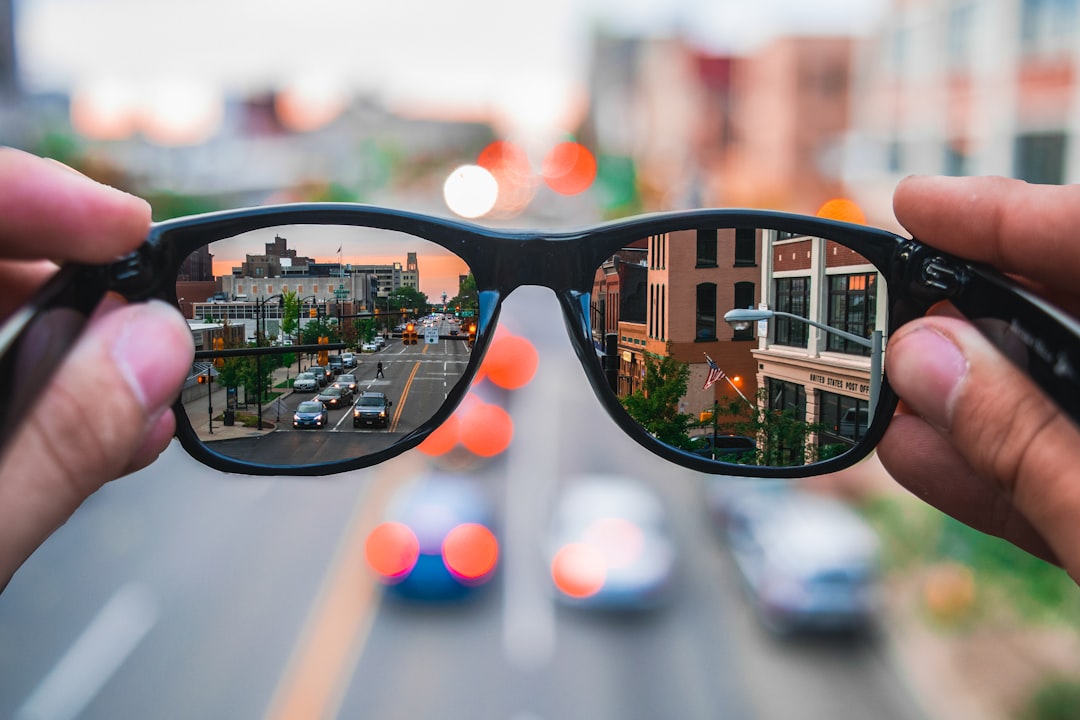
Ethical Responsibility of Manufacturers and Users
Manufacturer Obligations
Technology companies bear significant ethical responsibility when bringing products like smart glasses to market. This responsibility includes designing features that respect user privacy while maintaining functionality. Manufacturers should consider:
Building prominent visual or audio indicators when recording is active
Creating default settings that prioritize privacy over convenience
Providing clear user education about appropriate use cases
Establishing partnerships with privacy advocates to address concerns proactively
User Accountability
Owners of Meta Ray-Ban smart glasses must recognize their role in protecting the privacy of those around them. Responsible use requires awareness and restraint. Best practices include:
Informing people when you’re recording in private or semi-private settings
Respecting posted policies prohibiting recording devices
Avoiding use in locations where privacy expectations are high
Understanding local laws regarding consent and recording
Addressing Privacy Concerns Through Action
Regulatory Frameworks
Current laws often struggle to keep pace with emerging technology. Policymakers need to consider updates that specifically address wearable technology and camera surveillance. This includes establishing clear guidelines about:
When and where recording devices can be used
Requirements for notification and consent
Penalties for misuse or unauthorized recording
Rights of individuals who have been recorded without permission
Technical Solutions
The technology industry can implement features that balance innovation with privacy protection. Potential solutions include:
Geofencing capabilities that disable recording in restricted areas
Enhanced visual indicators such as bright LED lights during active recording
Automatic deletion features for accidental recordings
Opt-in rather than opt-out privacy settings
Cultural Shifts
Beyond regulation and technology, society needs to develop new social norms around wearable technology. This includes open conversations about acceptable use, education programs for consumers, and community guidelines that reflect shared values about privacy and respect.
Moving Forward Responsibly
The smart glasses implications extend far beyond individual devices. They represent a broader shift in how we interact with technology and each other in public spaces. As consumers, we must weigh the benefits of wearable technology against the potential costs to collective privacy.
Privacy advocates, manufacturers, users, and policymakers all play critical roles in shaping how these devices integrate into daily life. By acknowledging privacy concerns openly and working toward solutions that protect everyone, we can create a framework for responsible use of Meta Ray-Ban smart glasses and similar devices.
The future of wearable technology depends on our ability to balance progress with ethical responsibility. Making informed choices today will determine whether smart glasses become tools that enhance our lives or sources of persistent surveillance that erode trust and privacy in our connected world.
For deeper analysis on these concerns, the Electronic Frontier Foundation has raised important questions about the broader implications of these devices. Community discussions, such as this Reddit privacy forum conversation, highlight growing public awareness and concern about surveillance technology.
Frequently Asked Questions
Can people tell when Meta Ray-Ban smart glasses are recording?
Meta Ray-Ban smart glasses include a small LED indicator that lights up during recording. The indicator is relatively small and may not be easily visible in all lighting conditions or angles. Many privacy advocates argue this notification system is insufficient for protecting bystander privacy in public spaces.
Are there laws against recording people with smart glasses?
Laws vary by location, but most jurisdictions have consent requirements for audio recording. Video recording in public spaces is generally legal in the United States, though private property owners can prohibit it. Some states require two-party consent for audio recordings, which would apply to smart glasses with microphones.
What should I do if someone is recording me with smart glasses without permission?
You have the right to ask someone to stop recording you, especially in private settings. If you’re on private property, inform the property owner or management. In public spaces, your options are more limited, but you can move away from the person or ask them directly to respect your privacy.
How can manufacturers make smart glasses more privacy-friendly?
Manufacturers can implement brighter recording indicators, louder audio alerts, automatic geofencing to disable recording in sensitive areas, and default privacy settings that require explicit user action to record. They can also provide better user education about ethical use and partner with privacy organizations to develop best practices.
Should businesses ban smart glasses from their premises?
Businesses should evaluate their specific privacy needs and customer expectations. Locations handling sensitive information, medical facilities, gyms, and changing areas have strong justification for banning recording devices. Clear signage and staff training help enforce these policies while respecting customers who use smart glasses for accessibility purposes rather than recording.
BriTech Group, Inc.
BriTech Group plays a pivotal role in connecting talented engineers and leaders with growing companies at the forefront of cutting edge technology advancements and other leading innovations. Our expertise helps bridge the gap between demand and supply of skilled technical personnel, fostering a dynamic environment for growth and innovation. To explore more about our spotlights on pioneering technology and innovation, check out this article. For more information about our services, visit BriTech Group.