

The Biotech Breakthrough Redefining Sustainable Materials: An In-Depth Look at Spider Silk
Spider silk has teased scientists for decades: tougher than steel, lighter than cotton, yet nearly impossible to produce in large amounts. Now, Kraig Biocraft Laboratories claims a breakthrough by rewriting silkworm genetics to spin this elusive fiber. Their latest success with the giant spider silk gene from Darwin’s bark spider could finally bring this natural fiber from lab curiosity to sustainable material reality. Keep reading to see what this biotech breakthrough means for the future of materials.
Understanding the Spider Silk Challenge
Why Spider Silk Matters
Spider silk represents one of nature’s most remarkable materials. The fiber demonstrates:
Tensile strength exceeding steel by weight
Elasticity comparable to rubber
Biodegradability that surpasses synthetic alternatives
Lightweight properties ideal for multiple applications
Material engineers have pursued spider silk for applications ranging from medical sutures to aerospace components. The challenge has always been production scale. Spiders produce limited quantities and cannot be farmed like traditional livestock due to their territorial and cannibalistic behaviors.
The Production Problem
Traditional attempts to manufacture spider silk have encountered significant obstacles:
Chemical synthesis fails to replicate the protein structure
Bacterial fermentation produces incomplete proteins
Spider farming remains commercially unviable
Previous genetic engineering attempts yielded insufficient quantities
The Kraig Biocraft Laboratories Approach
Silkworm Genetics as the Solution
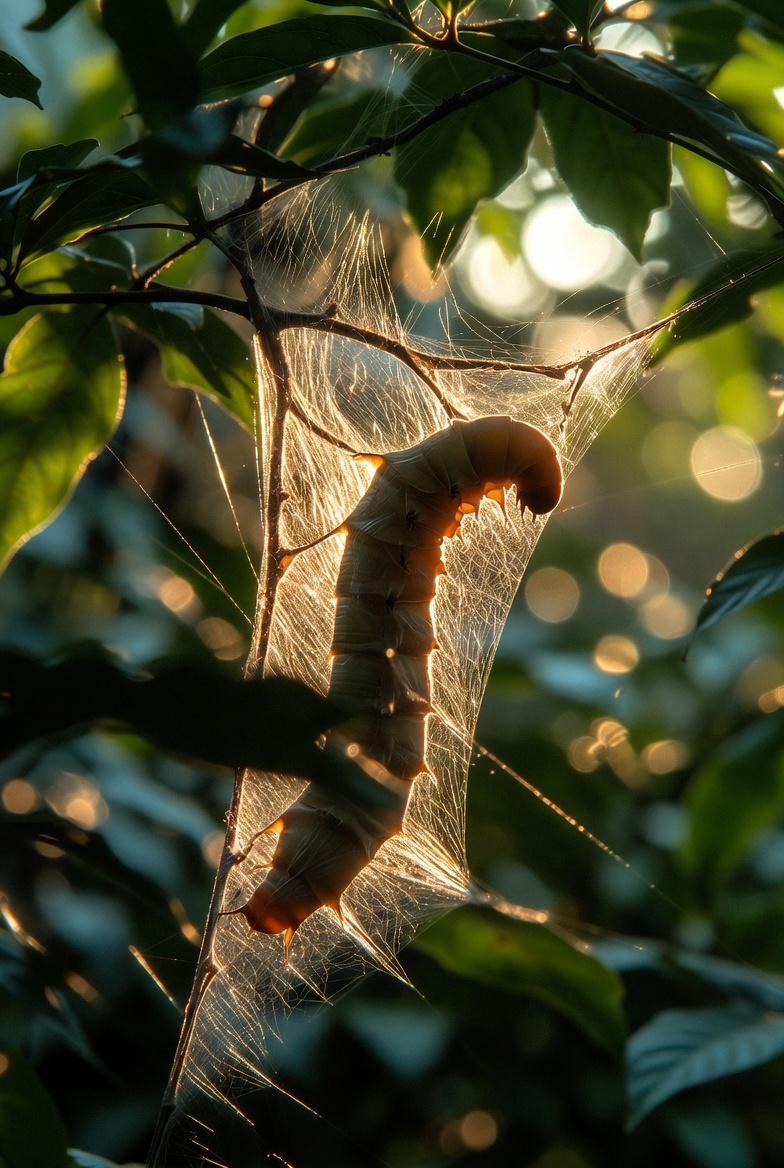
Kraig Biocraft Laboratories took a different path. Rather than attempting to farm spiders or synthesize the material chemically, the company focused on silkworm genetics. Silkworms already produce silk at commercial scale, with established infrastructure and centuries of domestication.
The biotech breakthrough came from inserting spider silk protein genes directly into silkworm DNA. This approach allows the modified silkworms to produce hybrid silk that combines the desirable properties of spider silk with the production efficiency of traditional sericulture.
The Darwin’s Bark Spider Gene
In early 2025, the company announced a record achievement in biotechnology advancements. The team successfully inserted the largest spider silk gene ever introduced into silkworm genetics. This gene came from Darwin’s bark spider, an orb-weaver species native to Madagascar.
Darwin’s bark spider produces silk with exceptional properties:
Toughness exceeding all other known spider silks
Ability to span rivers with web anchors over 25 meters long
Protein structure that provides superior strength and elasticity
The inserted gene measures nearly twice the size of previous attempts. This size matters because larger genes typically encode for longer protein chains, which contribute to superior mechanical properties in the resulting fiber.
Technical Implications and Applications
Material Properties
The spider silk produced through modified silkworms shows promising characteristics for sustainable materials applications. Early testing indicates the fiber maintains many properties that make natural spider silk desirable while benefiting from the consistency of controlled production.
Scientists and material engineers can now access quantities sufficient for rigorous testing and product development. This availability represents a significant shift from previous research constraints where limited material prevented comprehensive analysis.
Potential Applications
The biotechnology advancements from Kraig Biocraft Laboratories open possibilities across multiple sectors:
Medical devices requiring biocompatible materials
Protective equipment demanding high strength-to-weight ratios
Textile products seeking sustainable alternatives to synthetics
Aerospace components where weight reduction matters
Military applications requiring durable, lightweight materials
The Path to Commercial Production
Scaling Considerations
Moving from laboratory success to commercial production requires addressing several factors:
Consistency across silkworm generations
Yield optimization per cocoon
Processing methods that preserve silk properties
Cost competitiveness with existing materials
Regulatory approvals for various applications
Kraig Biocraft Laboratories reports progress on multiple fronts. The company maintains breeding programs designed to improve yield and consistency while developing processing techniques suited to the hybrid fiber.
Market Readiness
The sustainable materials market continues growing as industries seek alternatives to petroleum-based synthetics. Spider silk produced through modified silkworms offers several advantages:
Renewable production using established sericulture practices
Biodegradable end products
Reduced environmental impact compared to synthetic fiber production
Performance characteristics exceeding many conventional materials
Looking Forward
The successful insertion of Darwin’s bark spider genes into silkworm genetics represents meaningful progress in natural fibers research. This biotech breakthrough demonstrates that genetic engineering can address longstanding material science challenges.
For scientists and biotechnology enthusiasts, this development opens new research directions. The techniques developed by Kraig Biocraft Laboratories could apply to other desirable proteins beyond spider silk.
Material engineers now have access to a fiber that was previously theoretical. The coming years will reveal whether spider silk can transition from promising material to practical solution across various industries.
The combination of silkworm genetics and spider silk proteins shows how biotechnology advancements can bridge the gap between natural materials and commercial viability. As production scales and applications develop, this approach may redefine what sustainable materials can achieve.
BriTech Group, Inc.
BriTech Group excels in connecting skilled engineers, management, and C-level executives with leading companies at the forefront of cutting-edge technology and innovation. Our expertise bridges the gap between the demand and supply of high-caliber technical personnel, promoting a dynamic environment for growth and advancement. To learn more about our focus on pioneering technology and innovation, check out this article. For more information about our services, visit BriTech Group.