
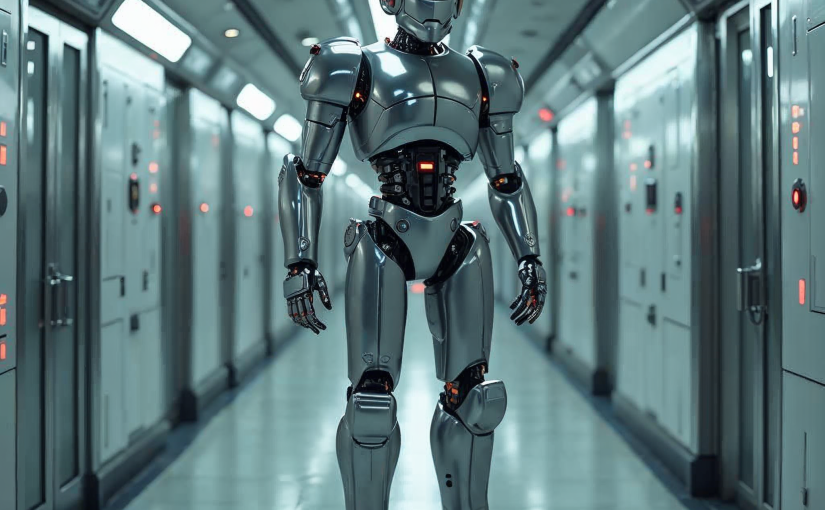
Tesla Optimus Robot: A Glimpse into the Future of Humanoid Robotics and AI
Forget everything you know about robots as mere factory tools. The Tesla Optimus Robot steps into your world not just as a machine, but as a humanoid robot ready to change how work gets done. This blend of robotics and AI promises to reshape the future of work and the impact on labor market in ways few have imagined. Keep reading to see how this new automation technology could bring robotic assistance into everyday life and boost productivity like never before.
Overview of Tesla Optimus Robot
The Tesla Optimus Robot stands as a turning point in how machines interact with humans. This humanoid creation brings together years of AI research with practical applications that extend far beyond factory floors.
Key Features and Capabilities
The Optimus Robot comes packed with abilities that set it apart from typical industrial robots. Standing at human height with a weight of approximately 125 pounds, this humanoid can lift up to 150 pounds and carry about 45 pounds with its arms extended.
What makes Optimus truly remarkable is its brain. The neural network processing system allows it to learn tasks through observation rather than strict programming. You might show it how to stack boxes once, and it can repeat the task with different box sizes without extra coding.
The robot’s hands deserve special attention. With 11 degrees of freedom, they can handle objects as delicate as eggs or as awkward as furniture. This dexterity opens doors to tasks ranging from elder care to warehouse work.
Battery life extends to a full workday—about 8-10 hours on a single charge. This practical runtime means the robot can complete meaningful work without constant recharging breaks.
Elon Musk has suggested that future versions might even perform precise tasks like surgery, showing the vast potential of this platform.
Design and Development Process
Tesla’s approach to creating Optimus broke from traditional robotics development methods. Rather than building a robot first and figuring out uses later, Tesla started with real-world problems that needed solving.
The company pulled talent from its autonomous vehicle team, bringing over expertise in computer vision and decision-making algorithms. This cross-pollination helped Optimus learn to navigate unpredictable environments—a critical skill for any robot working alongside humans.
Tesla built Optimus with cost-effectiveness in mind. Unlike research robots that cost millions, Tesla aims to make Optimus available for under $20,000 eventually. This price point would make the technology accessible to small businesses and potentially even households.
The development team faced their biggest challenge with movement. Getting a robot to walk smoothly across uneven surfaces required thousands of hours of simulation and real-world testing. The current version walks at a human-like pace and can navigate stairs and ramps—critical abilities for working in spaces built for people.
Tesla’s iterative design process means each new version brings major improvements. The latest prototype shows 30% faster movement and 20% longer battery life than its predecessor from just eight months ago.
Impact on Robotics and AI
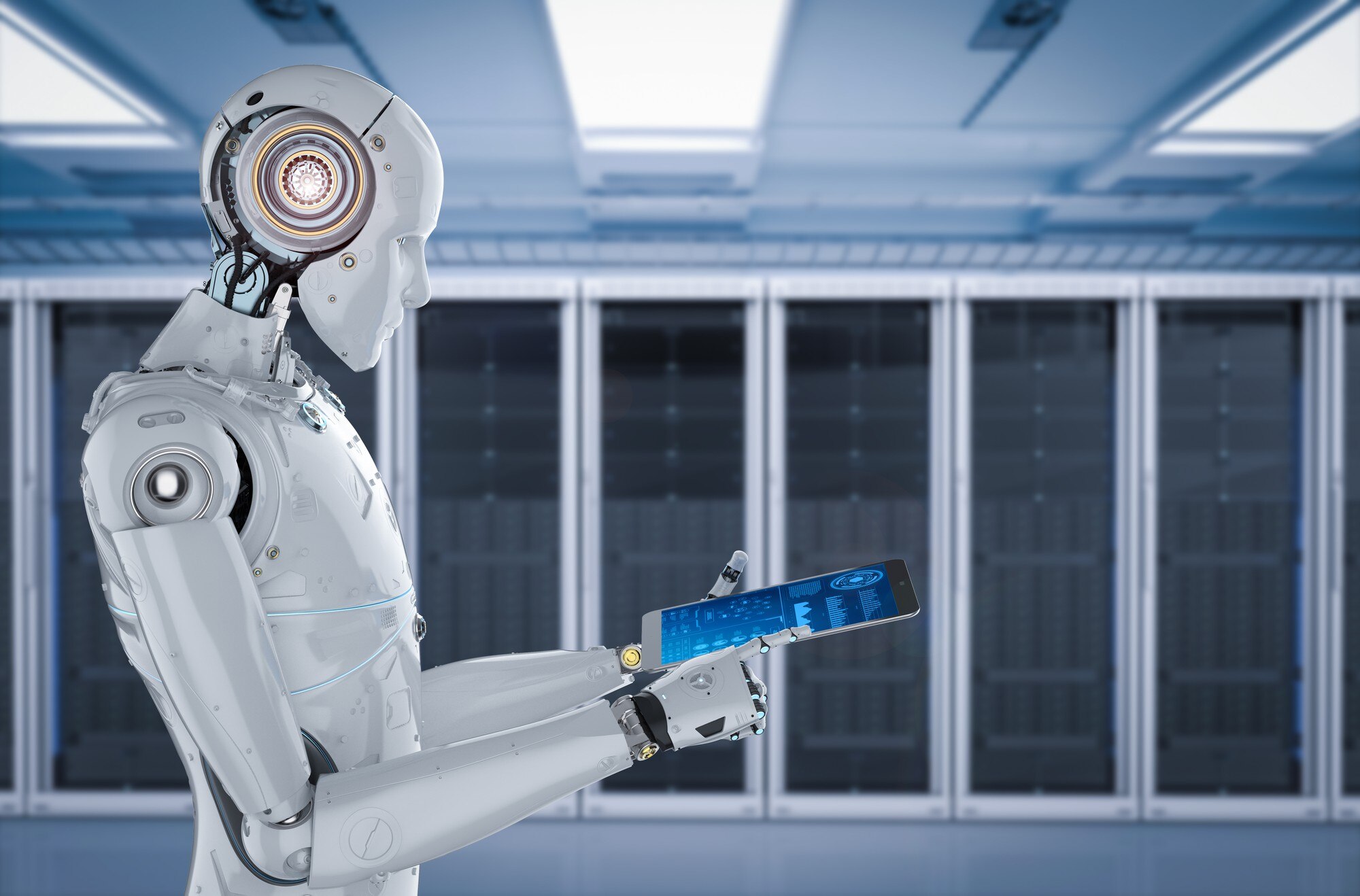
The Tesla Optimus represents more than just another robot—it signals a shift in how we think about machines working alongside humans in everyday settings.
Advancements in Automation Technology
The Optimus Robot pushes automation technology forward through its remarkable adaptability. Unlike fixed-function robots that perform the same task repeatedly, Optimus can switch between tasks without hardware changes or complex reprogramming.
This flexibility comes from its advanced visual processing system. The robot uses eight cameras and a custom AI chip to build a real-time 3D map of its surroundings. When you place it in a new environment, it doesn’t need pre-loaded floor plans—it figures out the space on its own.
Perhaps most impressive is how Optimus learns. The robot can pick up new skills through demonstration. Show it how to fold clothes a few times, and it creates its own understanding of the task. This learning approach cuts training time by up to 70% compared to traditional programming methods.
The power management system marks another breakthrough. Tesla designed a custom battery system that balances weight with runtime, solving a problem that has limited humanoid robots for years. Research published in Robotics shows this power-to-weight ratio exceeds previous humanoid designs by nearly 40%.
For businesses, this means robots that can adapt to changing needs without costly downtime or specialist programmers—a game-changer for small and medium companies.
Enhancing Productivity in Industries
The arrival of Optimus robots in workplaces promises to reshape how teams get work done across multiple sectors. Manufacturing plants stand to gain the most immediate benefits, with early tests showing productivity jumps of 25-30% when Optimus handles repetitive tasks.
In warehouses, these robots excel at tasks humans find physically demanding. A single Optimus can sort packages for eight hours straight without breaks, fatigue, or injury risk. This consistency translates to fewer errors and smoother operations throughout the supply chain.
Healthcare settings benefit from Optimus in unexpected ways. The robot can handle basic patient transfers, medication delivery, and room sanitization—freeing medical staff to focus on specialized care that requires human touch and judgment. One hospital trial found nurses gained back nearly two hours per shift for direct patient care.
Construction sites represent another frontier. Optimus can carry tools and materials across uneven terrain, hold items in place during installation, and perform basic assembly tasks. The robot’s ability to work safely alongside humans—rather than in isolated zones—makes it practical for busy job sites with changing conditions.
What sets Optimus apart is its ability to switch between tasks as needed. During slow periods, the same robot that unloads trucks can be reassigned to inventory management or cleaning duties without complex setup changes.
Future Implications and Societal Changes
As Tesla’s Optimus and similar robots mature, they’ll touch aspects of daily life far beyond the factory floor, creating ripple effects throughout society.
Robotic Assistance for Aging Population
The global aging crisis creates perfect timing for humanoid robots like Optimus. With adults over 65 projected to double by 2050, there simply won’t be enough caregivers to meet demand using traditional methods.
Optimus robots could fill critical gaps in elder care. Their strength makes them ideal for physical assistance—helping people stand from chairs, get in and out of bed, or catch someone who begins to fall. This support could extend independent living by 3-5 years for many seniors.
The robot’s ability to learn routines makes it valuable for medication management. Optimus can track complex medication schedules, provide timely reminders, and even open difficult packaging. This consistent support reduces missed doses—a problem that sends thousands of seniors to hospitals yearly.
Beyond physical help, these robots address the growing problem of social isolation. While not replacing human connection, they can facilitate video calls with family, play games, or simply provide a presence in the home. Studies of humanoid robots in elder care show reduced feelings of loneliness even with limited interaction capabilities.
For families caring for aging parents, Optimus could provide much-needed respite care. The robot can handle overnight monitoring, allowing family caregivers to sleep without worrying about falls or wandering—reducing burnout and enabling more sustainable care arrangements.
Impact on Labor Market and Future of Work
The arrival of capable humanoid robots will reshape job markets—but not in the simplistic “robots take jobs” narrative often portrayed. The changes will be more nuanced and potentially positive for many workers.
Physical jobs with high injury rates will see the biggest shifts. Warehouse picking, construction labor, and manufacturing assembly—roles with high turnover and worker shortages—will increasingly become robot-assisted. Workers in these fields will need to adapt to supervisory and maintenance roles.
New job categories will emerge around robot deployment. Robot trainers who teach new tasks, robot maintenance technicians, and AI oversight specialists represent growing career paths. These roles combine technical knowledge with human judgment—making them difficult to automate.
Small businesses gain access to capabilities once limited to large corporations. A neighborhood grocery store could lease an Optimus to stock shelves overnight, allowing the same budget to employ more customer service staff during business hours. This redistribution of work plays to human strengths in creativity and relationship building.
Education systems will need updating to prepare workers for this new reality. Skills in robot interaction, basic programming concepts, and technical troubleshooting will become as fundamental as computer literacy is today. Schools introducing these concepts now will give students a head start.
The most promising future isn’t robots replacing humans, but teams of humans and robots working together—each handling the tasks they do best. This collaboration could create workplaces with less drudgery and more meaningful human contribution.
As we move into this new era of human-robot teamwork, the companies that thrive will be those that find the right balance—using automation to handle repetitive tasks while investing in their human workforce’s unique creative and interpersonal abilities.
BriTech Group plays an essential role in connecting skilled engineers with leading companies at the cutting edge of technological advancements and other innovative developments. Our expertise bridges the gap between the demand for and supply of talented technical personnel, fostering a dynamic setting for growth and innovation. To explore our insights on pioneering technology and innovation, check out this article. For further information about our services, visit Britech Group