

The Rise of Multi-use Ocean Platforms: Energy and Food Production at Sea
Most ocean developments focus on a single purpose, wasting vast potential at sea. The Space@Sea project challenges this by designing modular islands that serve as energy transportation hubs, living spaces, and food production sites all at once. These multi-use ocean platforms promise a future where marine spaces support multiple needs while keeping ecological impact low. Keep reading to see how this EU collaboration is reshaping sustainable marine technology.
Multi-use Ocean Platforms Unveiled
Ocean space offers vast untapped potential for human activities beyond traditional shipping and fishing. The concept of multi-use ocean platforms brings a fresh approach to marine resource management.
Concept of Modular Islands
Modular islands represent a breakthrough in marine engineering. These platforms consist of standardized floating modules that connect to form larger structures based on specific needs.
The beauty of this design lies in its flexibility. Each module serves as a building block that can be arranged in countless configurations. Think of them as giant LEGO pieces that snap together at sea, creating customizable platforms.
Engineers design these modules with standardized connection points, allowing for quick assembly and reconfiguration as needs change. A platform might start small with just a few modules for research, then expand to include energy production or living quarters as demand grows.
The modular approach also means damaged sections can be replaced without dismantling the entire structure. This reduces maintenance costs and extends the overall lifespan of these ocean platforms.
Low Ecological Impact Design
Creating structures at sea demands careful attention to environmental protection. Multi-use ocean platforms employ design principles that minimize disruption to marine ecosystems.
These platforms use materials tested for marine compatibility, preventing harmful chemicals from leaching into the water. The floating design eliminates the need for seafloor foundations, preserving bottom habitats critical for many species.
Researchers have studied how different platform shapes affect wave patterns and currents around the structures. This helps engineers create designs that won’t disrupt natural water movement or cause erosion in nearby coastal areas.
Studies published in Frontiers in Marine Science show that with proper planning, these platforms can actually create new marine habitats. Fish and invertebrates often gather around man-made structures, potentially increasing local biodiversity when designed with ecological principles in mind.
EU Collaborative Projects and Influence
The European Union has become a driving force behind multi-use ocean platform development through strategic funding and cross-border collaboration.
EU research initiatives bring together experts from different countries, creating diverse teams with complementary skills. Marine engineers work alongside environmental scientists, energy specialists, and food production experts to tackle complex challenges from multiple angles.
This collaborative approach speeds up innovation by sharing knowledge across borders. When Dutch engineers discover a better module connection system, Italian environmental scientists can immediately apply it to their ecological impact models.
The EU framework also ensures consistent standards across projects. This means technologies developed in different countries can work together seamlessly, avoiding the compatibility problems that often plague international engineering efforts.
Space@Sea Project Insights
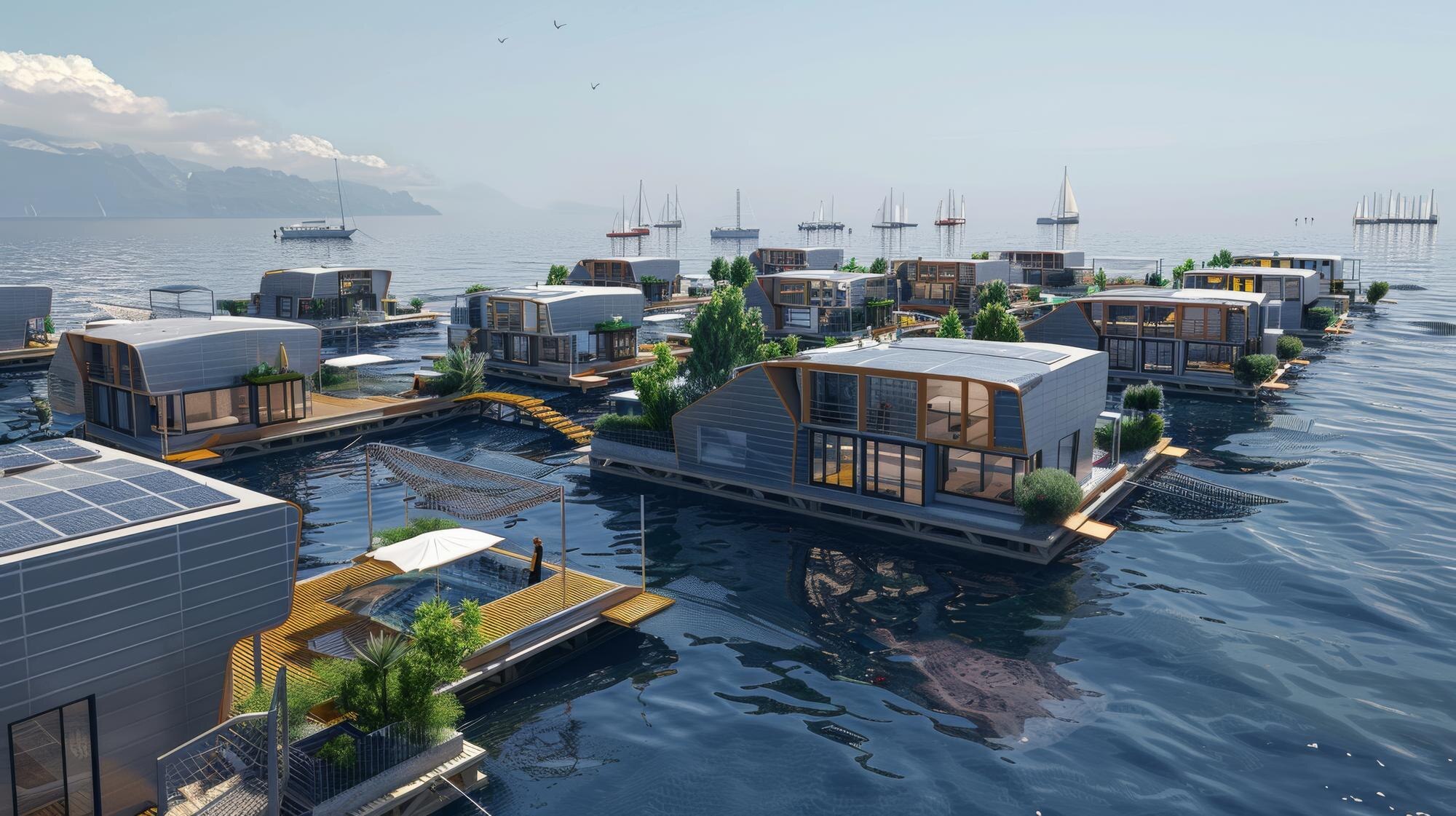
The Space@Sea initiative stands out as a pioneering effort in multi-use ocean platform development. This project demonstrates how marine spaces can serve multiple functions simultaneously.
Energy and Transportation Hubs
Space@Sea platforms create powerful synergies between energy production and transportation logistics at sea. These floating hubs generate power while serving as transfer points for goods and people.
Offshore wind turbines mounted on the platforms capture energy from consistent sea breezes. This positioning avoids the land-use conflicts that often plague onshore wind farms while accessing stronger, more reliable winds available at sea.
The platforms also function as maritime transportation nodes. Ships can dock directly at these structures to load or unload cargo, refuel, or transfer passengers. This eliminates the need for multiple trips to shore, cutting fuel consumption and emissions.
For remote ocean operations, these hubs provide crucial support infrastructure. Maintenance vessels servicing nearby wind farms or aquaculture operations can use the platforms as staging areas, reducing travel time and extending their operational range.
Research published in Science Direct indicates these combined functions create economic efficiencies that make offshore operations more viable than when energy and transportation systems operate separately.
Marine Living Space Potential
The ocean offers new possibilities for human habitation through carefully designed living spaces on multi-use platforms. These marine residences could help address coastal population pressures.
Space@Sea designs include comfortable, functional living quarters for both permanent residents and temporary workers. These spaces feature natural lighting, weather protection, and amenities comparable to land-based housing.
The platforms can support various community needs. Recreational areas provide spaces for physical activity and social gathering, while shared facilities like dining halls foster community connections among residents.
For workers at offshore energy installations or aquaculture operations, on-site housing eliminates long commutes by boat. This improves safety during rough weather and allows for faster response to equipment issues or emergencies.
These marine living spaces must overcome unique challenges. Engineers design robust systems for fresh water production, waste management, and stable foundations that minimize motion sickness during rough seas.
Food Production at Sea
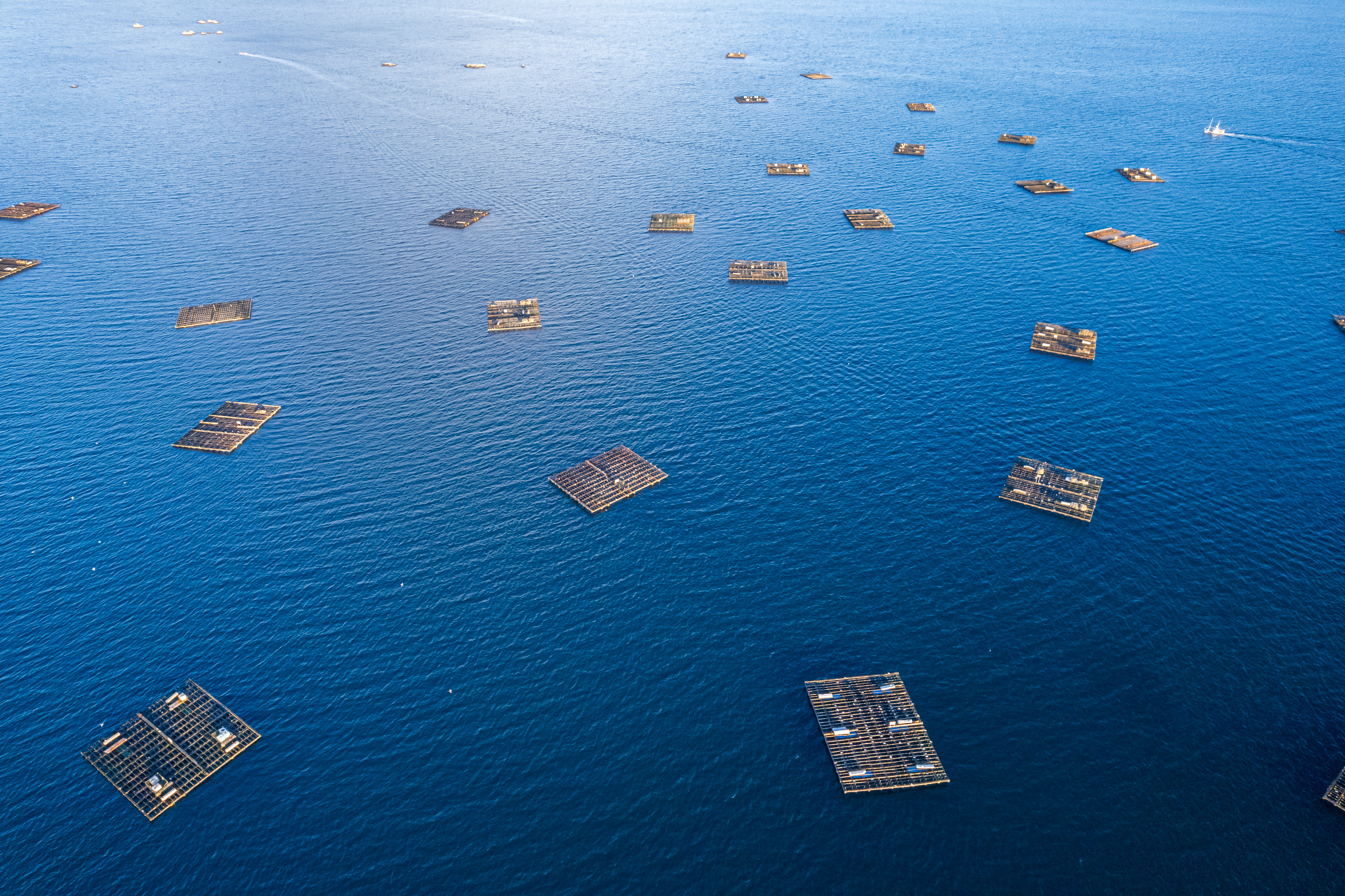
Ocean platforms open new frontiers for sustainable food production without consuming precious land resources. The Space@Sea project integrates aquaculture systems directly into its floating modules.
These platforms support various forms of marine farming. Fish pens can be attached below the modules, while tanks on the platform surface allow for controlled cultivation of high-value species like shrimp or shellfish.
The proximity of different operations creates resource-sharing opportunities. Waste from fish farming can be filtered and used as nutrients for seaweed or shellfish production, creating mini ecosystems that maximize resource efficiency.
Platform designs include processing facilities that allow for immediate handling of harvested seafood. This reduces spoilage and transportation costs while ensuring premium quality products reach consumers.
The European Commission’s aquaculture knowledge base notes that these integrated food production systems could significantly increase Europe’s seafood self-sufficiency while reducing pressure on wild fish stocks.
Sustainable Marine Technology Advancements
The development of multi-use ocean platforms has accelerated innovation in marine technologies. These advances focus on making offshore operations more sustainable and resilient.
Integration of Renewable Energy
Multi-use platforms serve as perfect testing grounds for marine renewable energy technologies that power operations without fossil fuels. This integration makes platforms self-sufficient while advancing clean energy solutions.
Solar panels cover available surface areas on these structures, capturing abundant sunlight reflected off the water surface. Engineers position these panels to maximize exposure throughout the day while withstanding salt spray and occasional wave splash.
Wave energy converters attach to platform edges, transforming ocean motion into electricity. These devices capture energy from the constant movement of waves, providing power even when the sun isn’t shining.
Energy storage systems solve the intermittency problem of renewables. Advanced batteries store excess energy during peak production periods, ensuring consistent power supply for critical operations during nighttime or calm seas.
The combination of multiple renewable sources creates a reliable power system. When solar production drops on cloudy days, wave energy picks up the slack, resulting in more stable energy output than single-source systems.
Supporting Marine Biodiversity
Smart design choices allow multi-use platforms to support rather than harm marine ecosystems. These structures can become artificial reefs that enhance local biodiversity.
Platform undersides feature textured surfaces that encourage marine life attachment. Small ridges and crevices provide perfect homes for barnacles, mussels, and other foundation species that attract larger marine life.
Gaps between modules create protected areas where fish can shelter from predators and rough seas. These spaces function similarly to natural reefs, providing crucial habitat in areas that might otherwise be open water.
Light management systems minimize disruption to marine life. Downward-facing lights use wavelengths less visible to marine species, reducing the disorientation that bright lights can cause to fish and other sea creatures.
Regular monitoring programs track biodiversity around the platforms. Scientists conduct surveys to document species composition and abundance, using this data to refine designs that best support healthy marine ecosystems.
Future Prospects and Developments
The coming decade promises exciting advances in multi-use ocean platform technology as research findings translate into commercial applications. These developments will expand what’s possible at sea.
New materials research focuses on creating lighter, stronger, and more durable components. Composite materials that resist corrosion while maintaining structural integrity will extend platform lifespans and reduce maintenance needs.
Automation systems will improve platform operations. Remote monitoring technologies and autonomous maintenance robots will decrease the need for human presence, making these installations safer and more cost-effective.
Weather prediction integration will enhance platform safety. Advanced systems will anticipate storms and automatically adjust platform configurations to minimize damage from high waves or strong winds.
The scaling potential remains enormous. What starts as small demonstration projects today could evolve into floating communities or industrial centers tomorrow, creating new possibilities for sustainable development at sea.
As coastal areas face increasing pressure from rising populations and climate change, these floating platforms offer practical solutions for expanding human activities while protecting vulnerable shorelines.
BriTech Group, Inc.
BriTech Group excels in connecting skilled engineers, management, and C-level executives with leading companies at the forefront of cutting-edge technology and innovation. Our expertise bridges the gap between the demand and supply of high-caliber technical personnel, promoting a dynamic environment for growth and advancement. To learn more about our focus on pioneering technology and innovation, check out this article. For more information about our services, visit BriTech Group.