

Boston University’s Breakthrough: Low-Cost MRI Technology Transforms Healthcare
MRI scans have long been tied to bulky machines that cost thousands to operate. Boston University’s latest MRI innovation challenges that norm with wireless coil sensors that cost just $50 and fit right on the body. Recognized by Time as one of the best inventions, this low-cost MRI technology could change how magnetic resonance imaging works in healthcare for good.
Revolutionizing Medical Imaging with Affordable Technology
The $50 Solution to an Expensive Problem
Traditional magnetic resonance imaging systems represent a substantial investment for healthcare facilities, often costing millions to purchase and thousands to maintain. The groundbreaking research from Boston University addresses this challenge head-on with an approach that could make MRI technology more accessible worldwide.
Led by Xin Zhang, Distinguished Professor of Engineering at Boston University, the research team has created wireless coil sensors that attach directly to patients’ bodies. These flexible devices weigh less than an AA battery and cost approximately $50 to produce – a fraction of conventional MRI equipment costs.
Recognition as a Game-Changing Innovation
The significance of this low-cost MRI technology has been formally acknowledged by Time magazine, which named it among the best inventions of the year. This marks the second consecutive year that Boston University has received this prestigious recognition, following last year’s inclusion of BU technology that powers a skin cancer detection device.
In its commendation, Time highlighted how this MRI innovation might soon allow magnetic resonance imaging to move beyond “costly, bulky hospital machines.” The magazine specifically praised the practical attributes of the wireless coil sensors – their bendable design, lightweight properties, and remarkably low cost.
Technical Aspects and Practical Applications
How the Technology Works
The wireless coil sensors function as receivers for the radio frequency signals produced during an MRI scan. Unlike conventional rigid coils that must be positioned at specific distances from the body, these flexible sensors conform to the patient’s anatomy, allowing for more precise data collection.
This close positioning to the area being scanned results in:
Higher signal-to-noise ratios
More detailed images
Faster scan times
Reduced need for image processing
Potential Impact on Healthcare Delivery
The implications of this healthcare technology advancement extend far beyond cost savings. Medical facilities in remote or under-resourced areas could potentially offer MRI services that were previously impossible due to financial constraints or infrastructure limitations.
For patients, the benefits include:
More comfortable scanning experiences
Reduced appointment times
Potentially lower costs for procedures
Access to diagnostic imaging in previously underserved locations
For healthcare providers, the advantages encompass:
Lower equipment investment requirements
Reduced operational costs
Increased patient throughput
Enhanced diagnostic capabilities
Future Directions and Market Potential
Scaling Production and Distribution
As Boston University continues to refine this magnetic resonance imaging breakthrough, questions remain about manufacturing scale-up and regulatory approval processes. The team is reportedly working with industry partners to establish production pipelines that maintain the low cost while ensuring consistent quality.
Research and Development Continuity
Professor Zhang’s team is not resting on their laurels. Ongoing research aims to further improve the wireless coil sensors by:
Extending battery life
Enhancing signal reception capabilities
Developing specialized versions for specific body regions
Creating software solutions that maximize image quality
The Broader Context of MRI Innovation
This breakthrough exists within a larger ecosystem of efforts to make medical imaging more accessible globally. While traditional MRI machines will continue to serve important purposes in major medical centers, complementary technologies like Boston University’s wireless coil sensors represent a parallel track of development focused on accessibility and affordability.
The recognition by Time as one of the best inventions places this work alongside other transformative technologies that are reshaping healthcare delivery models worldwide. As medical systems globally face pressure to control costs while expanding access, innovations that fundamentally rethink established technologies become increasingly valuable.
For healthcare professionals, researchers, and technology enthusiasts tracking developments in medical imaging, Boston University’s low-cost MRI technology represents an exciting shift in thinking about how essential diagnostic tools can evolve to meet 21st-century healthcare challenges.
Boston University’s MRI Innovation
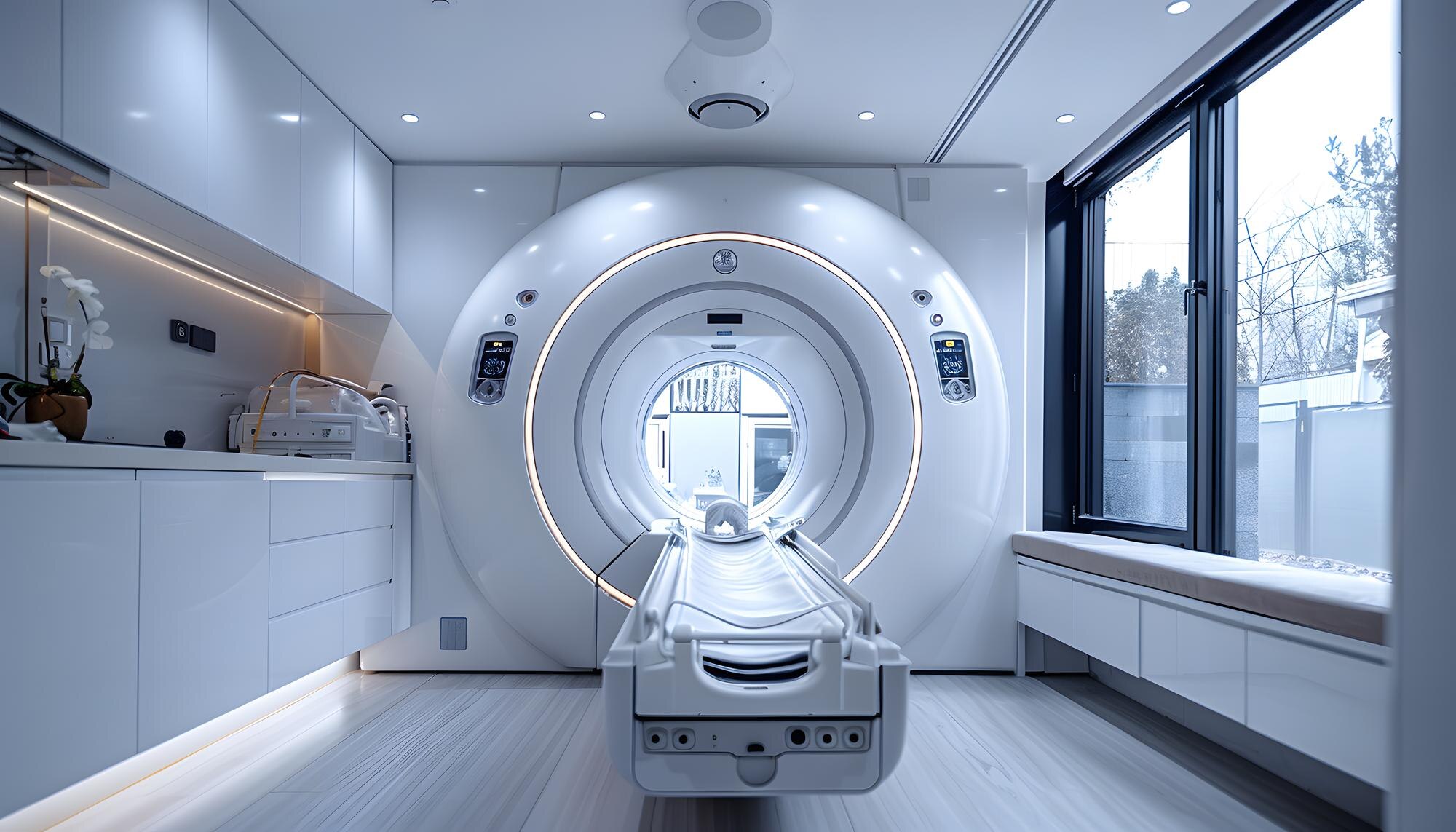
Boston University researchers have created a breakthrough that challenges everything we know about MRI technology. This innovation strips away the barriers that have kept magnetic resonance imaging locked in expensive hospital settings for decades.
From Concept to Time Recognition
The journey of BU’s wireless MRI coils began in the lab of Distinguished Professor Xin Zhang, where her team focused on a fundamental problem: making MRI technology more accessible. The research centered on creating flexible sensors that could work with existing MRI machines while dramatically reducing costs.
What makes this achievement remarkable is the rapid transition from research concept to recognized innovation. The team developed a working prototype that proved the concept wasn’t just theoretical but practically applicable in real-world settings.
Time magazine featured the wireless coils among its Best Inventions, noting how they could free MRI scanning from “costly, bulky hospital machines.” This marks back-to-back recognition for Boston University, which had another medical device honored the previous year.
The recognition brings attention not just to the product but to the entire approach of reimagining established medical technologies through cost-conscious design.
Key Features of Low-Cost MRI Technology
The wireless coil sensors represent a complete rethinking of how MRI components function. Traditional MRI coils are rigid, heavy, and expensive to manufacture, but BU’s version weighs less than an AA battery and costs approximately $50 to produce.
These flexible sensors attach directly to the body, creating a snug fit that improves signal quality. The direct contact with the area being scanned allows for clearer images with less interference, potentially reducing the need for repeat scans.
The wireless nature of these coils eliminates the tangle of cables typically associated with MRI procedures. This not only makes the scanning process more comfortable for patients but also simplifies the workflow for technicians operating the equipment.
Perhaps most impressive is how these coils work with existing MRI infrastructure. Hospitals and clinics can adopt this technology without replacing their current MRI machines, making implementation practical and cost-effective.
Impact on Healthcare
The ripple effects of Boston University’s MRI innovation extend far beyond the technology itself. This breakthrough has the potential to reshape access to critical diagnostic tools across healthcare systems worldwide.
Cost Reduction in Magnetic Resonance Imaging
MRI scans rank among the most expensive medical procedures, with costs ranging from $500 to $3,000 per scan in the United States. The high price tag stems largely from the expensive equipment and specialized facilities needed to house and operate traditional MRI machines.
Boston University’s $50 wireless coil sensors attack this cost problem directly. By replacing components that typically cost thousands of dollars with affordable alternatives, the overall expense of performing MRIs could drop significantly.
For hospitals and imaging centers, this means potential savings that could be passed on to patients or insurance providers. The reduced equipment costs might allow facilities to offer more competitive pricing or increase the number of scans they can perform.
In regions with limited healthcare resources, the cost barrier to MRI technology has meant that many patients simply go without this valuable diagnostic tool. The dramatic price reduction represented by BU’s innovation could make magnetic resonance imaging viable in settings where it was previously unaffordable.
Advancements with Wireless Coil Sensors
The wireless aspect of BU’s MRI coils creates practical benefits that go beyond cost savings. Traditional MRI procedures often require patients to remain perfectly still in uncomfortable positions while surrounded by bulky equipment. The new coil design improves this experience dramatically.
Because the sensors are lightweight and conform to the body, patients experience less discomfort during scans. This is particularly valuable for children, elderly patients, or those with mobility issues who struggle with standard MRI procedures.
The flexibility of the coils allows them to work with different body types and scan locations without requiring multiple specialized coils. This versatility reduces the equipment inventory needed by imaging centers and simplifies the setup process for technicians.
Image quality also benefits from the direct contact between the sensors and the body. Research from Boston University shows that these wireless coils can capture clearer images in some applications, potentially reducing the need for contrast agents or extended scan times.
Future of Medical Imaging

The healthcare technology landscape stands at a crossroads, with Boston University’s MRI innovation pointing toward a more accessible future. This breakthrough may signal the beginning of a broader shift in how we approach medical imaging.
Potential Shifts in Healthcare Technology
The success of low-cost MRI technology challenges the assumption that advanced medical equipment must be expensive. This mindset shift could spark similar innovations across other imaging modalities like CT scans, ultrasound, or PET scanning.
Medical facilities might soon adopt a hybrid approach to imaging technology. Large central hospitals could maintain traditional high-powered MRI machines for specialized needs, while smaller clinics or mobile units could use the more affordable wireless systems for routine scans.
Global health disparities in access to diagnostic imaging could narrow as the cost barrier falls. Countries with developing healthcare systems might leapfrog directly to these newer, more affordable technologies rather than investing in outdated expensive systems.
The patient experience stands to improve dramatically with these changes. Imagine MRI procedures that feel less clinical and intimidating, with comfortable sensors that work with your body rather than forcing you to adapt to the machine.
Boston University’s Role in Advancing MRI Technology
Boston University has positioned itself at the forefront of practical medical innovation with this breakthrough. The recognition from Time magazine highlights not just the technology but also the university’s approach to research that solves real-world problems.
Professor Xin Zhang’s leadership in this project demonstrates how academic research can translate directly into solutions that benefit patients. Her engineering team focused not just on the technical aspects but on creating something that would work in real clinical settings.
The university continues to refine the technology based on feedback from medical professionals. This ongoing development process ensures that the final product will meet the practical needs of healthcare providers rather than remaining a laboratory curiosity.
Boston University’s success with this project establishes a template for how academic institutions can bridge the gap between research and practical application. By focusing on both technical excellence and real-world usability, they’ve created a model for healthcare innovation that other universities might follow.
BriTech Group, Inc.
BriTech Group is instrumental in connecting skilled engineers with top companies leading advancements in cutting-edge technology and innovation. We specialize in both contract and direct hire positions, bridging the gap between the demand for and supply of skilled technical personnel. This dual expertise fosters a dynamic environment for growth and innovation. To learn more about our highlights on pioneering technology and innovation, check out this article. For additional details about our services, visit Britech Group