

Drone Inspections in Utilities: Improving Operational Efficiency and Environmental Safety
Drone inspection has changed how utilities keep their networks safe and reliable. You’ve seen how slow, risky manual checks can leave critical problems unnoticed. Now, smart systems using AI wildfire detection and cloud-edge integration sharpen your ability to spot faults early and manage distributed energy resources better. This shift not only boosts operational efficiency in energy but also strengthens environmental safety, setting the stage for smarter, climate-ready energy infrastructure.
The Technological Revolution in Utility Inspections
Advancing Beyond Traditional Methods
The utility sector has long relied on manual inspections that are time-consuming, hazardous, and often incomplete. Traditional methods require workers to climb towers, navigate difficult terrain, or use helicopters to access remote infrastructure. These approaches present safety risks to personnel and can miss critical issues due to human limitations.
Drone inspection technology represents a significant leap forward. Unmanned aerial vehicles equipped with high-resolution cameras, thermal imaging, and other sensors can access difficult locations with greater ease and collect more detailed data than human inspectors. This technological shift is reshaping how utilities maintain their assets and respond to potential threats.
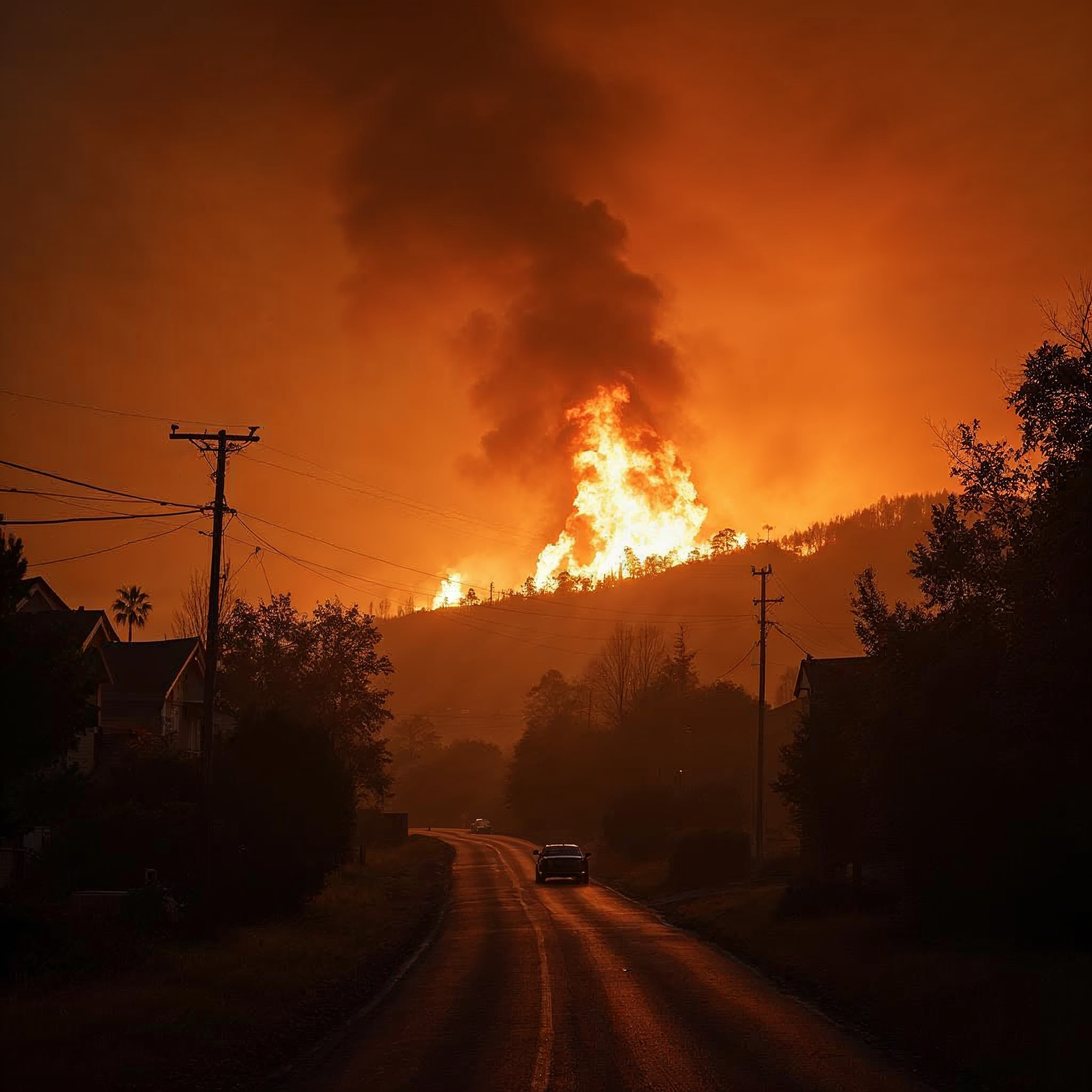
AI Wildfire Detection: A Game-Changer for Preventive Maintenance
Among the most important applications of drone technology in utilities is AI wildfire detection. Power lines in forested or dry areas can spark fires when damaged or when surrounding vegetation grows too close. Drones equipped with AI systems can:
Identify vegetation encroachment with precision
Detect equipment anomalies before they cause sparks
Monitor high-risk areas during dangerous weather conditions
Create detailed maps of potential hazard zones
The integration of AI with drone platforms allows for pattern recognition that human inspectors might miss. These systems can detect subtle changes in infrastructure condition or surrounding environments that signal potential fire risks.
Operational Benefits of Drone-Based Inspection Systems
Enhanced Data Collection and Analysis
Drone inspection platforms generate vast amounts of visual and sensor data that can be processed through cloud-edge integration systems. This technological combination allows utilities to:
Process inspection data in near real-time
Compare current conditions against historical baselines
Prioritize maintenance based on risk assessments
Create predictive maintenance schedules
The granularity of data collected by drones far exceeds what traditional methods can achieve. A single drone flight can capture thousands of high-resolution images that can be analyzed for microscopic cracks, corrosion, or other early warning signs of failure.
DER Management Technology Integration
As distributed energy resources (DER) become more common across utility networks, drone inspection systems are proving valuable for their management. Solar arrays, small wind installations, and other distributed generation points require regular monitoring that can strain traditional inspection resources.
Drones can efficiently survey these distributed assets and feed data into DER management technology platforms. This integration helps utilities:
Monitor performance of distributed generation assets
Verify proper installation and maintenance
Identify potential issues before they affect grid stability
Optimize the placement and operation of new DER installations
Environmental and Safety Impacts
Reducing Carbon Footprint
Traditional utility inspections often rely on vehicles or aircraft that consume fossil fuels and produce carbon emissions. Drone inspection platforms operate on battery power, significantly reducing the carbon footprint of inspection operations. This alignment with climate change solutions helps utilities meet sustainability goals while improving operational practices.
Minimizing Environmental Disruption
Beyond carbon reduction, drone inspections minimize physical disruption to sensitive environments. Helicopter inspections can disturb wildlife and vegetation, while ground crews may need to clear paths through natural areas. Drones can operate with minimal noise and no ground disturbance, preserving habitats while still collecting necessary data.
Improving Worker Safety
Perhaps the most significant benefit is the reduction in risk to human inspectors. Utility infrastructure often exists in hazardous locations or contains dangerous components. By using drones for initial inspections, utilities can:
Reduce worker exposure to heights and falls
Minimize contact with energized equipment
Limit time spent in remote or dangerous terrain
Decrease weather-related risks to personnel
The Future of Energy Infrastructure Maintenance
As technology advancements in utilities continue, drone inspection platforms will become more autonomous, more capable, and more integrated with other utility systems. The combination of drone technology with AI analysis, cloud computing, and operational software creates a comprehensive approach to infrastructure maintenance that improves reliability while reducing costs.
For utilities facing increasing pressure to maintain service during extreme weather events while also reducing environmental impacts, drone inspection technology offers a pathway to meet these seemingly contradictory demands. By improving operational efficiency in energy delivery while supporting environmental safety goals, these systems represent an essential investment in modern utility operations.
Technology Advancements in Utilities
The pace of change in utility inspection technology is accelerating. New sensor types, improved battery life, and greater autonomy are making drones more capable with each generation. Future systems will likely include:
Longer flight times for expanded coverage
All-weather operation capabilities
Automated charging stations for continuous monitoring
Integration with ground-based robotics for complete inspection coverage
These improvements will allow utilities to shift from periodic inspections to continuous monitoring of critical infrastructure. Rather than discovering problems during scheduled checks, issues can be identified as they develop, allowing for truly preventive maintenance.
Resilient Infrastructure Challenges
Climate change and aging infrastructure present dual challenges for utility operators. More frequent extreme weather events test the limits of existing systems, while many components are approaching or exceeding their designed lifespan. Drone inspection helps address both issues by:
Providing rapid post-storm damage assessments
Identifying aging components before failure
Documenting infrastructure conditions for regulatory compliance
Supporting capital planning with detailed asset condition data
The ability to quickly assess damage after storms allows for faster service restoration and more efficient deployment of repair crews. This capability becomes increasingly valuable as weather events become more severe and frequent.
Operational Efficiency in Energy
The economic case for drone inspection continues to strengthen as the technology matures. Initial concerns about costs have given way to recognition of the substantial savings and performance improvements these systems deliver. Utilities implementing comprehensive drone inspection programs report:
30-50% reduction in inspection costs
60-80% decrease in inspection time
Identification of 2-3x more potential issues
Significant reductions in unplanned outages
These improvements in operational efficiency in energy delivery translate directly to better service for customers and stronger financial performance for utilities. The initial investment in drone technology typically pays for itself within 1-2 years through cost savings and avoided outages.
As utilities continue to face pressure to maintain reliability while controlling costs and reducing environmental impacts, drone inspection technology stands out as a rare solution that addresses all three concerns simultaneously. By improving data collection, reducing risks, and supporting preventive maintenance, these systems help utilities build the resilient, efficient infrastructure needed for the future.
BriTech Group, Inc.
BriTech Group is instrumental in connecting skilled engineers with top companies leading advancements in cutting-edge technology and innovation. We specialize in both contract and direct hire positions, bridging the gap between the demand for and supply of skilled technical personnel. This dual expertise fosters a dynamic environment for growth and innovation. To learn more about our highlights on pioneering technology and innovation, check out this article. For additional details about our services, visit Britech Group