
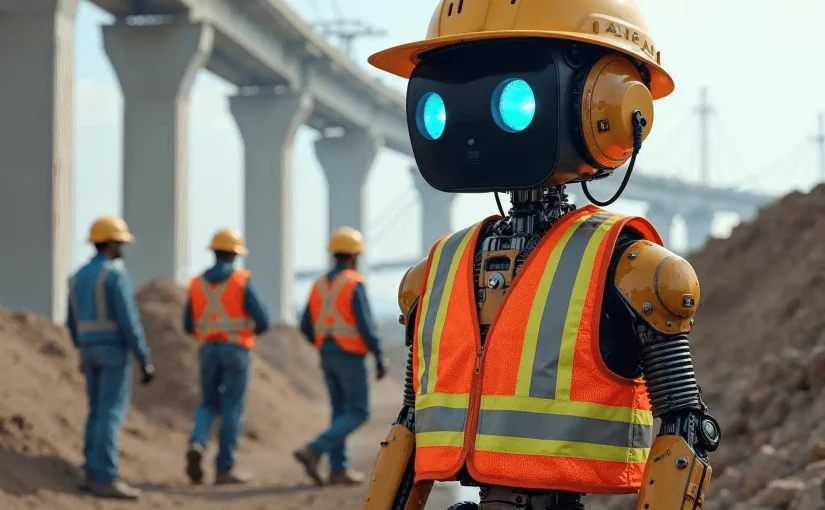
The Robots Shaping Tomorrow: Analyzing the Impact of Tesla’s Optimus and Boston Dynamics’ Innovations
As the world of robotics continues to advance, two frontrunners, Tesla’s Optimus and Boston Dynamics’ creations, are capturing significant attention. Tesla’s Optimus focuses on simplifying everyday tasks by automating labor-intensive roles in sectors like manufacturing and logistics. Meanwhile, Boston Dynamics’ robots, including Spot and Atlas, are engineered to navigate complex environments, making them suitable for fields such as construction, security, and disaster response. By examining the specific capabilities of these robots, we can gain insights into their potential impact on future workforces and industry operations. For a detailed comparison of these innovative robots, you can refer to this in-depth analysis.
Tesla’s Optimus: Automating Everyday Tasks
Tesla’s Optimus robot represents a significant leap in automating routine tasks. This section explores how Optimus is set to transform manufacturing, logistics, and other labor-intensive activities.
Enhancing Manufacturing and Logistics
Tesla’s Optimus is designed to boost efficiency in manufacturing and logistics sectors. The robot’s versatility allows it to perform various tasks on production lines and in warehouses.
Optimus can handle repetitive tasks such as assembly, packaging, and inventory management. Its precision and consistency contribute to improved product quality and reduced errors.
In logistics, Optimus can streamline operations by automating order fulfillment and material handling. This capability leads to faster processing times and more accurate inventory tracking.
The integration of Optimus in these sectors could result in significant cost savings and productivity gains for businesses. As discussed in this comparison, Optimus’s potential impact on manufacturing and logistics is substantial.
Streamlining Labor-Intensive Activities
Beyond manufacturing and logistics, Optimus has the potential to automate a wide range of labor-intensive tasks across various industries.
In agriculture, Optimus could assist with planting, harvesting, and crop maintenance. Its ability to work long hours without fatigue could help address labor shortages in this sector.
For the construction industry, Optimus could aid in tasks such as material transport, site cleanup, and basic assembly. This could lead to faster project completion times and improved worker safety.
In healthcare settings, Optimus could support medical staff by handling non-critical tasks like supply restocking and equipment transport. This would allow healthcare professionals to focus more on patient care.
The versatility of Optimus makes it a promising solution for many industries seeking to automate physically demanding or repetitive tasks.
Boston Dynamics’ Robotics: Versatile Applications
Boston Dynamics has developed a range of robots capable of navigating complex environments. This section examines the applications of their most notable creations, Spot and Atlas.
Spot and Atlas in Construction
Boston Dynamics’ robots, particularly Spot and Atlas, are finding innovative applications in the construction industry.
Spot, the quadruped robot, excels in site inspections and progress monitoring. Its ability to navigate uneven terrain and climb stairs makes it ideal for accessing hard-to-reach areas of construction sites.
Atlas, the humanoid robot, demonstrates potential for more complex construction tasks. Its bipedal design and advanced manipulation capabilities allow it to handle tools and materials in ways similar to human workers.
These robots can enhance safety by performing dangerous tasks or entering hazardous areas. As highlighted in this article, the integration of such robots in construction could lead to significant improvements in efficiency and worker safety.
Security and Disaster Response Potential
Boston Dynamics’ robots show promise in security and disaster response scenarios, where their mobility and adaptability are crucial assets.
In security applications, Spot can patrol areas autonomously, using cameras and sensors to detect anomalies or intruders. This capability allows for 24/7 surveillance without human fatigue.
For disaster response, both Spot and Atlas can access areas too dangerous for human responders. They can search for survivors, assess structural damage, or deliver supplies in hazardous environments.
These robots can also assist in environmental monitoring and wildlife conservation efforts. Their ability to traverse difficult terrain makes them suitable for tasks like tracking endangered species or monitoring forest health.
The versatility of Boston Dynamics’ robots makes them valuable assets in scenarios where human intervention might be risky or impractical.

Future Workforce: Robotic Integration
As robots like Optimus and Boston Dynamics’ creations become more advanced, their integration into the workforce is set to reshape various industries. This section explores the potential impact on industry roles and operational efficiency.
Shaping Industry Roles
The integration of advanced robots is likely to significantly alter job roles across industries.
Human workers may shift towards roles that require complex decision-making, creativity, and emotional intelligence. These are areas where humans still have a distinct advantage over robots.
New job categories may emerge, such as robot operators, maintenance technicians, and AI trainers. These roles will be crucial in managing and optimizing robotic systems.
Some traditional roles may be phased out, particularly those involving repetitive or physically demanding tasks. This shift could lead to a need for widespread reskilling and upskilling of the workforce.
The changing job landscape will likely spark debates about the societal impacts of widespread robotic integration, as discussed in various online forums.
Improving Operational Efficiency
The integration of robots like Optimus and Boston Dynamics’ creations is expected to significantly enhance operational efficiency across industries.
Robots can work continuously without breaks, leading to increased production output and faster task completion. This capability is particularly valuable in industries with 24/7 operations.
Automation can reduce human error, leading to improved quality control and consistency in product or service delivery. This aspect is crucial in industries where precision is paramount.
The use of robots in dangerous or physically demanding tasks can reduce workplace accidents and associated costs. This improvement in safety can lead to lower insurance premiums and fewer lost work hours.
As outlined in this research, the integration of robotics in various industries can lead to substantial improvements in productivity and resource utilization.
About BriTech Group
Welcome to BriTech Group, your trusted partner in sourcing top-tier technical talent for companies of all sizes. With a keen understanding of the evolving technology landscape, we are committed to bridging the gap between innovative employers and skilled job seekers in the tech industry. Our expertise lies in identifying and connecting the right candidates with organizations, ensuring a seamless integration that benefits both parties.
We leverage the latest in CRM and AI technologies to provide personalized and efficient recruitment solutions that meet the unique needs of our clients.
🔗 Visit our website to learn more about how we can help achieve your recruitment goals and check out our latest Tech Spotlight blog to stay updated on industry trends and insights.