

The Future of Deep-Sea Mining: Balancing Demand for Rare Earth Metals with Marine Preservation
Deep-sea mining promises access to rare earth metals crucial for modern tech, but the risks to marine ecosystems remain unclear. You’ve probably seen companies push for sustainable extraction methods, yet the call for stricter mining regulations grows louder. Navigating the tension between tapping ocean floor resources and protecting fragile environments will shape the future of this industry. Understanding the complexities of this emerging sector is essential for informed decision-making.
The Growing Demand for Rare Earth Metals
The global appetite for rare earth metals continues to expand at an unprecedented rate. These materials form the backbone of modern technology, including:
Smartphones and consumer electronics
Electric vehicle batteries
Renewable energy systems
Advanced military applications
Medical equipment and devices
Traditional terrestrial mining operations struggle to meet this rising demand. Many countries face depleted reserves, geopolitical supply chain vulnerabilities, and mounting environmental concerns from land-based extraction. This reality has prompted industry leaders to look toward the ocean floor as a potential solution.
Understanding Deep-Sea Mining Operations
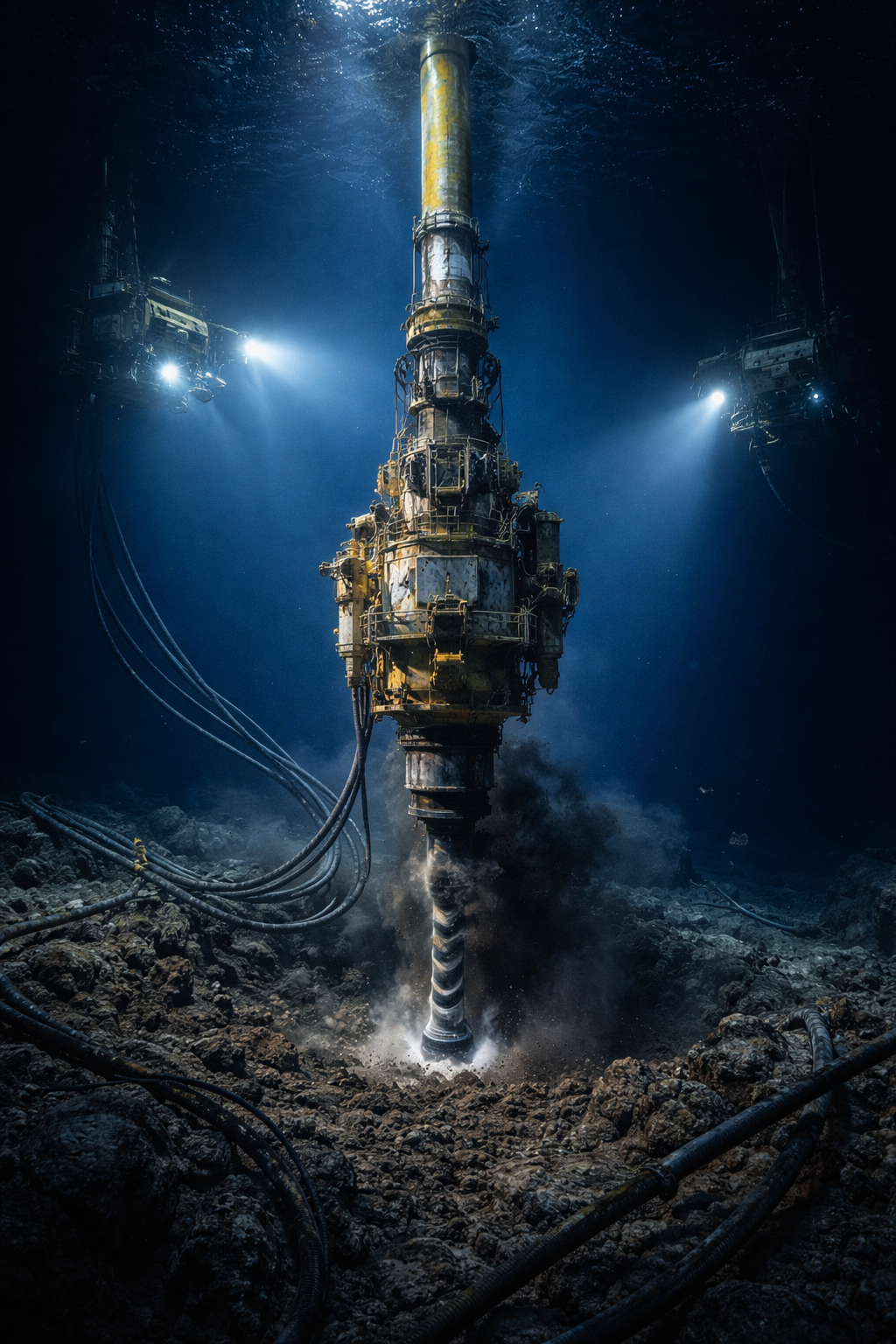
Deep-sea mining involves extracting mineral deposits from the ocean floor, typically at depths exceeding 200 meters. The primary targets include polymetallic nodules, seafloor massive sulfides, and cobalt-rich ferromanganese crusts. These formations contain high concentrations of rare earth metals such as cobalt, nickel, copper, and manganese.
Companies developing deep-sea mining technologies employ remotely operated vehicles and specialized collection systems designed to minimize sediment disruption. The process involves:
Surveying and mapping potential mining sites
Deploying collection equipment to the ocean floor
Extracting mineral-rich materials
Transporting resources to surface vessels
Processing and refining extracted materials
Environmental Impact and Marine Ecosystem Concerns
The environmental impact of deep-sea mining remains a subject of intense scientific study and debate. Marine ecosystems in these regions host unique biodiversity, much of which scientists have yet to fully document or understand.
Key environmental concerns include:
Habitat destruction: Mining operations physically remove or disturb seafloor habitats that may take centuries to recover
Sediment plumes: Extraction activities create clouds of suspended particles that can spread over large areas, affecting filter-feeding organisms and altering water chemistry
Noise pollution: Equipment operations generate sound that may disrupt marine life communication and behavior patterns
Chemical contamination: Mining processes risk releasing toxic materials into the water column
Biodiversity loss: Many deep-sea species exist nowhere else on Earth, and their extinction would be irreversible
Research indicates that marine ecosystems in deep-sea environments function differently from shallow-water systems. Recovery times from disturbance may span decades or longer, making the consequences of mining activities particularly severe.
The Push for Sustainable Extraction Methods
Industry leaders recognize that public acceptance and regulatory approval depend on demonstrating commitment to sustainable extraction practices. Companies are investing in research and development to:
Minimize seafloor footprint through precision targeting
Develop closed-loop systems that reduce sediment dispersion
Implement real-time environmental monitoring
Establish baseline ecological studies before operations begin
Create restoration protocols for affected areas
These efforts aim to prove that accessing ocean floor resources can occur responsibly. Yet critics question whether any level of extraction can truly be sustainable given the fragility of deep-sea environments and our limited understanding of their ecology.
The Case for Stricter Mining Regulations
Environmental advocates, marine scientists, and conservation organizations call for comprehensive mining regulations before commercial operations proceed. Their recommendations include:
Mandatory environmental impact assessments with extended study periods
International oversight and enforcement mechanisms
Protected areas where mining is permanently prohibited
Transparent reporting requirements for all operations
Financial assurance for environmental remediation
Independent scientific review of proposed projects
Several nations have already implemented moratoria on deep-sea mining within their waters. The International Seabed Authority continues developing a regulatory framework for mining in international waters, though progress has been slow and contentious.
Finding the Path Forward
Policymakers face difficult choices as they weigh economic opportunities against environmental protection. The path forward requires:
Continued research: Expanding scientific knowledge of deep-sea environments must remain a priority
Stakeholder engagement: Industry leaders, scientists, environmental groups, and affected communities need meaningful participation in decision-making
Precautionary approach: When environmental consequences remain uncertain, erring on the side of caution protects irreplaceable resources
Alternative solutions: Investing in recycling technologies, material substitution, and circular economy models may reduce pressure on ocean floor resources
Adaptive management: Regulations must evolve as new information emerges about environmental impact
The future of deep-sea mining will depend on our ability to make informed, responsible choices that consider both immediate resource needs and long-term ecosystem health. As this industry develops, maintaining rigorous standards and prioritizing marine preservation will determine whether we can access rare earth metals without compromising the ocean environments that sustain life on our planet.
Your role in shaping this outcome matters. Whether you’re drafting policy, leading industry operations, or advocating for conservation, the decisions made today will affect marine ecosystems for generations to come.
BriTech Group, Inc.
BriTech Group excels in connecting skilled engineers, management, and C-level executives with leading companies at the forefront of cutting-edge technology and innovation. Our expertise bridges the gap between the demand and supply of high-caliber technical personnel, promoting a dynamic environment for growth and advancement. To learn more about our focus on pioneering technology and innovation, check out this article. For more information about our services, visit BriTech Group.