

The Future of Oncology: Cutting-edge Approaches that are Redefining Cancer Treatment
In the ever-evolving landscape of cancer treatment, the intersection of cutting-edge science and innovative technology is transforming oncology as we know it. This revolution is driven by groundbreaking advancements such as immunotherapy, which empowers the body’s immune system to combat cancer cells more effectively. Alongside this, targeted therapies are offering unprecedented precision in attacking malignancies, leading to more personalized and effective treatment plans. These strides in medical research are not just enhancing survival rates but also significantly improving patients’ quality of life. Join us as we delve into these pioneering approaches that are reshaping the future of cancer care, offering hope and new possibilities for patients and healthcare professionals alike.
Revolutionary Immunotherapy Techniques
Immunotherapy has emerged as a groundbreaking approach in cancer treatment, leveraging the body’s own defense mechanisms to combat malignancies. This section explores the innovative techniques that are transforming the landscape of oncology.
Harnessing the Immune System
Immunotherapy works by enhancing the body’s natural defense mechanisms to recognize and attack cancer cells more effectively. This approach has shown remarkable success in treating various types of cancer, offering hope where traditional methods have fallen short.
The principle behind immunotherapy is to stimulate or restore the immune system’s ability to fight cancer. This can be achieved through several methods, including checkpoint inhibitors, which remove the “brakes” on immune cells, allowing them to attack cancer more aggressively.
Another promising approach is the use of cancer vaccines, which train the immune system to recognize specific cancer antigens. These vaccines can be preventive or therapeutic, potentially offering long-term protection against cancer recurrence.
Recent advancements in immunotherapy have also led to the development of adoptive cell therapies, where immune cells are extracted, modified, and reinfused into the patient to enhance their cancer-fighting capabilities.
Advancements in CAR T-Cell Therapy
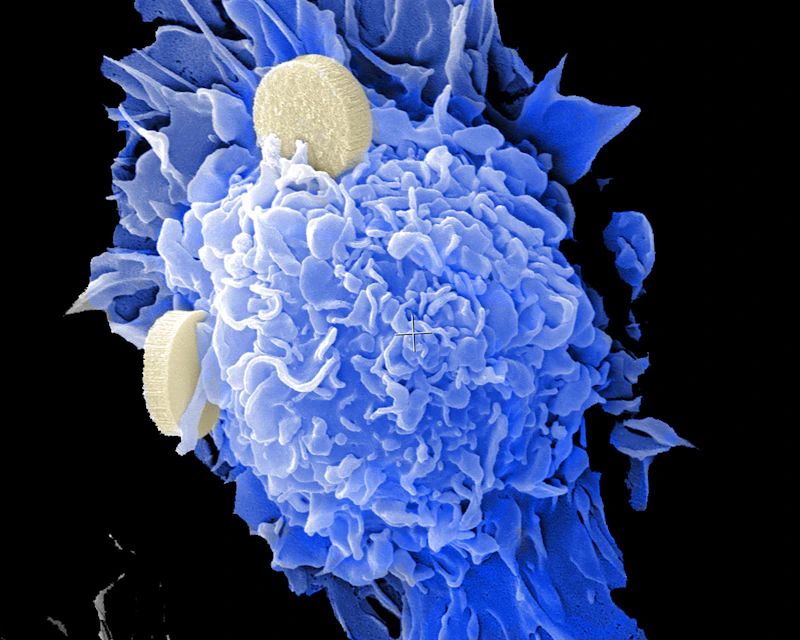
CAR T-cell therapy represents a significant leap forward in personalized cancer treatment. This innovative approach involves modifying a patient’s own T-cells to target and destroy cancer cells more effectively.
The process begins with extracting T-cells from the patient’s blood. These cells are then genetically engineered in a laboratory to produce chimeric antigen receptors (CARs) on their surface, which enable them to recognize and attach to specific proteins on cancer cells.
Once modified, these CAR T-cells are multiplied in the lab and then infused back into the patient. The engineered cells can then identify and attack cancer cells throughout the body, potentially leading to long-lasting remissions in some patients.
Recent studies have shown promising results in treating certain blood cancers, such as leukemia and lymphoma, with ongoing research exploring its potential in solid tumors as well.
Precision Targeted Therapies
Precision targeted therapies represent a paradigm shift in cancer treatment, moving away from the one-size-fits-all approach to more personalized and effective strategies based on the unique genetic profile of each patient’s cancer.
Attacking Cancer with Precision
Targeted therapies focus on specific molecular changes that are unique to cancer cells, allowing for more precise and effective treatment while minimizing damage to healthy cells.
These therapies work by interfering with specific molecules involved in tumor growth and progression. By targeting these key pathways, they can slow or stop the growth of cancer cells, and in some cases, lead to their destruction.
One of the primary advantages of targeted therapies is their ability to differentiate between cancer cells and normal cells, potentially reducing side effects compared to traditional chemotherapy. This precision approach can lead to better outcomes and improved quality of life for patients.
Emerging research is continually identifying new targets and developing innovative drugs to exploit these vulnerabilities in cancer cells, expanding the arsenal of precision therapies available to oncologists.
Personalized Treatment Approaches
Personalized treatment approaches in oncology involve tailoring therapy to the specific genetic and molecular characteristics of an individual patient’s cancer. This strategy aims to maximize treatment efficacy while minimizing unnecessary side effects.
The process typically begins with comprehensive genetic profiling of the tumor, which can reveal specific mutations or biomarkers that may be targetable with existing or experimental therapies. This information allows oncologists to select the most appropriate treatment regimen for each patient.
Personalized approaches also take into account factors such as the patient’s overall health, lifestyle, and preferences, ensuring a holistic treatment plan that addresses both the cancer and the patient’s quality of life.
Advancements in technology, such as liquid biopsies and artificial intelligence-driven data analysis, are further enhancing the ability to personalize cancer treatments, potentially leading to better outcomes and more efficient use of healthcare resources.
Enhancing Patient Survival and Quality of Life
The ultimate goal of these innovative cancer treatments is to improve patient outcomes, both in terms of survival rates and overall quality of life. This section examines the impact of these advancements on patient care and long-term prognosis.
Increasing Survival Rates
The implementation of advanced cancer treatments has led to significant improvements in survival rates across various cancer types. This progress is attributed to earlier detection, more effective therapies, and better management of side effects.
Immunotherapy and targeted therapies have shown particularly promising results in certain cancers that were previously difficult to treat. For example, melanoma, which once had a poor prognosis, has seen dramatic improvements in survival rates with the introduction of checkpoint inhibitors.
Long-term follow-up studies are revealing an increasing number of patients achieving durable remissions and even potential cures in some cases. This trend is especially encouraging in aggressive cancers that historically had limited treatment options.
However, it’s important to note that outcomes can vary widely depending on the type and stage of cancer, as well as individual patient factors. Ongoing research aims to expand the benefits of these treatments to a broader range of cancer types and stages.
Improving Patient Experiences
Beyond extending survival, modern cancer treatments are also focused on enhancing the overall quality of life for patients during and after treatment. This holistic approach considers physical, emotional, and psychological well-being.
Many of the newer therapies, such as targeted treatments and immunotherapies, often have fewer and less severe side effects compared to traditional chemotherapy. This can lead to a better quality of life during treatment, allowing patients to maintain more of their normal activities.
Supportive care has also evolved, with better management of symptoms and side effects. This includes advanced pain management techniques, improved anti-nausea medications, and interventions to combat fatigue and maintain nutrition.
Psychosocial support has become an integral part of cancer care, recognizing the emotional and mental health challenges that come with a cancer diagnosis. Many cancer centers now offer comprehensive support services, including counseling, support groups, and integrative therapies like meditation and yoga.
Survivorship programs are increasingly focusing on long-term care and monitoring, helping patients navigate life after cancer treatment and addressing any lasting effects of their illness or treatment.
BriTech Group stands as a trusted partner in staffing elite talent across a myriad of industries, ensuring the seamless integration of top engineers, scientists, and leaders into transformative roles. At the heart of all groundbreaking advancements are collaborative partnerships and great team dynamics, and BriTech Group is thrilled to be a partner with forward-thinking organizations.
For more information on how BriTech Group can assist in sourcing top-tier technical talent who are shaping the future of innovation, visit our website. Check out our latest Tech Spotlight blog to stay updated on industry trends and insights.