

How AI is Redefining Pharmaceutical R&D in India: A Closer Look at Global Capability Centers
Forget the old image of India as just a support hub in pharma. Today, AI in pharmaceuticals is cutting drug development India timelines and costs like never before. From molecule prediction to clinical trial simulation and regulatory data processing, India’s Global Capability Centers are becoming epicenters of pharma innovation. This shift is rewriting the rules of pharmaceutical R&D on a global scale—and it’s one you need to understand.
AI’s Impact on Drug Development
Drug creation once took 10+ years and billions of dollars. Now, AI is changing this equation by making research faster, cheaper, and more precise.
Leveraging AI for Molecule Prediction
AI algorithms now predict which molecules will work before scientists step into a lab. This cuts years off early research phases.
Machine learning models can screen billions of potential compounds in days—work that once took months or years. A major Indian GCC for a global pharma company reported cutting their molecule screening time by 85% using AI tools built in Hyderabad.
What makes this possible? AI systems learn from past successes and failures. They spot patterns humans miss. For you, this means faster access to new treatments at lower costs.
Studies show Indian teams are now creating custom AI models that match specific disease targets, not just using off-the-shelf solutions.
Clinical Trial Simulation Advancements
Before a single patient joins a trial, AI can now simulate thousands of possible outcomes. This helps you design better studies from day one.
Virtual patient models built by Indian GCCs can predict how different populations might respond to new drugs. One Bangalore-based team created a simulation that correctly predicted 4 out of 5 trial failures before real money was spent.
These simulations work by combining real-world data from past trials with patient genetics and other factors. The result? You can test ideas faster and focus only on the most promising paths.
Indian teams excel at this work because they combine medical expertise with strong data science skills. Many GCCs now run 24/7 simulation farms that test thousands of trial designs overnight.
Regulatory Data Processing Efficiency
Paperwork and compliance once ate up to 40% of R&D time. AI tools built in Indian GCCs now process this mountain of data in minutes.
Natural language processing systems scan thousands of regulatory documents to flag potential issues early. One Mumbai-based team built an AI tool that reduced regulatory review time from weeks to hours, giving researchers more time for actual science.
For you, this means fewer delays between discovery and approval. AI doesn’t just speed up form-filling—it helps spot potential regulatory problems before they happen.
The best part? These systems get smarter over time. Each submission teaches the AI what works and what doesn’t, making the next round even faster.
India GCCs as Innovation Hubs
What started as cost-saving centers have grown into powerhouses of original research and development.
Transition from Support to Innovation
Indian GCCs have evolved from basic support to driving core research. This shift happened faster than anyone predicted.
Just five years ago, most Indian pharma GCCs handled routine tasks like data entry and basic analysis. Today, these same centers lead complex AI projects that shape global drug pipelines. According to EY, 72% of global pharma companies now run advanced R&D operations from their Indian centers.
Why this rapid change? Indian GCCs offer a unique mix of scientific talent, data expertise, and cost advantages. Teams in Hyderabad and Bangalore work on the same cutting-edge tools as their counterparts in Boston or Basel—often with faster results.
For pharma companies, this shift means access to innovation without the price tag of Western research hubs.
Global Influence of India GCCs AI
The impact of Indian AI research now reaches far beyond local markets, shaping global pharma strategy.
When a major cancer drug received fast-track approval last year, few knew its molecule was first identified by an AI system developed in Pune. Indian GCCs now create tools and models used by research teams worldwide. The flow of innovation has reversed—with ideas moving from India outward.
This global impact comes from scale and specialization. Indian centers often focus on specific AI applications like genomic analysis or chemical property prediction, becoming world leaders in narrow but critical fields.
For the industry as a whole, this distributed innovation model speeds up progress. Research shows that pharma companies with advanced Indian GCCs bring drugs to market up to 30% faster than competitors without this capability.
Case Studies of Pharma Innovation
Real-world examples show how Indian GCCs are changing drug development from the ground up.
A Hyderabad-based team for a top-five pharma company built an AI system that predicted drug-drug interactions with 93% accuracy—better than human experts. This tool now screens all new compounds globally, preventing costly late-stage failures.
In another case, a Bangalore GCC created a patient matching algorithm that filled clinical trials 60% faster than traditional methods. The system matched patient profiles to trial requirements, focusing recruitment efforts where they would work best.
Perhaps most impressive, a Mumbai team developed an AI tool that mines scientific literature to spot promising research others missed. This system has already identified three compounds now in early-stage trials.
These aren’t isolated successes. Across India, GCCs are creating tools that work better, faster, and cheaper than previous methods.
Future of Pharmaceutical R&D
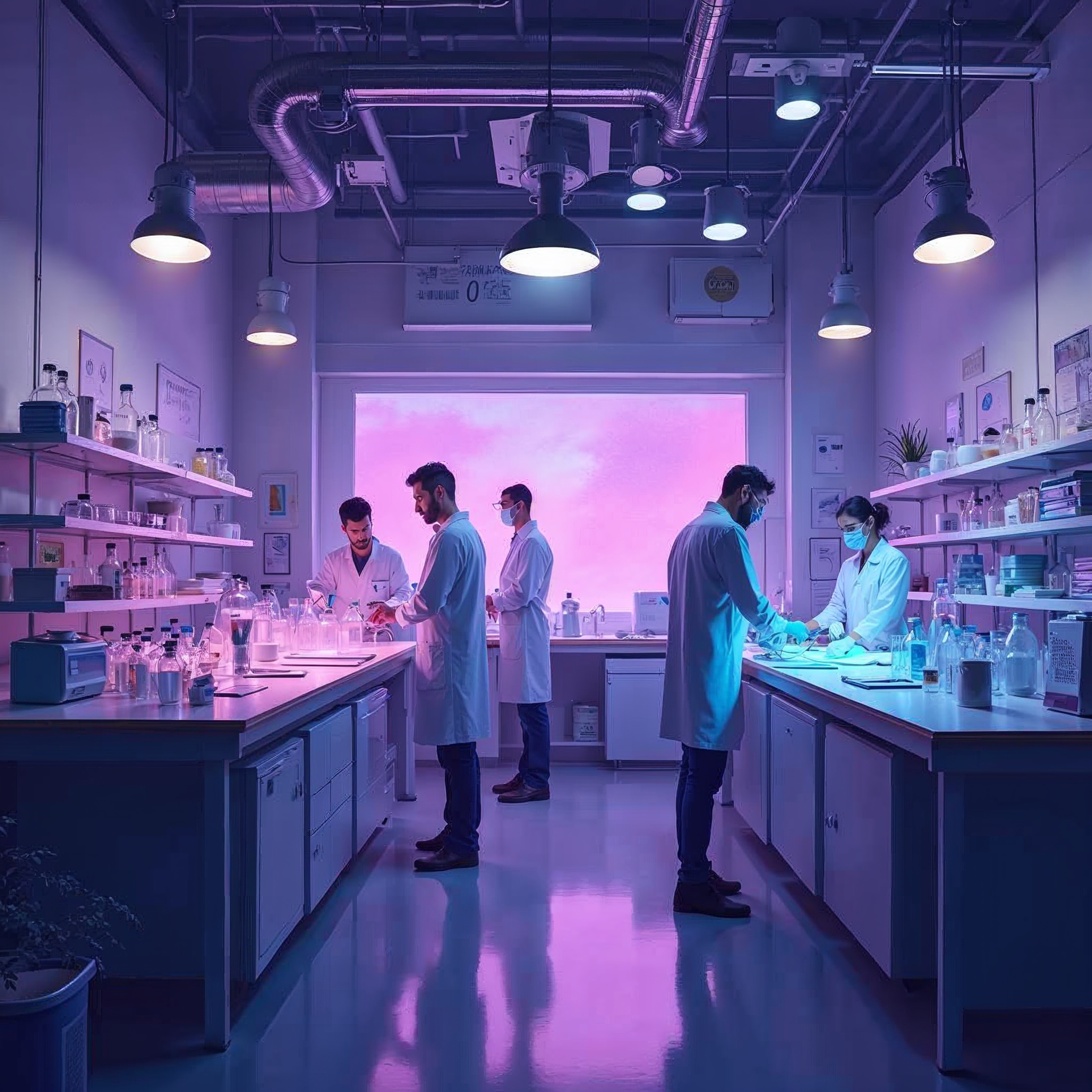
The changes we’ve seen so far are just the beginning of a complete reinvention of how drugs are discovered and developed.
Challenges and Opportunities
Despite progress, significant hurdles remain before AI can reach its full potential in pharma.
Data quality issues still plague many AI projects. Models trained on flawed or biased data make mistakes that can cost millions. Indian GCCs are tackling this by creating specialized data cleaning pipelines that prepare information for AI use.
Regulatory frameworks also lag behind technical capabilities. Many AI tools face long approval processes before they can be used in actual drug development. This creates a gap between what’s possible and what’s permitted.
For you, these challenges mean balancing excitement about AI with practical realities. The most successful companies work within regulatory boundaries while pushing them forward.
The opportunity lies in solving these problems first. Teams that master clean data and regulatory compliance will lead the next wave of innovation.
Role of AI in Drug Discovery
AI isn’t just making current methods faster—it’s creating entirely new ways to find treatments.
The most exciting work happens when AI suggests molecules humans would never imagine. One Indian GCC reported that 35% of their AI-suggested compounds had structures chemists considered “non-intuitive” but proved effective.
These systems work differently than human researchers. While people follow logical paths based on known science, AI can spot patterns across thousands of experiments with no obvious connection.
For drug discovery teams, this means AI becomes a creative partner, not just a faster calculator. The best results come when human expertise guides AI exploration.
LinkedIn data shows that pharma companies are now hiring more data scientists than chemists in many Indian centers—a clear sign of where the field is heading.
The Road Ahead for India and Beyond
The next five years will bring even deeper integration of AI across all aspects of pharmaceutical R&D.
Look for Indian GCCs to move beyond supporting roles to leading global drug programs from concept to market. Several companies have already announced plans to run complete drug development programs from their Indian centers.
The skills gap will become critical. As demand for AI expertise in pharma grows, companies are creating specialized training programs. One major GCC in Hyderabad now runs its own “AI Academy” that trains 200 scientists yearly.
For global pharma, the question is no longer whether to use Indian GCCs for AI work, but how to maximize their impact. Companies that treat these centers as true innovation hubs—not just cost-saving measures—will gain the biggest advantage.
The most forward-thinking firms are already creating joint teams across locations, where ideas flow freely between global research centers. This model combines the best of all worlds: Indian AI expertise, Western clinical experience, and global market knowledge.
BriTech Group, Inc.
BriTech Group is instrumental in connecting skilled engineers with top companies leading advancements in cutting-edge technology and innovation. We specialize in both contract and direct hire positions, bridging the gap between the demand for and supply of skilled technical personnel. This dual expertise fosters a dynamic environment for growth and innovation. To learn more about our highlights on pioneering technology and innovation, check out this article. For additional details about our services, visit Britech Group